

Rowing machine vs running at a glance
Similar energy at a hard effort; running builds running, rowing spares the joints.
From the Compendium of Physical Activities, Harvard Health and a review of running injuries.

Short answer
In the rowing machine vs running choice, run if you want running fitness, races and free training outdoors. Row if you want hard, full-body cardio with no landing impact at home, or a way to keep your fitness while a running injury heals.
Key takeaways
- A steady run and a hard row use similar energy per minute.
- Running builds running fitness and loads the bones; rowing spares the joints.
- Rowing is a strong cross-training and injury-break option for runners.
- Swap by time and heart rate, not distance.
If you are choosing between a treadmill and a rower for home, see our rowing machine vs treadmill comparison.
Rowing Machine vs Running at a Glance
The table compares rowing on a machine with running as most people do it: outdoors, on roads or trails.
| Criterion | Rowing machine | Running |
|---|---|---|
| Energy (Compendium) | 7.5 METs at 100 to 149 W, 11.0 at 150 to 199 W | 8.5 METs at 5 mph, 9.3 at 6 mph |
| Calories, 30 min at 185 lb (Harvard Health) | About 294 moderate, 440 vigorous | About 336 at 5 mph, 420 at 6 mph |
| Muscles | Legs, glutes, back, core, arms | Legs, hips and calves |
| Impact | None: seated, no landing | A landing with every stride |
| Injury pattern | Mostly low back, from poor form or fatigue | Knees, shins, feet and Achilles, mostly from doing too much too soon |
| Bones | Not weight-bearing | Weight-bearing |
| Cost and setup | A machine and 62 to 96 in of floor | Shoes and a route |
| Weather | Any | Outdoors, unless you use a treadmill |
Check Amazon for current pricing and availability.
Calories and Fitness
The Compendium of Physical Activities gives the energy cost of each activity in METs. Running at 5 mph rates 8.5 and at 6 mph 9.3; rowing rates 7.5 at 100 to 149 watts and 11.0 at 150 to 199 watts. Per 30 minutes at 185 lb, Harvard Health estimates about 336 calories running at 5 mph, 420 at 6 mph, 294 for moderate rowing and 440 for vigorous rowing. A steady run and a hard row land in the same range.
Both build the same engine, the heart and lungs. Running fitness, though, is specific: running form, leg stiffness and the ability to absorb landings only come from running. Rowing adds what running lacks, the upper back, core and arms, and lets you train hard on days when your legs need a break from impact.
Pro tip: To swap a run for a row, match the time and heart rate, not the distance. Our heart rate zone calculator gives you zones to hold on both.
Injuries and Impact
Running is simple but hard on the body when you start. A 2015 review of 13 studies found about 17.8 running injuries per 1,000 hours in new runners and 7.7 in recreational runners. Knees, shins and feet are the usual trouble spots, and building mileage slowly is the main defense.
Rowing has no landing, so the legs, feet and shins carry no impact. Its weak point is the low back, mostly from rounding at the catch or rowing on after the form fades. Learn the legs, body, arms order at a slow pace, and see our rowing machine for back pain guide if your back is sensitive.
Watch out: If you are injured, ask your doctor or a physical therapist whether rowing fits your recovery before you swap your runs for it.
Rowing as Cross-Training for Runners
Many runners use a rower on easy or recovery days and while an injury heals. It keeps the aerobic base without the pounding, and the pulling motion balances a sport that never trains the upper back. Coaches tend to give the same advice: row by time and heart rate, keep most sessions easy, and replace a run rather than adding a hard row on top of a full running week.
- Easy day: 20 to 40 minutes at a conversational effort in place of an easy run.
- Intervals: short, hard pieces with equal rest, as you would on a track; our rowing machine workouts include sessions you can use.
- Injury break: match your usual weekly minutes at an easy effort, if your clinician agrees.
- Strength: the leg drive works the glutes and hamstrings that runners need.
Cost, Weather and Convenience
Running wins on cost and simplicity: shoes, a route and nothing to store. It also gets you outside, which many people enjoy most. A rower costs money and floor space, measuring 62 to 96 inches in the rowers we rank, though most fold, stand upright or split in two.
The rower wins on control. It works in heat, cold, rain and darkness, takes 20 minutes with no commute to a route, and a magnetic model stays quiet enough for an apartment. If you want running indoors instead, a treadmill is the other option; our rowing machine vs treadmill comparison covers that choice.
Rowing Machine Examples for Home Use
If rowing wins your comparison, these three examples cover the most common home situations. Each FitScore is the score the rower earns in the guide named in its card.
For runners who train by numbers

Concept2 RowErg
FitScore 83.4/100
FitScore 83.4 in our best rowing machine guide, where it ranks 1st. An air rower with a PM5 monitor that shows the 500 m split, watts and heart rate, so you can pace intervals like track repeats. It has a 500 lb limit and a 5-year frame warranty, and it is 96 inches long.
Ranked in our Best Rowing Machine guide
Check Price on AmazonEasy start pick

Merach Q1S
FitScore 77.5/100
FitScore 77.5 in our best rowing machine for beginners guide, where it ranks 5th. A magnetic rower with 16 levels, a 350 lb limit and users up to 6 ft 5 in. It stands upright on a 25.2 x 19.2-inch base and weighs 42 lb.
Ranked in our Best Rowing Machine for Beginners guide
Check Price on AmazonQuiet apartment pick

Sunny Health & Fitness SF-RW523021
FitScore 79.1/100
FitScore 79.1 in our best magnetic rowing machine guide, where it ranks 1st. A magnetic rower with 16 levels, a 50-inch rail and a monitor that shows the 500 m split and stroke rate. It stands upright to store.
Ranked in our Best Magnetic Rowing Machine guide
Check Price on AmazonWhich Should You Choose?
Match the choice to your goal and your body. These profiles cover most people.
- You want to race or get better at running: run. Add a rower for easy days if you like.
- Running keeps hurting your knees, shins or feet: a rowing machine, if forward bending is comfortable for your back.
- You want full-body cardio in one session: a rower.
- You want the cheapest, simplest start: running or brisk walking.
- You train in harsh weather or after dark: a rower at home.
- You want the best of both: run most days and row on the others.
Checklist Before You Choose
5 checks
Tap a number to check off that step.
- 01
Decide whether running performance is your goal.
- 02
Check how your knees, shins and feet handle impact.
- 03
Check how your back feels in a seated forward lean.
- 04
Measure the floor if you plan to row at home.
- 05
Plan how rowing fits your weekly minutes, not on top of them.
Common Mistakes to Avoid
Mistake 1Matching a row to a run by distance instead of time.
Mistake 2Adding hard rows on top of a full running week.
Mistake 3Ramping up running mileage too fast.
Mistake 4Pulling with the arms first on a rower.
Mistake 5Comparing console calories with a running watch.
The Bottom Line
- A review of 13 studies counted about 17.8 running injuries per 1,000 hours in new runners and 7.7 in recreational runners.
- The Compendium of Physical Activities rates running at 5 mph at 8.5 METs and rowing at 100 to 149 watts at 7.5 METs.
- Harvard Health puts 30 minutes of vigorous rowing near 440 calories at 185 lb, and running at 6 mph near 420.
- Rowing has no landing and works the back and arms; running loads the legs and bones with every stride.
- Running needs only shoes; a rower costs money and floor space but works in any weather.
Our Top Picks
 For runners who train by numbersConcept2 RowErgFitScore83.4/100Check on Amazon
- Easy start pickMerach Q1SFitScore77.5/100Check on Amazon
- Quiet apartment pickSunny Health & Fitness SF-RW523021FitScore79.1/100Check on Amazon
Frequently Asked Questions
Neither is better for everyone. Running is free and builds running fitness; rowing works the whole body with no landing impact. Many people do both.
At similar effort they are close. Harvard Health lists about 440 calories for 30 minutes of vigorous rowing and 420 for running at 6 mph, at 185 lb.
For heart and lung fitness, largely yes. For running races, no: running form and impact tolerance only come from running.
Yes. It keeps the aerobic base on easy days or during an injury break, and it trains the upper back and core that running ignores.
About the same time at the same heart rate. A 30-minute easy run becomes a 30-minute easy row.
Yes for impact, since rowing has no landing. The knees still bend deeply at the catch, so start light if they are sore.
Explore More Rowing Machine Guides
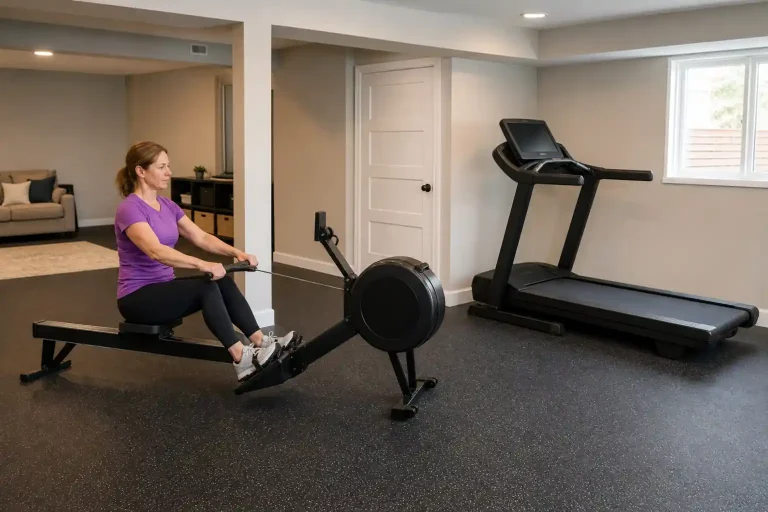
Rowing Machine vs Treadmill (2026): Which Is Better for Your Home?
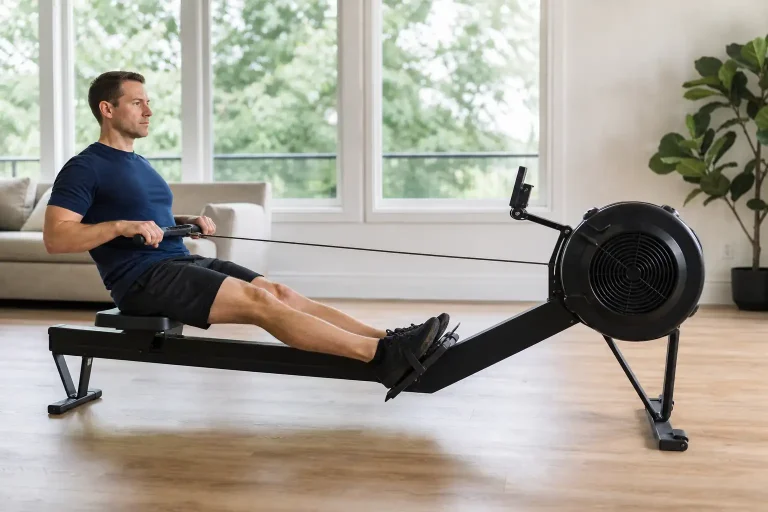
Best Rowing Machine (2026): 5 Top Picks for Home, Ranked
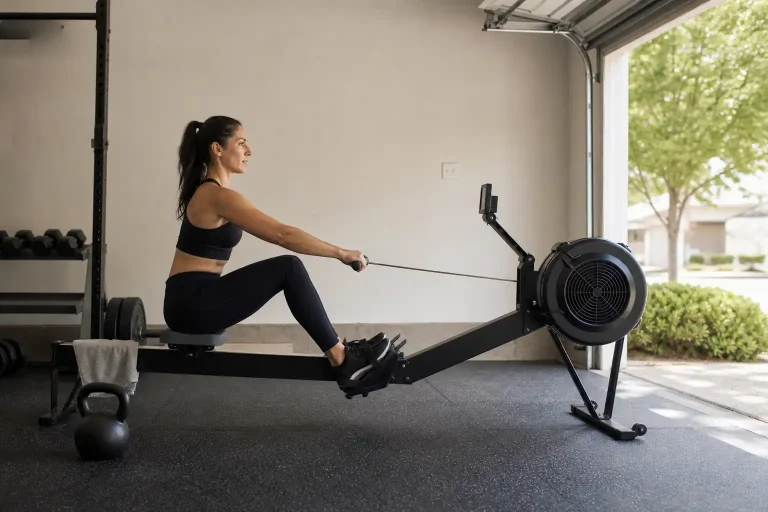
Rowing Machine Workout Library (2026): Steady, HIIT, Pyramid and 15 to 30-Minute Sessions
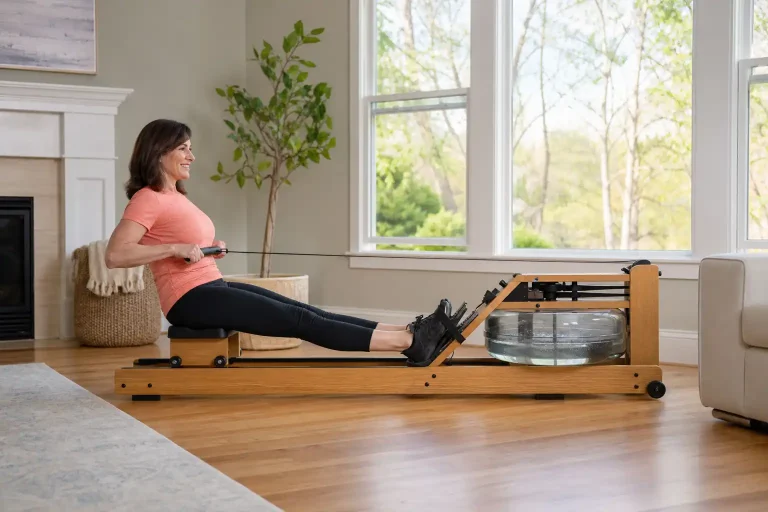
Benefits of a Rowing Machine: 9 Reasons to Row, and the Limits (2026)
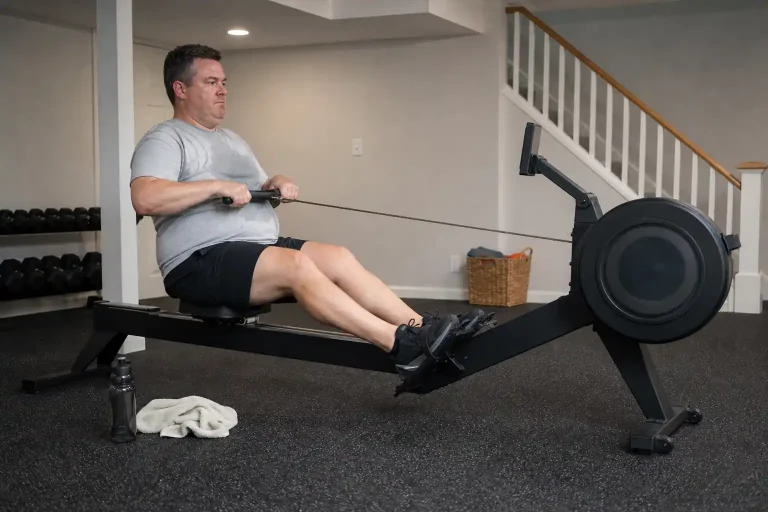
Rowing Machine for Weight Loss: How Much to Row and What to Expect (2026)
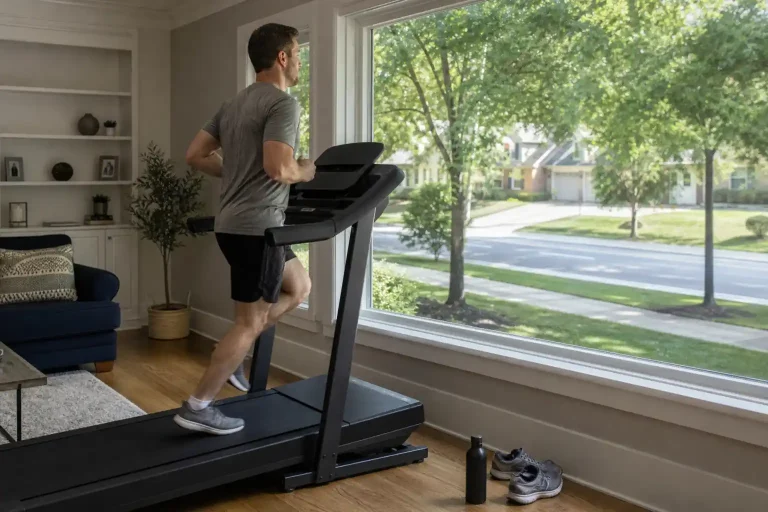
Treadmill vs Running Outside (2026): Pace, 1% Incline, Joints and Weather
This article contains affiliate links. If you click through and make a purchase, we may earn a small commission at no extra cost to you. As an Amazon Associate, we earn from qualifying purchases. We do not show prices because they change constantly: product details and availability can change at any time, so please check the current price and details directly on Amazon. Learn more. Amazon and the Amazon logo are trademarks of Amazon.com, Inc. or its affiliates.
