
Best Treadmills in 2026
Buying a treadmill shouldn’t require comparing hundreds of models across dozens of brands.
FitGearHQ organizes the best treadmills by home environment, budget, user needs, activity, and features. Use the categories below to find the guide that matches your available space, training goals, and price range.
Not sure where to begin? Start with our Best Treadmill for Home guide, which compares the strongest options for most home users.
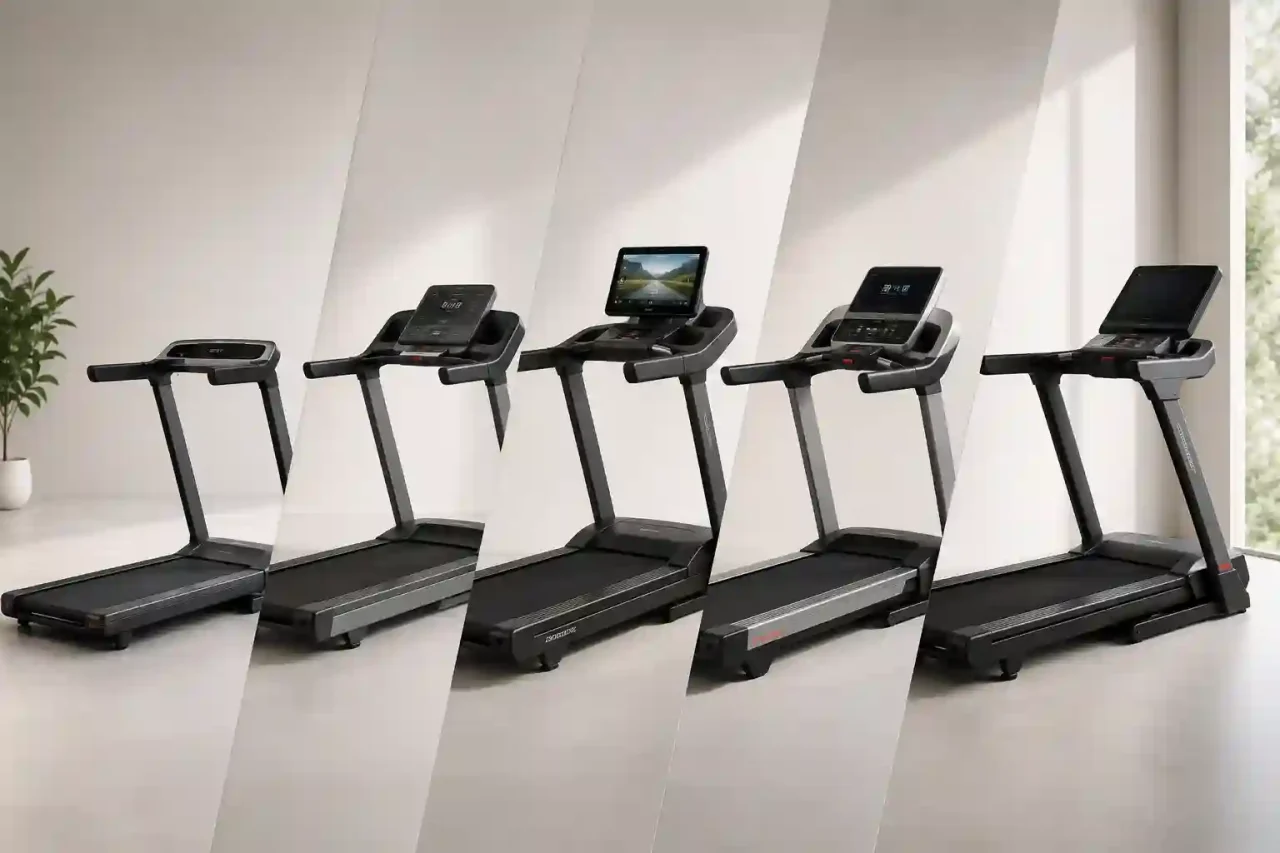
Quick Access
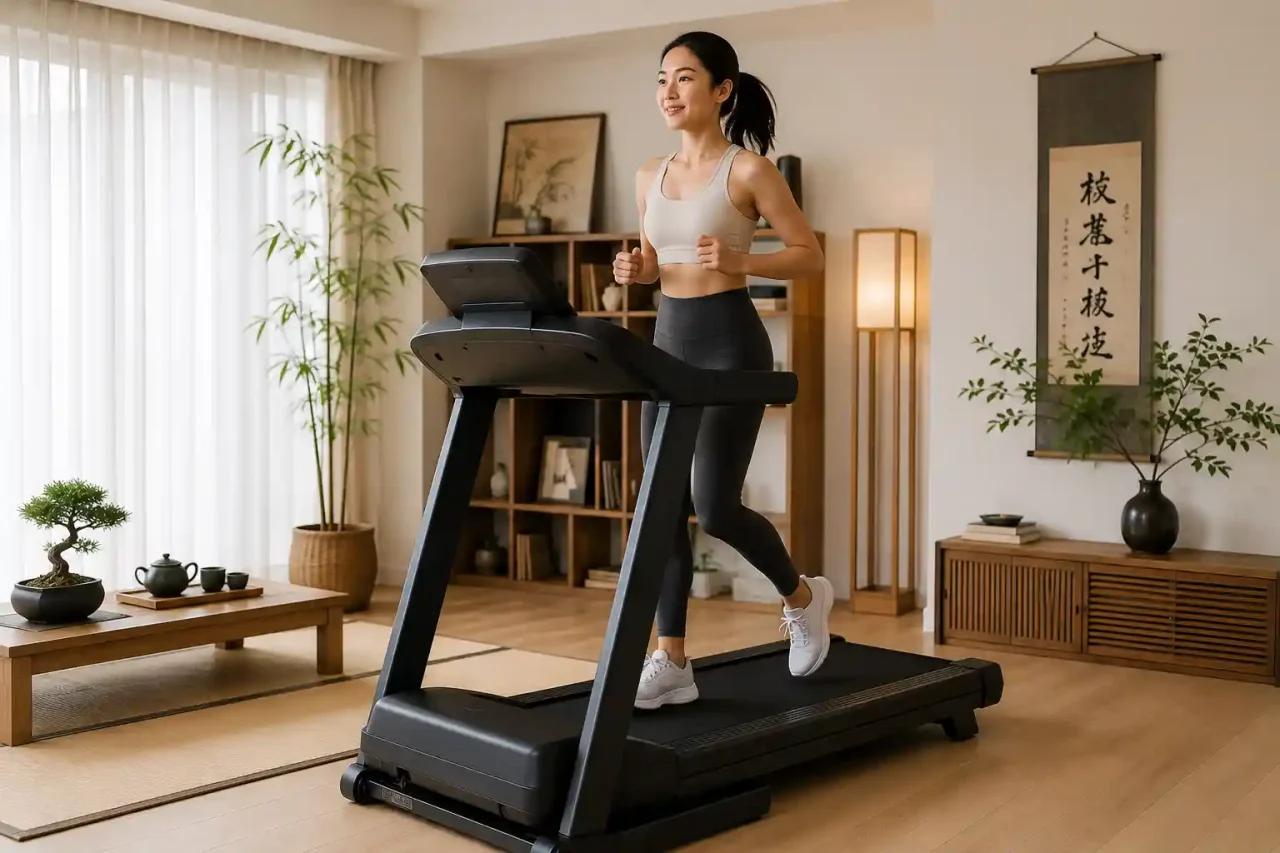
Best Treadmill For Home
Your starting point if you’re not sure where to begin. Our overall guide compares the best treadmills for most home users.
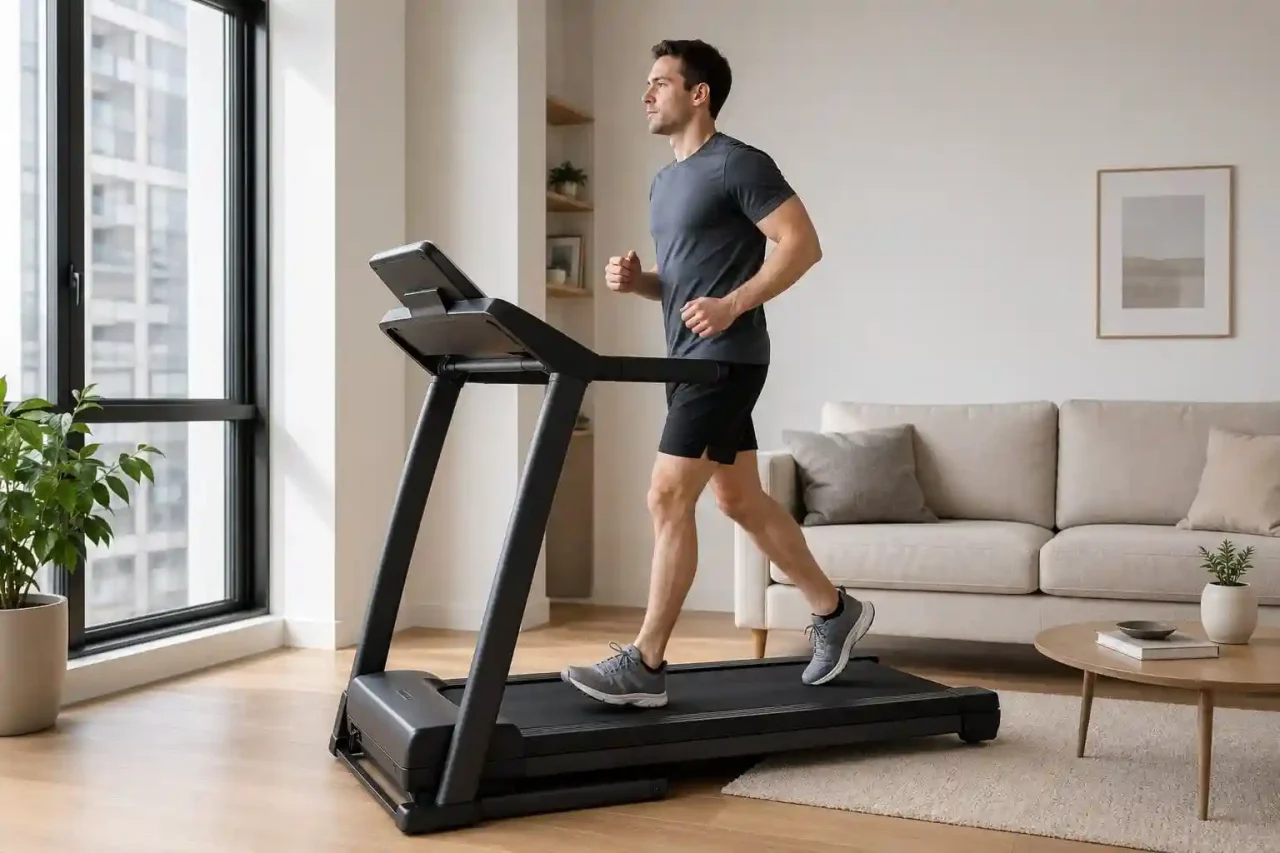
Best Treadmill For Apartment
Compact treadmills designed for apartments and shared living environments.
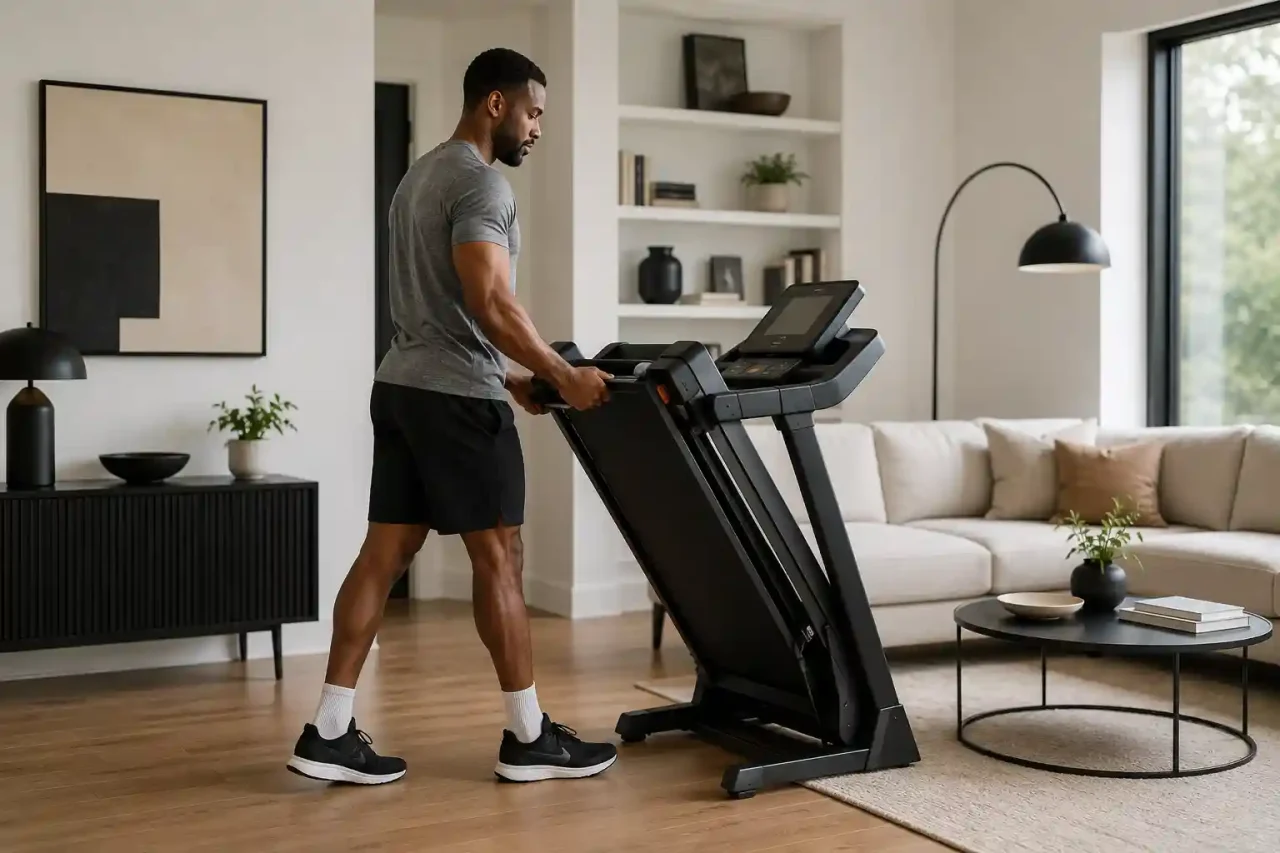
Best Folding Treadmill
Space-saving treadmills that can be folded when not in use.
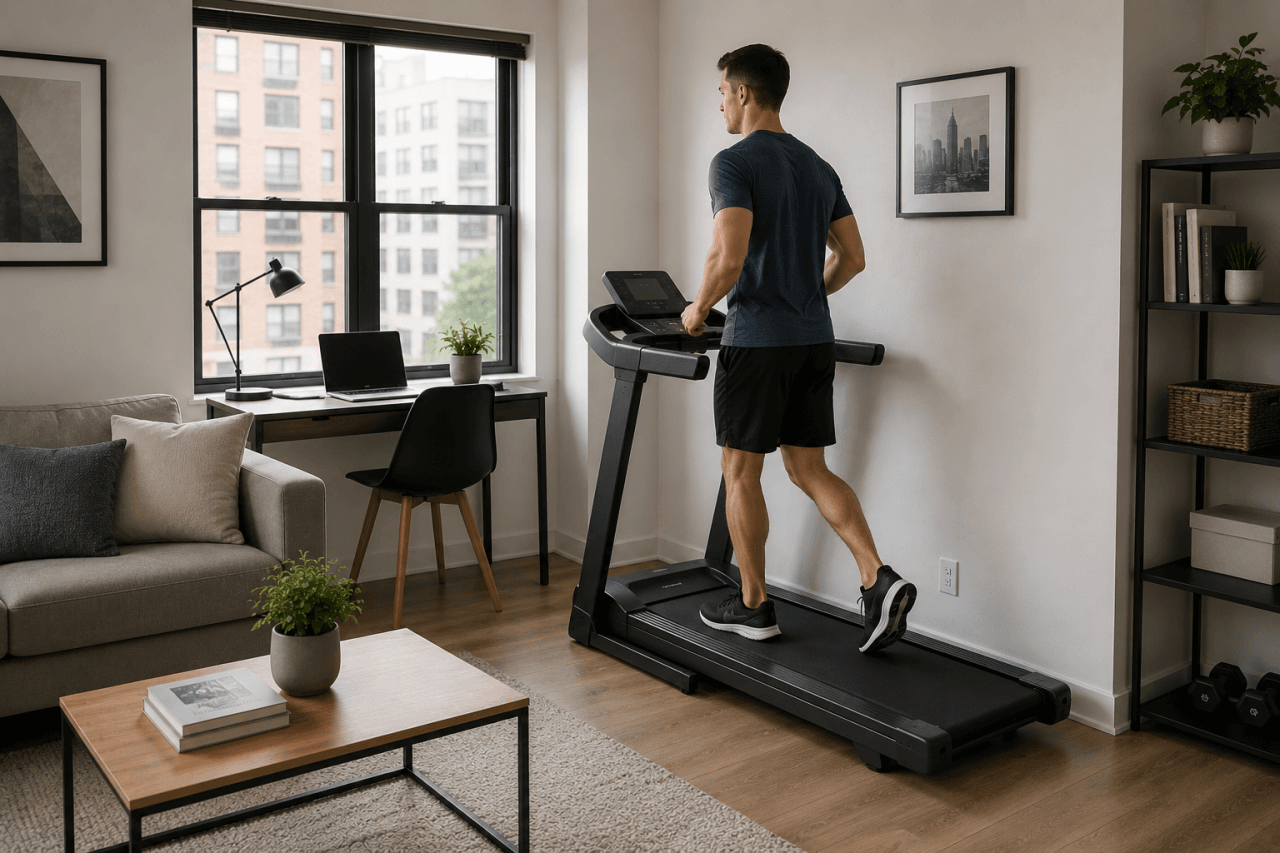
Best Treadmill For Small Spaces
Models specifically chosen for limited floor space.
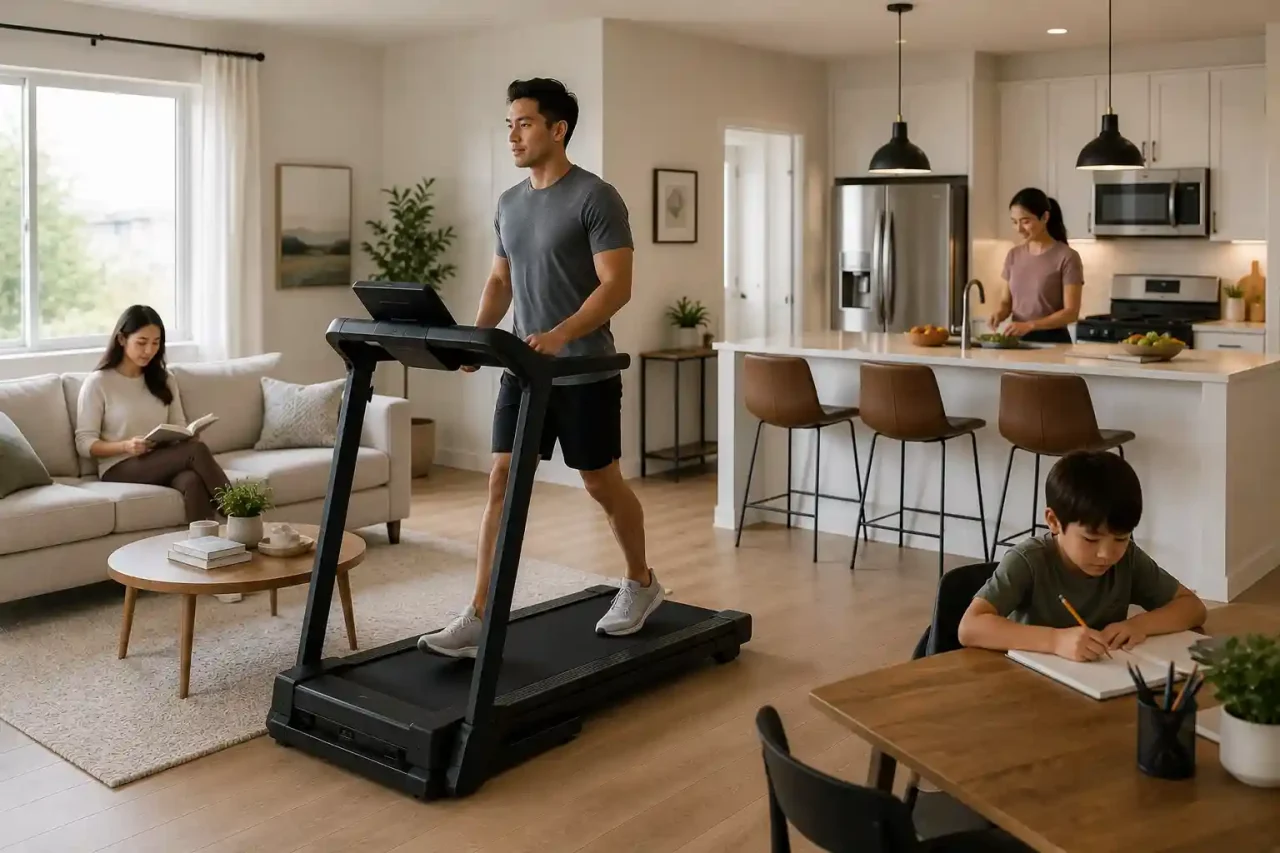
Best Treadmill For Shared Spaces
Treadmills selected for shared homes where space efficiency and practicality matter most.
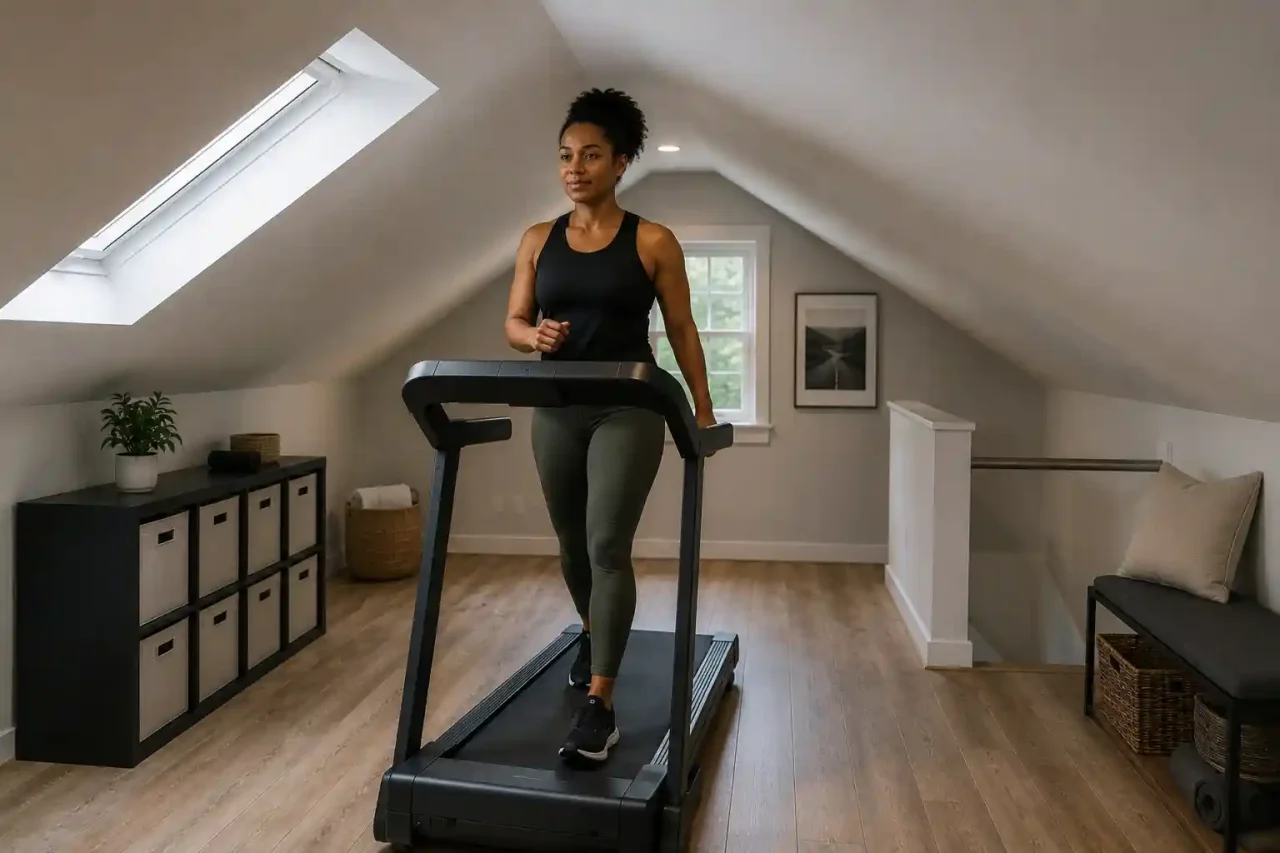
Best Treadmill For Low Ceilings
Treadmills selected for rooms where headroom is limited.
Best Budget Treadmill
Our main guide to affordable treadmills across different price ranges.
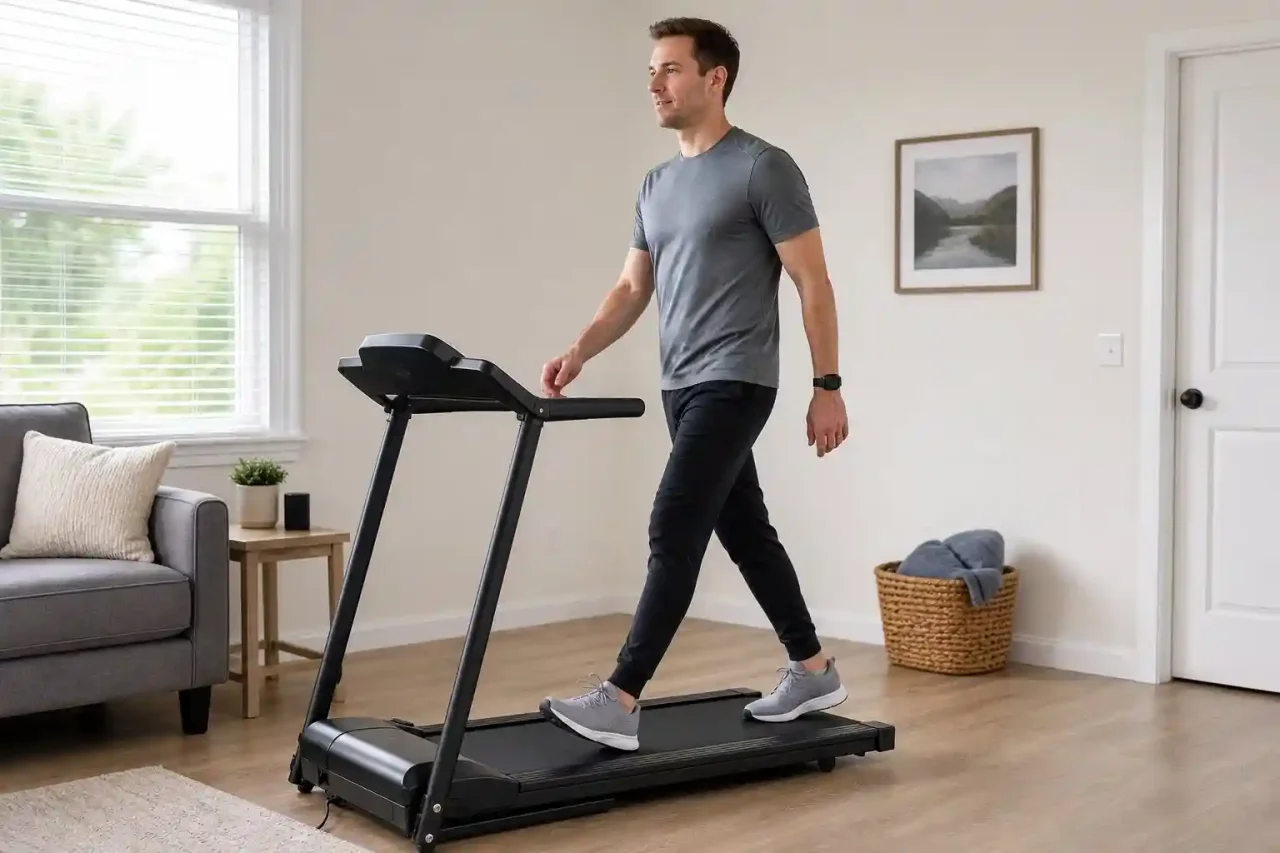
Best Treadmill Under $500
Entry-level treadmills for walking, light jogging, and smaller spaces.
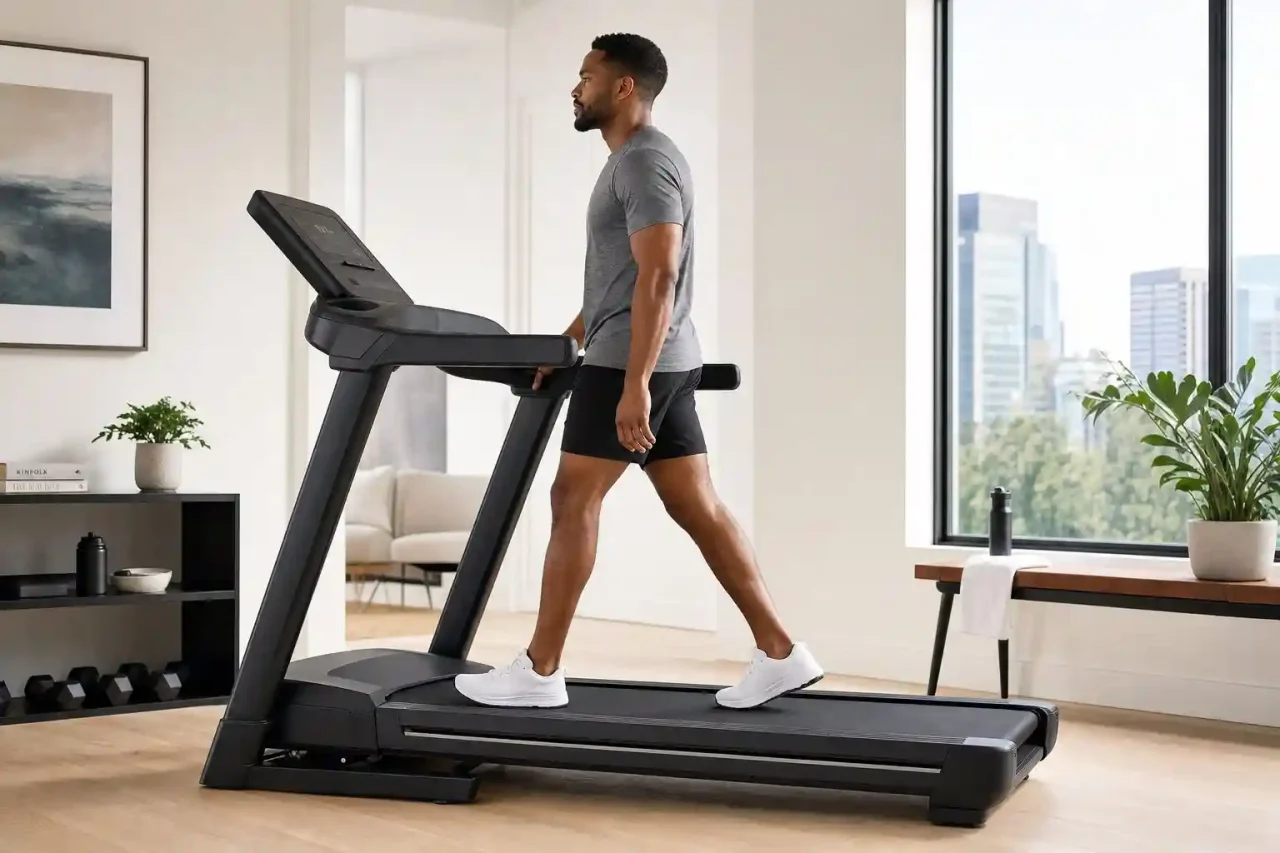
Best Treadmill Under $1000
The sweet spot for most buyers seeking performance and value.
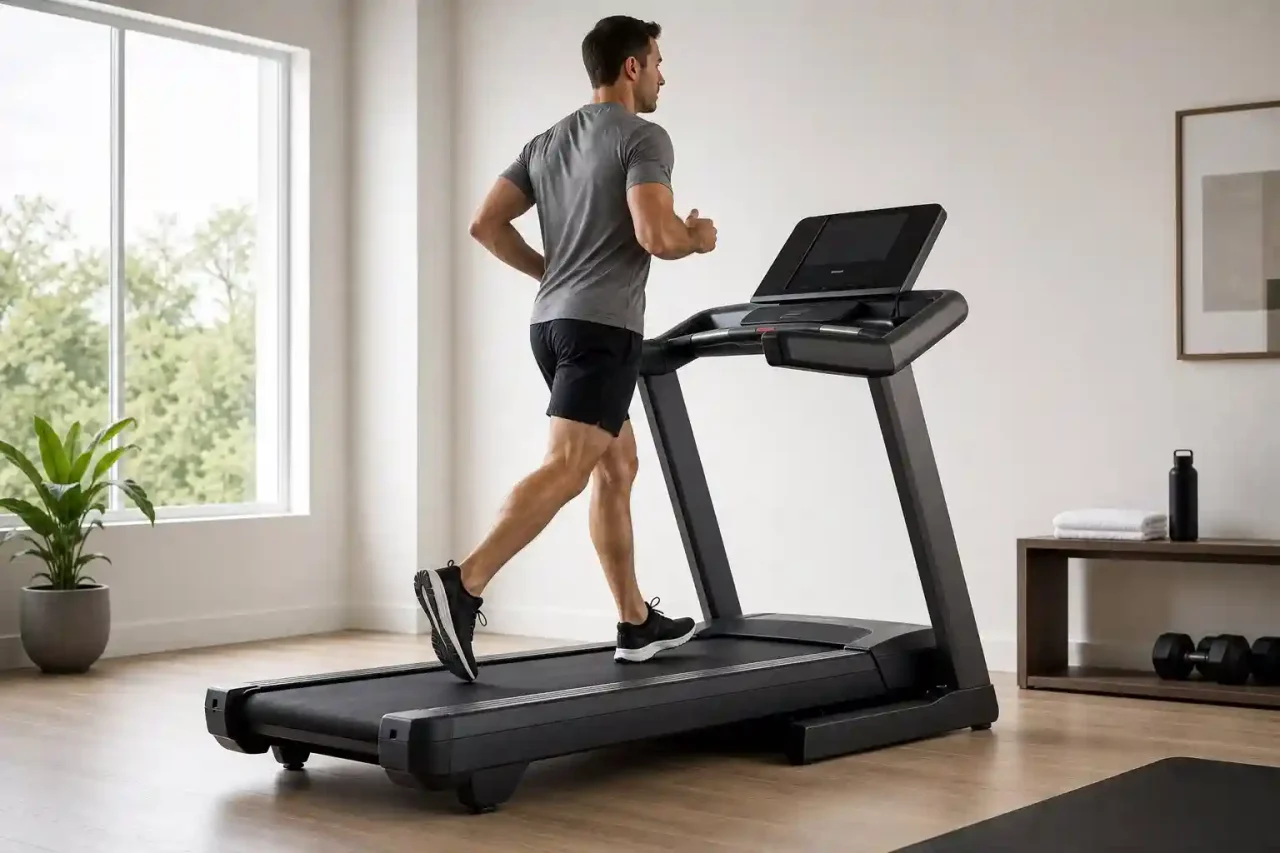
Best Treadmill Under $1500
Stronger motors, larger running surfaces, and more advanced features.
Best Treadmill Under $2000
Premium home treadmills without commercial-level pricing.
Best Premium Treadmill
Treadmills selected for maximum performance, comfort, and advanced features.
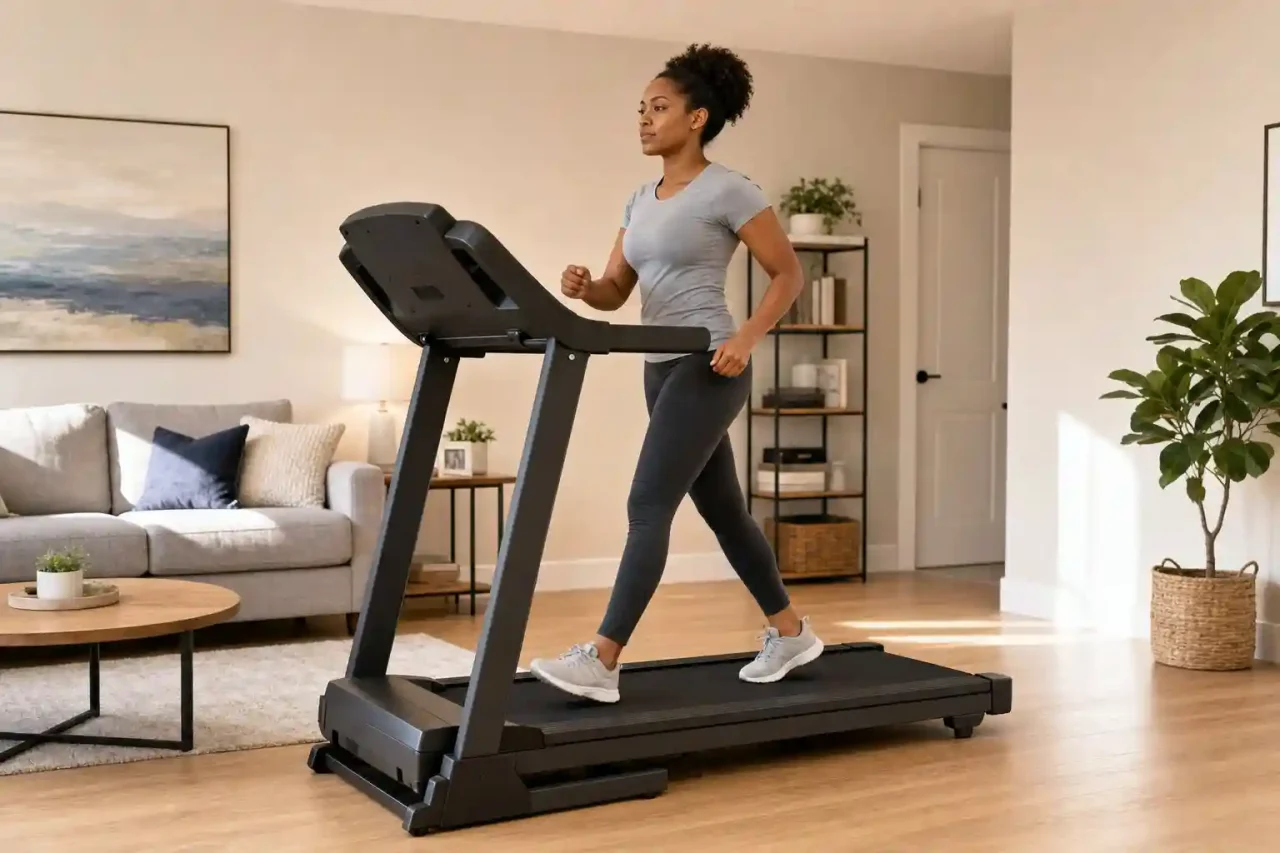
Best Cheap Treadmill
Affordable treadmills can still deliver reliable home workouts.
Best Value Treadmill
The best value treadmills balance performance, durability, and price.
Best Treadmill For Beginners
Simple, approachable treadmills designed for new users.
Best Treadmill For Heavy People
Heavy-duty treadmills provide safer, sturdier workouts for larger users.
Best Treadmill For Heavy Runners
Heavy runners need stable treadmills built for repeated impact.
Best Treadmill For Bad Knees
Cushioned treadmills selected for lower-impact, more comfortable workouts.
Best Treadmill For Seniors
Seniors need safe, accessible treadmills with stable support.
Best Treadmill For Tall Runners
Tall runners need spacious treadmills with long running decks.
Best Treadmill For Pregnant Women
Stable treadmills selected for comfortable, controlled walking during pregnancy.
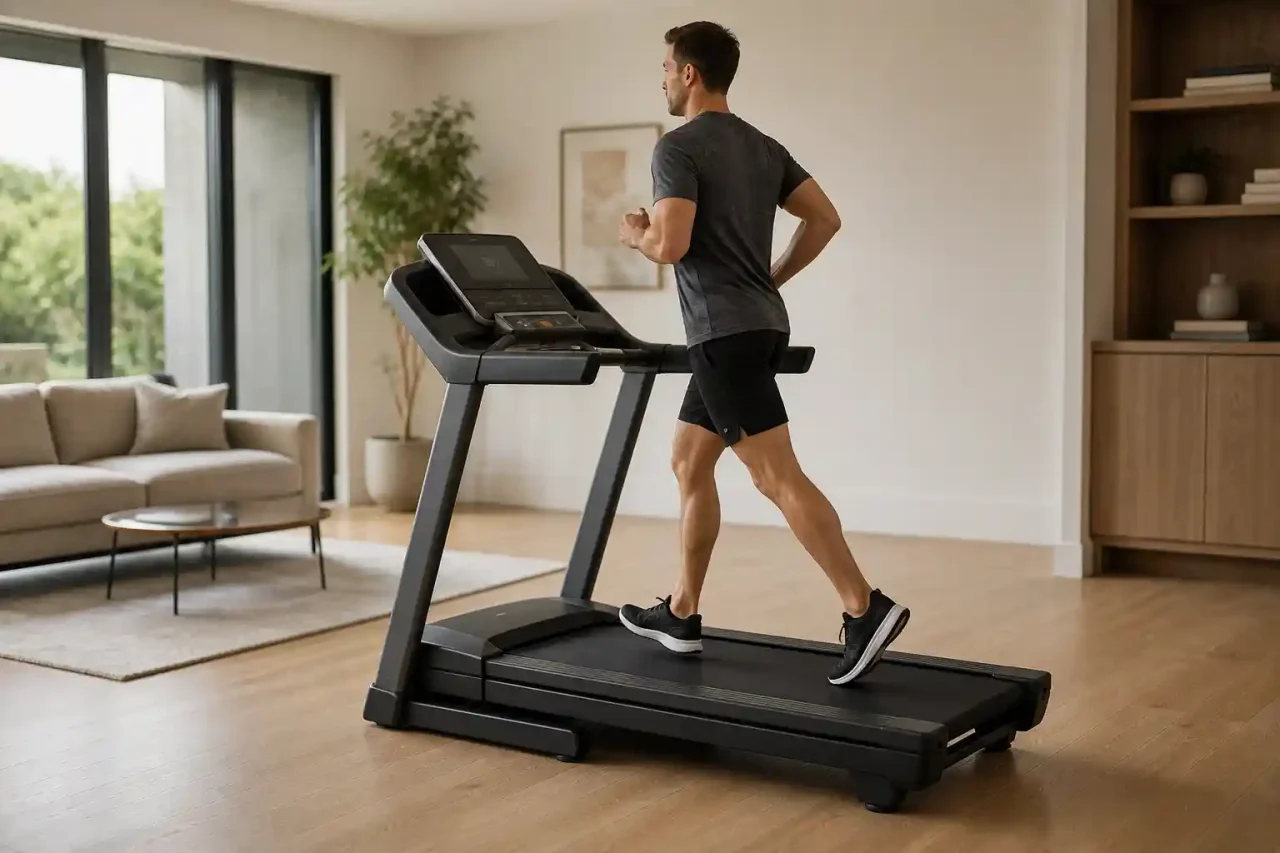
Best Treadmill For Running
Runners need durable treadmills for speed, stability, and mileage.
Best Under-Desk Treadmill For Working
Under-desk treadmills keep you moving throughout the workday.
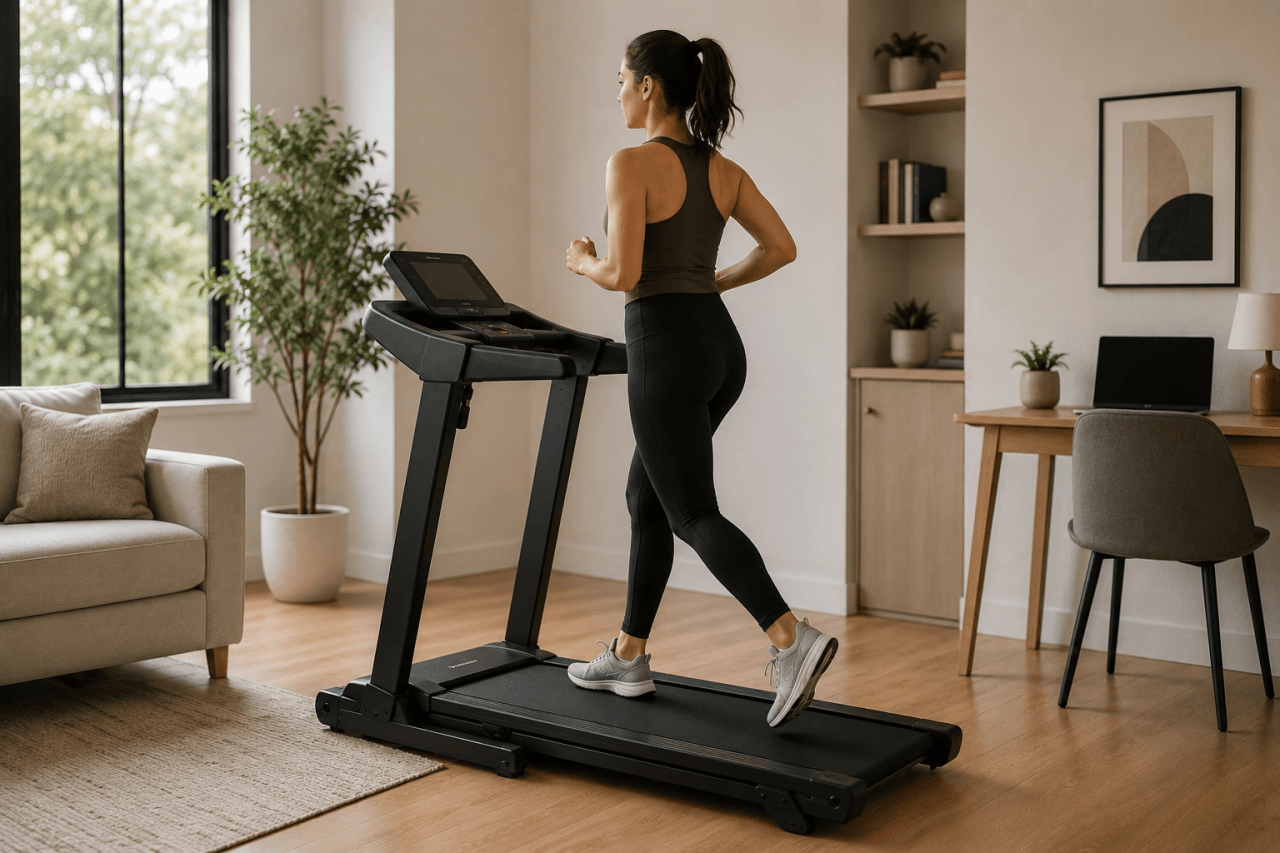
Best Treadmill For Marathon
Marathon runners need durable treadmills built for long-distance training.
More Use-Case Guides
Best Treadmill With Incline
Incline treadmills add intensity for walking, cardio, and hill training.
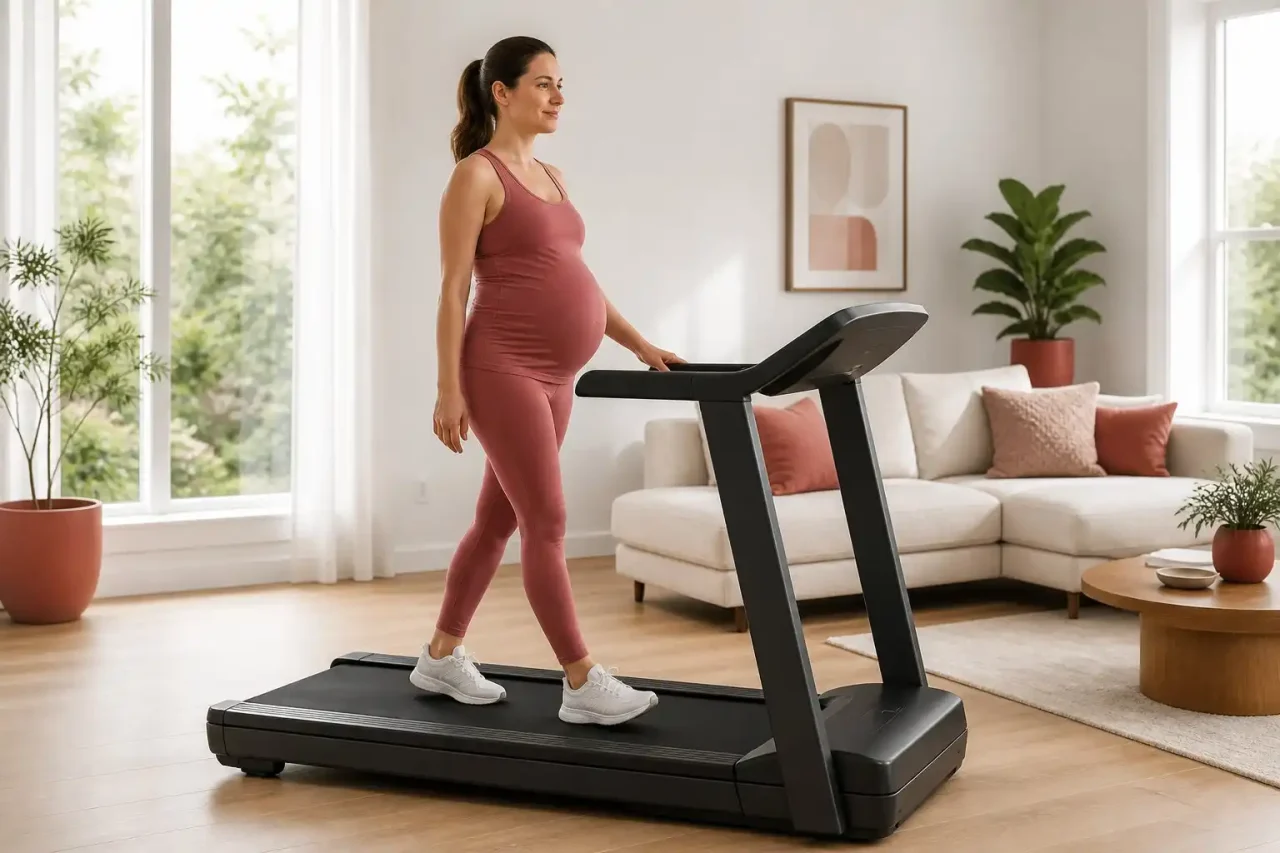
Best Treadmill With Cushioning
Treadmills with cushioning reduce impact and improve workout comfort.
Best Treadmill With Screen
Screen-equipped treadmills provide guided workouts and interactive training features.
How to Choose the Best Treadmill
Choosing the best treadmill starts with matching the machine to your real training needs, available space, body weight, and budget. A treadmill that looks impressive on paper is not always the best option for home use. The right choice depends on whether you mainly walk, jog, run, train daily, share the machine with other users, or need to store it after each workout.
The most important treadmill features to compare are running surface size, motor power, weight capacity, folding design, incline range, total footprint, and price tier. These specifications determine how comfortable, stable, durable, and practical the treadmill will be in everyday use.
Running Surface
The running surface, also called the treadmill deck or belt size, is one of the most important specifications to check before buying. A short or narrow deck can feel restrictive, especially for taller users or anyone planning to run at higher speeds.
A 50-inch deck is usually best for walking, light jogging, and compact home setups. It can work well in apartments, bedrooms, studios, or small home gyms where saving space matters more than maximum stride length. However, a 50-inch running surface may feel too short for taller users or regular running.
A 55-inch deck is a better middle ground. It gives more room for jogging and moderate running while still keeping the treadmill more compact than full-size running models. Many home treadmills in the budget and mid-range categories use a 55-inch deck because it balances comfort, footprint, and price.
A 60-inch deck is the better choice for serious running, taller users, faster speeds, and daily training. If you plan to run regularly, train for races, or use the treadmill for interval workouts, a 60-inch deck gives you more stride room and feels safer at higher speeds. For most runners, a 60 x 20-inch running surface is the practical benchmark to look for.
Motor Power
Motor power affects how smoothly the treadmill runs, especially under heavier loads or longer workouts. A weak motor may be acceptable for walking, but it can struggle with jogging, running, incline training, or frequent use.
A treadmill with a 2.0 to 2.5 HP motor is usually best for walking, light jogging, and occasional use. This range can be suitable for beginners, smaller users, or compact treadmills designed for low-intensity workouts. It is not ideal for frequent running or heavier users.
A 2.5 to 3.0 HP motor is a stronger choice for general home fitness. This range works better for walking, jogging, and some running. It is often the best balance for most home users who want a treadmill that feels more stable and durable without moving into premium pricing.
A 3.0+ HP motor is the better option for runners, heavier users, multi-user households, and higher training volumes. If you plan to run several times per week, do interval training, or use the treadmill for longer sessions, a stronger motor is worth prioritizing. In general, runners should treat 3.0 HP as the minimum starting point.
Weight Capacity
Weight capacity is not just about the maximum user weight. It is also a useful signal for frame strength, deck stability, and long-term durability. A treadmill used close to its maximum limit may feel less stable and may wear faster over time.
A 250 lb weight capacity is common on compact and entry-level treadmills. It can be enough for lighter users and walking-focused workouts, but it is not ideal for heavier users, running, or frequent multi-user use.
A 300 lb weight capacity is a stronger baseline for most home treadmills. It usually indicates better frame strength and better everyday stability. If several people will use the treadmill, or if you want a more durable machine, 300 lb is a safer minimum.
A 350 lb+ weight capacity is best for heavier users, higher-impact workouts, and buyers who want maximum stability. These treadmills usually have stronger frames, larger decks, and better long-term durability. They are often larger and more expensive, but they are usually a better investment for heavy-duty use.
Folding vs Non-Folding Treadmills
A folding treadmill is usually the better choice for apartments, small rooms, shared spaces, and home gyms where the treadmill cannot stay fully open all day. Folding models help reduce the storage footprint and make it easier to reclaim floor space after training.
However, not all folding treadmills save the same amount of space. Some fold upright, which reduces floor length but still requires vertical clearance. Others fold flatter and may fit under beds or against walls. Before buying, compare both the open footprint and folded footprint.
A non-folding treadmill is usually more stable and better suited for serious running, heavy users, and dedicated workout rooms. These models often have stronger frames and a more planted feel. The trade-off is that they take up permanent floor space.
Choose folding if space efficiency matters most. Choose non-folding if stability, durability, and running performance matter more than storage.
Incline Features
Incline can make treadmill workouts more effective by increasing intensity without requiring higher speeds. This is useful for walking workouts, fat loss, hill training, and lower-impact conditioning.
A basic treadmill may offer manual incline or no incline at all. This can be enough for simple walking, but it limits workout variety. A motorized incline is more practical because you can adjust the incline during your workout.
For most home users, a 10% incline is a strong baseline. A 12% to 15% incline gives more training variety and is better for hill-style workouts. Some premium treadmills also offer decline, which can simulate downhill running, but this is less essential for most buyers.
Incline is especially valuable if you walk more than you run. A treadmill with good incline can make walking workouts more challenging while reducing the need for high speeds.
Space Requirements
Before buying a treadmill, measure your available space carefully. Do not only check the treadmill’s listed dimensions. You also need enough room around the machine for safe entry, exit, ventilation, and movement.
Check the assembled footprint first. This tells you how much floor space the treadmill needs during use. Then check the folded footprint if you plan to store it between workouts. For small rooms, apartments, bedrooms, and shared spaces, folded dimensions can matter as much as workout performance.
Ceiling height is also important. The treadmill deck raises your body above the floor, and incline increases that height even more. If you have a low ceiling, compare the step-up height and avoid tall-deck treadmills with aggressive incline unless you have enough headroom.
Also consider treadmill weight. A heavier treadmill may feel more stable, but it can be difficult to move. If you need to roll it away after every workout, transport wheels and total machine weight become important.
Budget Expectations
Your budget determines the level of performance, durability, comfort, and technology you can reasonably expect.
Around $500, most treadmills are best for walking, light jogging, compact spaces, and beginner use. You should not expect a large deck, powerful motor, premium cushioning, or heavy-duty construction. This price range is best for simple fitness goals and low-to-moderate use. For affordable recommendations, compare our Best Cheap Treadmill and Best Budget Treadmill guides.x
Around $1,000, treadmills become much more versatile. This is often the best value range for home users. You can start finding stronger motors, larger running surfaces, better incline, improved cushioning, and higher weight capacities. Many buyers looking for the best treadmill for home use should start here. For models that maximize performance per dollar, see our Best Value Treadmill guide.
Around $1,500, you can expect stronger performance, better build quality, larger decks, smoother motors, and more reliable long-term use. This range is better for runners, families, and users who plan to train several times per week.
Around $2,000, treadmills move into premium home fitness territory. These models are designed for serious runners, high-volume training, heavier users, advanced tech features, and long-term durability. You may also find larger touchscreens, better cushioning systems, decline training, stronger warranties, and more refined construction.
The best treadmill is not always the most expensive one. The right treadmill is the one that fits your space, supports your body weight, matches your training style, and offers enough durability for how often you will use it.
How We Evaluate Treadmills
We evaluate each treadmill’s suitability for home use based on its dimensions, running surface, motor performance, weight capacity, cushioning, incline range, features, intended use, price, and long-term practicality.
Our recommendations match these specifications to the requirements of each buyer profile, including available space, body weight, training frequency, workout intensity, and budget. For broader market benchmarks on price, speed, incline, deck size, capacity, and features, see our Treadmill Statistics 2027 research.
Frequently Asked Questions About the Best Treadmills
The best treadmill depends on your available space, budget, fitness goals, and training frequency. Most buyers should start with our Best Treadmill for Home guide, which compares the strongest overall options for home use. Apartment dwellers can also consult our Best Treadmill For Apartment guide.
Walking users can often use a 50-inch deck, while runners usually benefit from a 60-inch running surface. Taller users and higher-speed runners generally require longer decks for comfort and safety.
Yes. Folding treadmills are an excellent choice for apartments, shared spaces, and smaller home gyms. They help reduce the storage footprint while still providing enough performance for walking, jogging, and running.
Budget treadmills around $500 can be suitable for walking and light jogging. Around $1000 is often the best value range, while $1500–$2000+ models typically offer stronger motors, larger decks, and greater durability. For affordable recommendations, compare our Best Cheap Treadmill and Best Value Treadmill guides.
The most important features are running surface size, motor power, weight capacity, incline range, folding capability, and overall footprint. The right combination depends on your training style and available space.
If you’re unsure where to begin, start with our Best Treadmill for Home guide. From there, you can explore more specialized guides based on your budget, space constraints, or training goals. New treadmill users can begin with our Best Treadmill For Beginners guide.
Users with medical conditions should seek individualized guidance from a qualified healthcare professional before beginning a new exercise program. FitGearHQ does not provide medical advice. For general physical activity recommendations, consult guidance published by the CDC and the Mayo Clinic. Pregnant women should also review our Safe Exercise During Pregnancy Disclaimer.