

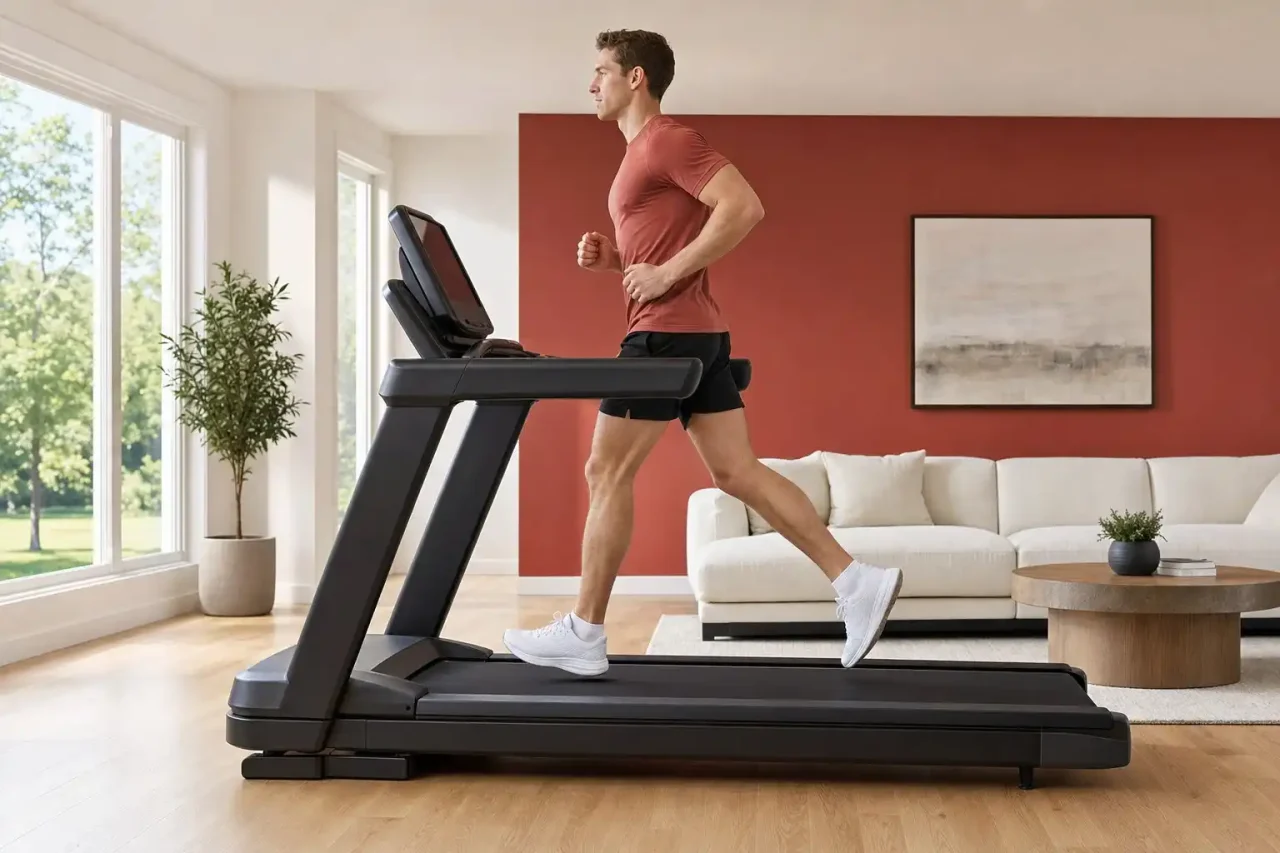
Horizon 7.4 AT is our top treadmill for tall runners, with a 88.6/100 FitScore in this comparison. Compare usable belt length and width alongside room height and your stride at running pace. For higher-capacity running options, see our heavy-runner treadmill guide.
FitScore combines six categories with weights tailored to this guide. Compare scores within this shortlist, then use each model's strengths, limitations, and dimensions to decide which fits your needs. Check the linked Amazon listing for the exact version and current availability.
Comparison Table
Horizon 7.4 AT | Sole TT8 | NordicTrack Commercial 2450 | ProForm Pro 9000 | XTERRA Sport Series TR75 | |
|---|---|---|---|---|---|
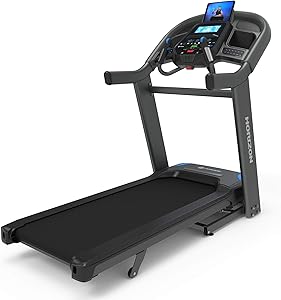 |  |  |  |  | |
Best For | Best Overall | Best Heavy-Duty | Best Smart Treadmill | Best Large-Screen Alternative | Best Value |
FitScore | 88.6/100 | 86.0/100 | 85.8/100 | 85.2/100 | 85.1/100 |
Motor | 3.5 HP | 4 HP | 4.25 HP | 3.6 HP | 3 HP |
Speed | 12 mph | 12 mph | 14 mph | 12 mph | 12 mph |
Incline | 15% | 15% | 12% | 12% | 12% |
Running Surface | 60 in x 22 in | 60 in x 22 in | 60 in x 22 in | 60 in x 20 in | 60 in x 20 in |
Weight Capacity | 350 lb | 400 lb | 400 lb | 350 lb | 350 lb |
Foldable | Folding | Non-Folding | Folding | Folding | Folding |
Check Amazon for current pricing and availability.
Key Takeaways
- Best Overall: Horizon 7.4 AT (88.6/100) stands out for long-stride running.
- Best Heavy-Duty: Sole TT8 (86.0/100) stands out for regular running.
- Best Smart Treadmill: NordicTrack Commercial 2450 (85.8/100) stands out for interactive running.
- Best Large-Screen Alternative: ProForm Pro 9000 (85.2/100) stands out for connected workouts.
- Best Value: XTERRA Sport Series TR75 (85.1/100) stands out for regular home running.
- How to decide: favor Horizon 7.4 AT when premium-size running surface matters most; compare Sole TT8 when long and wide running surface is the higher priority.
- Before buying: verify the exact model, dimensions, user-weight capacity, warranty terms, and current Amazon availability for the version you are considering.
Best Overall: Horizon 7.4 AT

Horizon 7.4 AT ranks #1 in this comparison with a 88.6/100 FitScore. Its strongest scoring category is Performance, while Affordability is the main scoring trade-off. It is our Best Overall. For a broader performance shortlist, compare our best treadmills for running.
FitScore for Tall Runners
How this FitScore was calculated
This FitScore combines the six category scores using the weights defined for this guide.
Why Choose This Treadmill
Horizon 7.4 AT takes the #1 spot because its strengths line up especially well with the buying criteria that matter in this guide. It is especially well suited to long-stride running, incline training, and long-stride workouts. It is also a strong fit for runners wanting a 22-inch belt and buyers balancing price and capability. The practical advantages that support this position are premium-size running surface, high 15% incline, and stronger value positioning than both leaders. Its intent-specific FitScore is 88.6/100, but that score is most useful when read alongside these practical strengths and limitations rather than as a universal rating. It is a weaker fit for users needing 400-lb capacity and buyers wanting a large touchscreen. Its main trade-offs are extremely heavy at 318 lb and small 8.25-inch LCD. Taken together, that balance is why we prefer it as the default choice in this comparison: it covers the core use case more completely than the more specialized alternatives, provided those limitations are not deal-breakers for you.
Best Usage
- Long-stride running
- Incline training
- Long-stride workouts
Key Specs
- Motor: 3.5 HP for regular running.
- Speed: 12 mph for varied pacing.
- Incline: 15% for demanding hills.
- Running Surface: 60 in x 22 in for added room.
- Weight Capacity: 350 lb for many households.
For
- Runners wanting a 22-inch belt
- Buyers balancing price and capability
- Users satisfied with third-party apps
Pros
- Premium-size running surface
- High 15% incline
- Stronger value positioning than both leaders
Not For
- Users needing 400-lb capacity
- Buyers wanting a large touchscreen
- People frequently relocating equipment
Cons
- Extremely heavy at 318 lb
- Small 8.25-inch LCD
- Lower capacity than top two
Best Heavy-Duty: Sole TT8

Sole TT8 ranks #2 in this comparison with a 86.0/100 FitScore. Its strongest scoring category is Performance, while Affordability is the main scoring trade-off. It is our Best Heavy-Duty.
FitScore for Tall Runners
How this FitScore was calculated
This FitScore combines the six category scores using the weights defined for this guide.
Why Choose This Treadmill
Sole TT8 earns its place in this shortlist because it solves a more specific set of needs particularly well. It is especially well suited to regular running, incline workouts, and long-stride training. It is also a strong fit for tall runners wanting a 22-inch belt and buyers prioritizing core performance. The practical advantages that support this position are long and wide running surface, high 15% incline, and strong fixed cushioning. Its intent-specific FitScore is 86.0/100, but that score is most useful when read alongside these practical strengths and limitations rather than as a universal rating. It is a weaker fit for users in small rooms that require folding storage and buyers centered on guided touchscreen classes. Its main trade-offs are premium positioning and non-folding 3,135-sq-in footprint. That is why it can be a better choice than the #1 pick when these specific strengths match your priorities more closely, while remaining a less universal choice when they do not.
Best Usage
- Regular running
- Incline workouts
- Long-stride training
Key Specs
- Motor: 4 HP for running-focused output.
- Speed: 12 mph for faster sessions.
- Incline: 15% for steeper workouts.
- Running Surface: 60 in x 22 in for long, wide strides.
- Weight Capacity: 400 lb for broader user compatibility.
For
- Tall runners wanting a 22-inch belt
- Buyers prioritizing core performance
- Households needing 400-lb capacity
Pros
- Long and wide running surface
- High 15% incline
- Strong fixed cushioning
Not For
- Users in small rooms that require folding storage
- Buyers centered on guided touchscreen classes
- Occasional walkers who can spend less
Cons
- Premium positioning
- Non-folding 3,135-sq-in footprint
- Heavy at 296 lb
Best Smart Treadmill: NordicTrack Commercial 2450

NordicTrack Commercial 2450 ranks #3 in this comparison with a 85.8/100 FitScore. Its strongest scoring category is Performance, while Affordability is the main scoring trade-off. It is our Best Smart Treadmill.
FitScore for Tall Runners
How this FitScore was calculated
This FitScore combines the six category scores using the weights defined for this guide.
Why Choose This Treadmill
NordicTrack Commercial 2450 earns its place in this shortlist because it solves a more specific set of needs particularly well. It is especially well suited to interactive running, fast intervals, and guided home workouts. It is also a strong fit for runners wanting immersive programming and buyers prioritizing a large touchscreen. The practical advantages that support this position are large 24-inch touchscreen, fastest listed speed, and folds to reduce storage footprint. Its intent-specific FitScore is 85.8/100, but that score is most useful when read alongside these practical strengths and limitations rather than as a universal rating. It is a weaker fit for buyers avoiding membership ecosystems and users needing the highest incline. Its main trade-offs are premium price and iFIT uses a membership model. That is why it can be a better choice than the #1 pick when these specific strengths match your priorities more closely, while remaining a less universal choice when they do not.
Best Usage
- Interactive running
- Fast intervals
- Guided home workouts
Key Specs
- Motor: 4.25 HP, the highest listed output.
- Speed: 14 mph for faster intervals.
- Incline: 12% for hill training.
- Running Surface: 60 in x 22 in for long strides.
- Weight Capacity: 400 lb for broad compatibility.
For
- Runners wanting immersive programming
- Buyers prioritizing a large touchscreen
- Users needing a 22-inch belt
Pros
- Large 24-inch touchscreen
- Fastest listed speed
- Folds to reduce storage footprint
Not For
- Buyers avoiding membership ecosystems
- Users needing the highest incline
- Shoppers seeking budget performance
Cons
- Premium price
- iFIT uses a membership model
- Still heavy at 268.2 lb
Best Large-Screen Alternative: ProForm Pro 9000
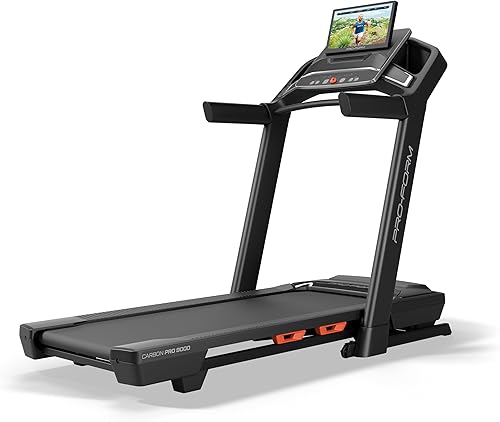
ProForm Pro 9000 ranks #4 in this comparison with a 85.2/100 FitScore. Its strongest scoring category is Performance, while Affordability is the main scoring trade-off. It is our Best Large-Screen Alternative.
FitScore for Tall Runners
How this FitScore was calculated
This FitScore combines the six category scores using the weights defined for this guide.
Why Choose This Treadmill
ProForm Pro 9000 earns its place in this shortlist because it solves a more specific set of needs particularly well. It is especially well suited to connected workouts, home running, and compact folded storage. It is also a strong fit for buyers wanting a 16-inch screen and buyers seeking a lower-cost large-screen option. The practical advantages that support this position are large 16-inch touchscreen, lower price than premium leaders, and smallest folded footprint listed. Its intent-specific FitScore is 85.2/100, but that score is most useful when read alongside these practical strengths and limitations rather than as a universal rating. It is a weaker fit for runners prioritizing maximum belt width and buyers avoiding iFIT memberships. Its main trade-offs are narrower 20-inch belt and fixed cushioning. That is why it can be a better choice than the #1 pick when these specific strengths match your priorities more closely, while remaining a less universal choice when they do not.
Best Usage
- Connected workouts
- Home running
- Compact folded storage
Key Specs
- Motor: 3.6 HP for running workouts.
- Speed: 12 mph for varied sessions.
- Incline: 12% for hill variety.
- Running Surface: 60 in x 20 in for long strides.
- Weight Capacity: 350 lb for many users.
For
- Buyers wanting a 16-inch screen
- Buyers seeking a lower-cost large-screen option
- Users comfortable with a 20-inch belt
Pros
- Large 16-inch touchscreen
- Lower price than premium leaders
- Smallest folded footprint listed
Not For
- Runners prioritizing maximum belt width
- Buyers avoiding iFIT memberships
- Users needing 400-lb capacity
Cons
- Narrower 20-inch belt
- Fixed cushioning
- Membership-based app system
Best Value: XTERRA Sport Series TR75

XTERRA Sport Series TR75 ranks #5 in this comparison with a 85.1/100 FitScore. Its strongest scoring category is Performance, while Practicality is the main scoring trade-off. It is our Best Value.
FitScore for Tall Runners
How this FitScore was calculated
This FitScore combines the six category scores using the weights defined for this guide.
Why Choose This Treadmill
XTERRA Sport Series TR75 earns its place in this shortlist because it solves a more specific set of needs particularly well. It is especially well suited to regular home running, incline walking, and long-stride exercise. It is also a strong fit for budget-conscious shoppers and users accepting a 20-inch belt. The practical advantages that support this position are budget-focused positioning, full 60-inch deck length, and folding design reduces footprint. Its intent-specific FitScore is 85.1/100, but that score is most useful when read alongside these practical strengths and limitations rather than as a universal rating. It is a weaker fit for runners demanding a 22-inch belt and buyers wanting strong cushioning. Its main trade-offs are narrower 20-inch belt and basic 5.5-inch LCD. That is why it can be a better choice than the #1 pick when these specific strengths match your priorities more closely, while remaining a less universal choice when they do not.
Best Usage
- Regular home running
- Incline walking
- Long-stride exercise
Key Specs
- Motor: 3 HP for budget running.
- Speed: 12 mph for varied pacing.
- Incline: 12% for hill sessions.
- Running Surface: 60 in x 20 in for long strides.
- Weight Capacity: 350 lb for broad usability.
For
- Budget-conscious shoppers
- Users accepting a 20-inch belt
- Buyers wanting basic app compatibility
Pros
- Budget-focused positioning
- Full 60-inch deck length
- Folding design reduces footprint
Not For
- Runners demanding a 22-inch belt
- Buyers wanting strong cushioning
- Users seeking a large display
Cons
- Narrower 20-inch belt
- Basic 5.5-inch LCD
- Less cushioning than other picks
How We Selected the Best Treadmills for Tall Runners
For this guide, we prioritize deck length and width first, then compare running capability, cushioning, weight capacity, incline range, storage requirements, and value. Our Treadmill Statistics 2027 research provides broader benchmarks for deck dimensions, speed, incline, capacity, and price.
We evaluate Amazon-listed models using documented product specifications and structured comparison data. A 60-inch deck is the baseline we favor for tall runners, while a 22-inch width provides additional lateral room compared with narrower 20-inch alternatives. Motor power and maximum speed matter more for regular running than for walking-focused use.
We also compare cushioning, weight capacity, incline capability, assembled and folded dimensions, and item weight. Folding counts as a storage benefit rather than proof that a treadmill is easy to move, and a larger screen, higher price, or greater weight capacity does not automatically make one model better.
Our recommendations are based on documented specifications and practical fit for tall runners. We do not imply hands-on testing or ownership unless it has actually been performed.
How to Choose the Best Treadmill for Tall Runners
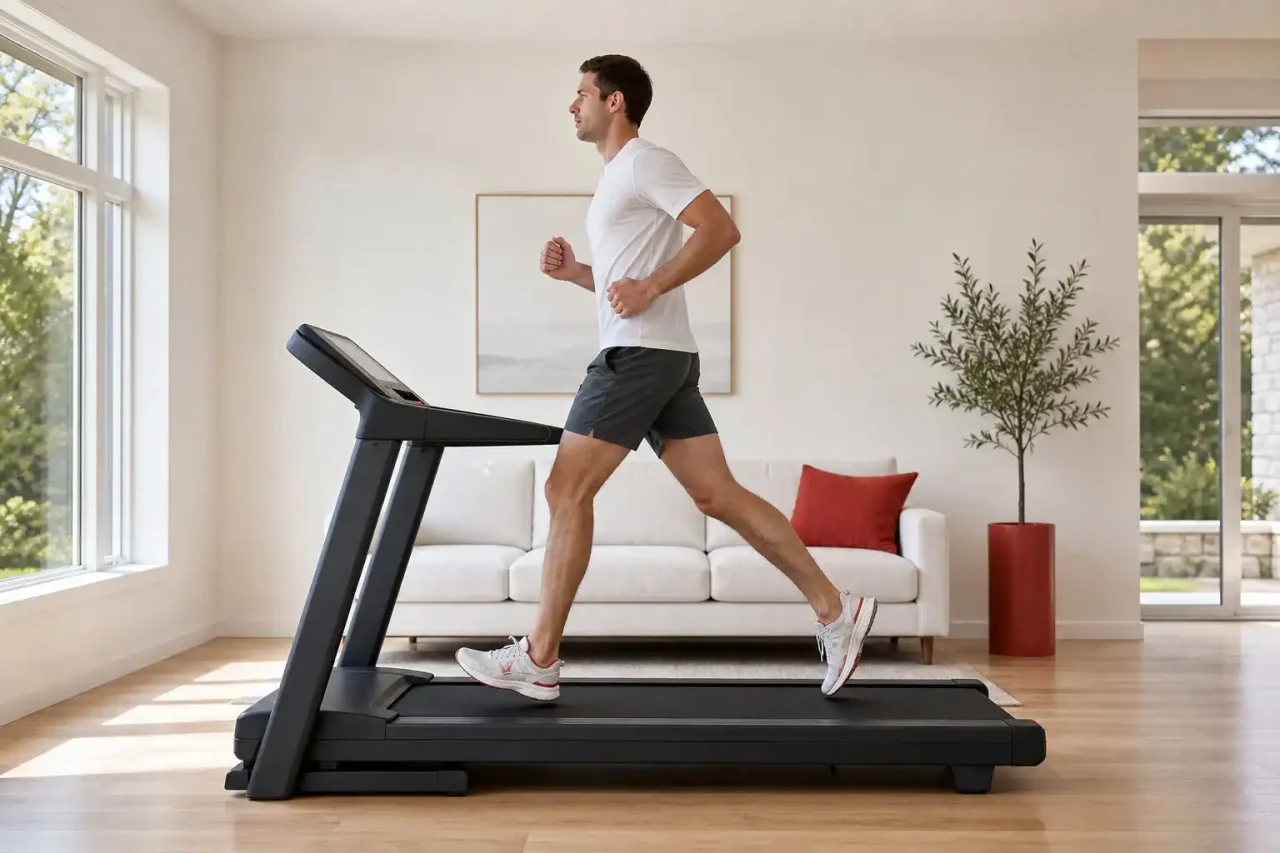
Choose a treadmill around the runner’s actual stride, training pace, body size, and available space rather than height alone.
Start With Belt Length and Width
For regular running, we favor a 60-inch belt because it provides more fore-aft room than shorter decks. A 22-inch width also adds lateral space compared with 20-inch alternatives: the Sole TT8, NordicTrack Commercial 2450, and Horizon 7.4 AT provide the widest belts in this selection.
Height alone does not determine the belt length a runner needs. Stride length also varies with pace, individual biomechanics, and running style. Research involving runners of different statures found that changing stride length altered lower-extremity biomechanics, reinforcing the value of choosing a running surface that accommodates the runner’s natural gait rather than relying on height alone. See the study on stride length and runners of different statures.
Match Power and Incline to Training
A 3 HP treadmill can provide sufficient capability for regular home running, while higher-powered models provide additional headroom for demanding training. Match motor power and maximum speed to the workouts you will actually perform rather than assuming the largest specifications are automatically better.
If incline training matters, compare the available range alongside deck dimensions and running capability. Likewise, a 14 mph maximum speed has little practical value unless you expect to train above the 12 mph ceiling available on the other models.
The CDC’s physical activity guidance for adults classifies jogging and running as vigorous-intensity activity. Its current guidance gives 75 minutes of vigorous aerobic activity per week as one way adults can meet the aerobic recommendation, alongside muscle-strengthening activity on at least two days per week.
Measure the Room Before Buying
Use assembled dimensions, not folded dimensions, to plan workout space. Tall runners should also account for their standing height plus the height of the treadmill deck, particularly in basements or other rooms with limited ceiling clearance.
If ceiling height is restrictive, compare our best treadmill for low ceilings guide. If floor space is the primary constraint, compare our best treadmill for small spaces guide.
A folding deck reduces storage footprint, but it does not make a full-size treadmill portable. Check both folded dimensions and item weight before assuming a treadmill will be easy to move.
Leave Capacity Margin
Never exceed the manufacturer’s stated weight capacity. A higher capacity can provide more compatibility margin for heavier users, but it should not automatically be interpreted as evidence of greater comfort, stability, or durability.
If body weight and repeated running loads are major considerations, compare our best treadmill for heavy runners.
Decision Shortcuts
- Best Overall: Choose Horizon 7.4 AT if long-stride running is a priority; look at another pick if users needing 400-lb capacity applies to you.
- Best Heavy-Duty: Choose Sole TT8 if regular running is a priority; look at another pick if users in small rooms that require folding storage applies to you.
- Best Smart Treadmill: Choose NordicTrack Commercial 2450 if interactive running is a priority; look at another pick if buyers avoiding membership ecosystems applies to you.
- Best Large-Screen Alternative: Choose ProForm Pro 9000 if connected workouts is a priority; look at another pick if runners prioritizing maximum belt width applies to you.
- Best Value: Choose XTERRA Sport Series TR75 if regular home running is a priority; look at another pick if runners demanding a 22-inch belt applies to you.
Final Verdict
Horizon 7.4 AT remains our #1 pick in this guide with a FitScore of 88.6/100. It offers the strongest overall balance around premium-size running surface, high 15% incline, and long-stride running, which is why it is the best starting point for most readers comparing these five models. Sole TT8 is the alternative to favor when long and wide running surface matters more than the broader balance of the top pick. The main reason to pass on Horizon 7.4 AT is if users needing 400-lb capacity applies to you; in that case, use the Decision Shortcuts above to match a more specialized model to your needs. Otherwise, Horizon 7.4 AT is the treadmill we would check first.
Frequently Asked Questions About The Best Treadmill For Tall Runners: 5 Long-Deck Picks for Confident Strides
Horizon 7.4 AT ranks first among these five products with an intent-specific FitScore of 88.6/100. It is classified as Best Overall, while every product in the shortlist is scored with the same article-specific weighting.
Sole TT8 ranks second at 86.0/100 and is classified as Best Heavy-Duty. It is the closest alternative in the current FitScore ranking for this guide.
Best Heavy-Duty: Sole TT8 (86.0/100); Best Smart Treadmill: NordicTrack Commercial 2450 (85.8/100); Best Large-Screen Alternative: ProForm Pro 9000 (85.2/100); Best Value: XTERRA Sport Series TR75 (85.1/100). These labels describe the main use case each model fills in this shortlist.
FitScore combines Performance, Durability, Comfort, Practicality, Features, and Affordability. The six categories are weighted for the search intent of this specific guide, so scores are comparable within this article rather than being a universal rating for every buyer.
Not necessarily. The highest FitScore is the strongest overall match for this article intent, but a lower-ranked model can still be the better choice when a hard constraint such as dimensions, user capacity, folding design, deck size, incline range, or budget matters more to you.
Confirm the exact model and Amazon ASIN, current availability, assembled dimensions, user-weight capacity, folding or storage requirements, warranty terms, and the features that matter for your intended training. Product listings can change, so verify the live listing before purchase.
This article contains affiliate links. If you click through and make a purchase, we may earn a small commission at no extra cost to you. As an Amazon Associate, we earn from qualifying purchases. Product information, prices, and availability are collected manually and may change at any time. For the most accurate and current details, please check directly on Amazon. Learn more. Amazon and the Amazon logo are trademarks of Amazon.com, Inc. or its affiliates.
