

Short answer
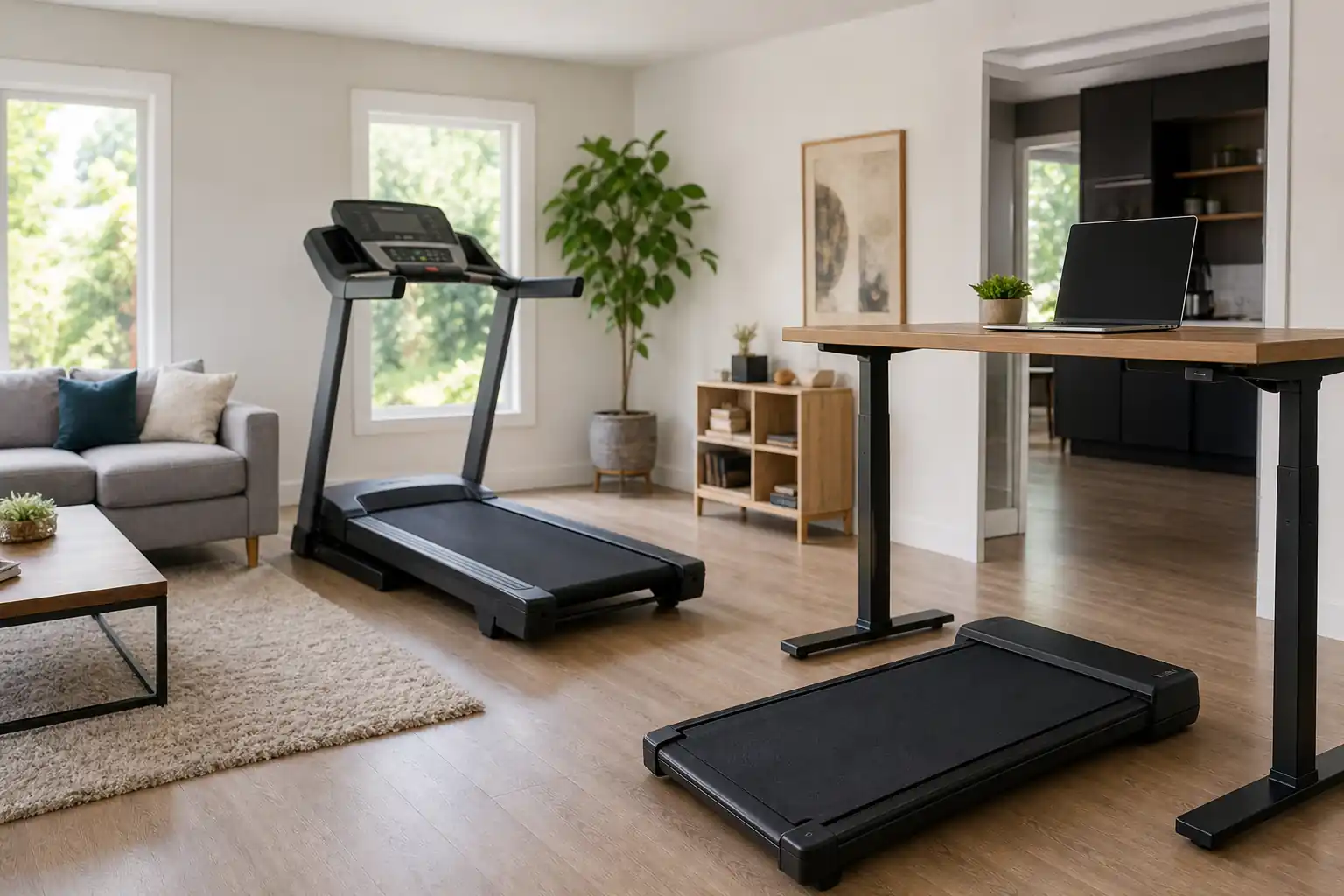
Choose a full treadmill if you want to run, jog fast, train on steep incline or share the machine with tall or heavy users. Choose a walking pad if you mainly walk, want to move during desk work and need something light that slides under a bed or couch. Walking pads trade speed and deck size for storage.
Key takeaways
- Full treadmills are for running, steep incline work and shared or heavy use.
- Walking pads are for walking, desk work and rooms where the machine must disappear.
- 2-in-1 walking pads allow light jogging, but their short belts limit stride length.
- Full treadmills from Horizon, XTERRA and Schwinn offer much longer frame and motor coverage.
- Either type covers CDC brisk-walking guidance; only a full treadmill handles sustained running.
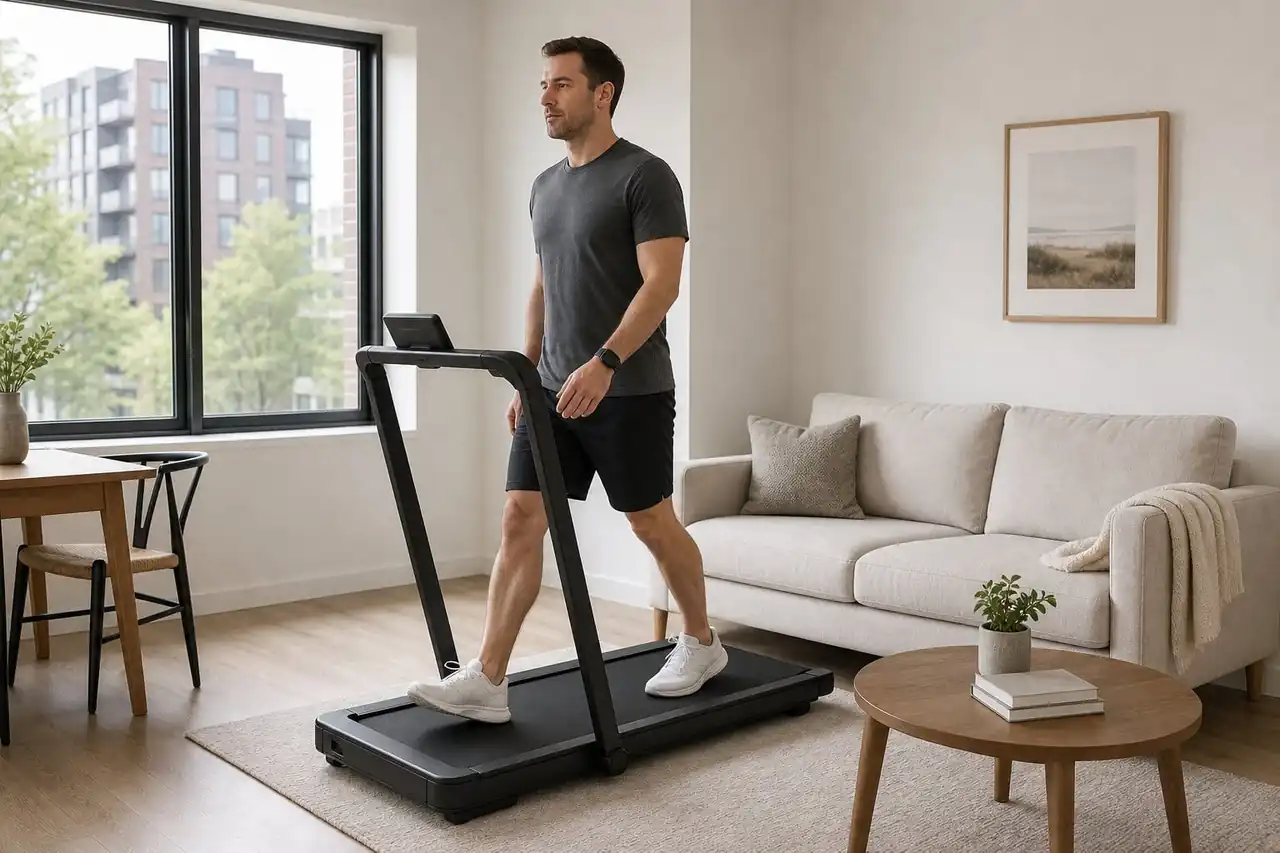
A walking pad and a treadmill both put a moving belt under your feet, but they solve different problems. A walking pad is a low, flat, motorized deck built for walking, often under a standing desk, and it stores under furniture. A full treadmill has a longer and wider deck, a taller frame with handrails and a console, a stronger drive system and enough speed and incline for running.
This comparison puts the two side by side on speed, space, deck size, incline, build, warranty, noise and safety, using the specs of the models we rank in our best walking pad and best treadmill for walking guides. At the end you will find a clear pick for each type of buyer and the models we recommend in each category.
Treadmill vs Walking Pad at a Glance
The table compares typical ranges for the walking pads and full-size treadmills we rank. Individual models vary, so use it to choose the category first and then check the exact specs of the model you want.
The quickest rule: if anyone in the house wants to run, a walking pad is the wrong tool. If nobody runs and floor space is the main constraint, a walking pad usually wins. Our treadmill buying guide walks through the same decision for every treadmill type.
| Criterion | Walking pad | Full treadmill |
|---|---|---|
| Best for | Walking, desk walking, small rooms | Running, jogging, incline training, shared use |
| Top speed (models we rank) | About 3.75 to 4 mph on flat pads; up to about 6 to 7.6 mph on 2-in-1 pads | About 10 to 12 mph |
| Belt size | About 15–16.5 × 36–40 in | About 20–22 × 55–60 in |
| Incline | None to about 12–15% on some newer pads | About 10–15% power incline on most mid-range models |
| Weight | About 38–65 lb | About 155–320 lb |
| Storage | Slides flat under a bed, couch or desk | Folds upright on many models; still a large footprint |
| Handrails and console | Usually none, a remote or a fold-up rail | Full handrails, console, often heart rate grips |
| Typical warranty (reviewed models) | 1–2 years on frame, motor and parts | Up to lifetime frame and motor on Horizon and XTERRA models |
Check Amazon for current pricing and availability.
Speed and Running: The Biggest Difference
Speed is where the two categories split. Flat desk pads such as the WalkingPad P1 top out at about 3.75 mph and the AKLUER TW140L at about 4 mph, which covers easy to brisk walking. The CDC counts walking at 2.5 mph or faster as moderate-intensity activity, so a walking pad is enough for that kind of exercise.
2-in-1 walking pads raise a rail and unlock higher speeds: the THERUN X1 reaches about 6.2 mph and the THERUN X2 about 7.6 mph. That allows light jogging, but the short 38- to 40-inch belt still limits your stride. Our buying guide recommends about 60 inches of belt length for running and 50 to 55 inches for walking.
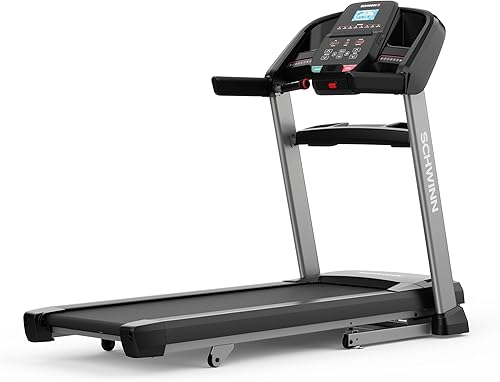
Full treadmills such as the Horizon T101 (10 mph, 20 × 55-inch belt) and the Schwinn 815 (12 mph, 20 × 60-inch belt) are built for sustained jogging and running, with longer decks, sturdier frames and handrails you can grab on intervals.
- Walking only: a flat walking pad is enough.
- Walking plus occasional light jogging: a 2-in-1 pad works if you are not tall and your stride is short.
- Regular jogging or running: choose a full treadmill with a 55- to 60-inch belt.
Space, Storage and Weight
Storage is the main reason people buy walking pads. Most models we rank weigh about 38 to 65 lb, fold or lie at about 4 to 6 inches tall and roll on front wheels, so one person can slide them under a bed, sofa or desk. That makes them practical in studios, shared apartments and home offices where a treadmill cannot stay out all day.
Full folding treadmills save floor space by tilting the deck up, but they remain large and heavy. The Schwinn 815 weighs about 155 lb, the Horizon T101 about 180 lb and the Horizon 7.4 AT about 318 lb. When folded they still need a dedicated spot, and moving them between rooms is a two-person job.
If you want a full treadmill in a small space, our best treadmill for small spaces and most compact treadmill guides rank models by footprint and folded size. If the goal is to hide the machine completely, look at our best folding treadmill under bed picks.
Pro tip: Measure the clearance under your bed or sofa before you buy a walking pad. A pad that is half an inch too tall will end up standing against a wall.
Deck Size, Stability and Weight Capacity
Walking pad belts are much smaller. The Acezoe P14 runs about 15.75 × 40 inches and the THERUN X1 about 15 × 38 inches. Full treadmills usually give you 20 × 55 to 22 × 60 inches. The extra width matters more than many buyers expect: on a 15-inch belt, a step slightly off center can land on the side rail, especially when you are typing or reading.
Weight ratings overlap more than deck sizes. The Trisomy D2 carries a 450-lb rating, the Acezoe P14 300 lb and the THERUN X1 265 lb, while full treadmills such as the XTERRA TR75 are rated to 350 lb. A high rating on a walking pad does not lengthen its belt, so heavy and tall users still benefit from a full deck.
Stability is the other gap. Without full handrails, a walking pad relies on your balance. Some models add a fold-up handle, which we cover in our best walking pad with handle guide. For tall walkers, see the best walking pad for tall people and for heavier users the best walking pad for plus size rankings.
Incline, Motor and Build Quality
Classic walking pads are flat, but newer models add incline. The AKLUER TW140L lists up to 12% power incline and the Trisomy D2 up to 15%, which brings incline walking to a flat-storing machine. Our best walking pad with incline guide ranks those models. Full treadmills usually combine incline with a longer deck and handrails: the Horizon 7.4 AT reaches 15% and the Schwinn 815 12%.
Motor ratings are harder to compare. Walking pads list 2 to 3.5 HP, but brands do not always say whether that is continuous or peak power, and a short belt and thin deck put less mass and cushioning under your feet. Full treadmills pair similar or higher ratings with heavier frames, larger rollers and cushioned decks; our treadmill cushioning guide explains why that matters for joints.
Warranty is a reliable signal of expected lifespan. The walking pads we reviewed carry 1 to 2 years on frame, motor and parts. The Horizon T101 has a lifetime frame and motor warranty with 1-year parts, the XTERRA TR75 lifetime frame and motor with 2-year parts, and the Schwinn 815 10 years on frame and motor. Check the current terms on the product page before you order.
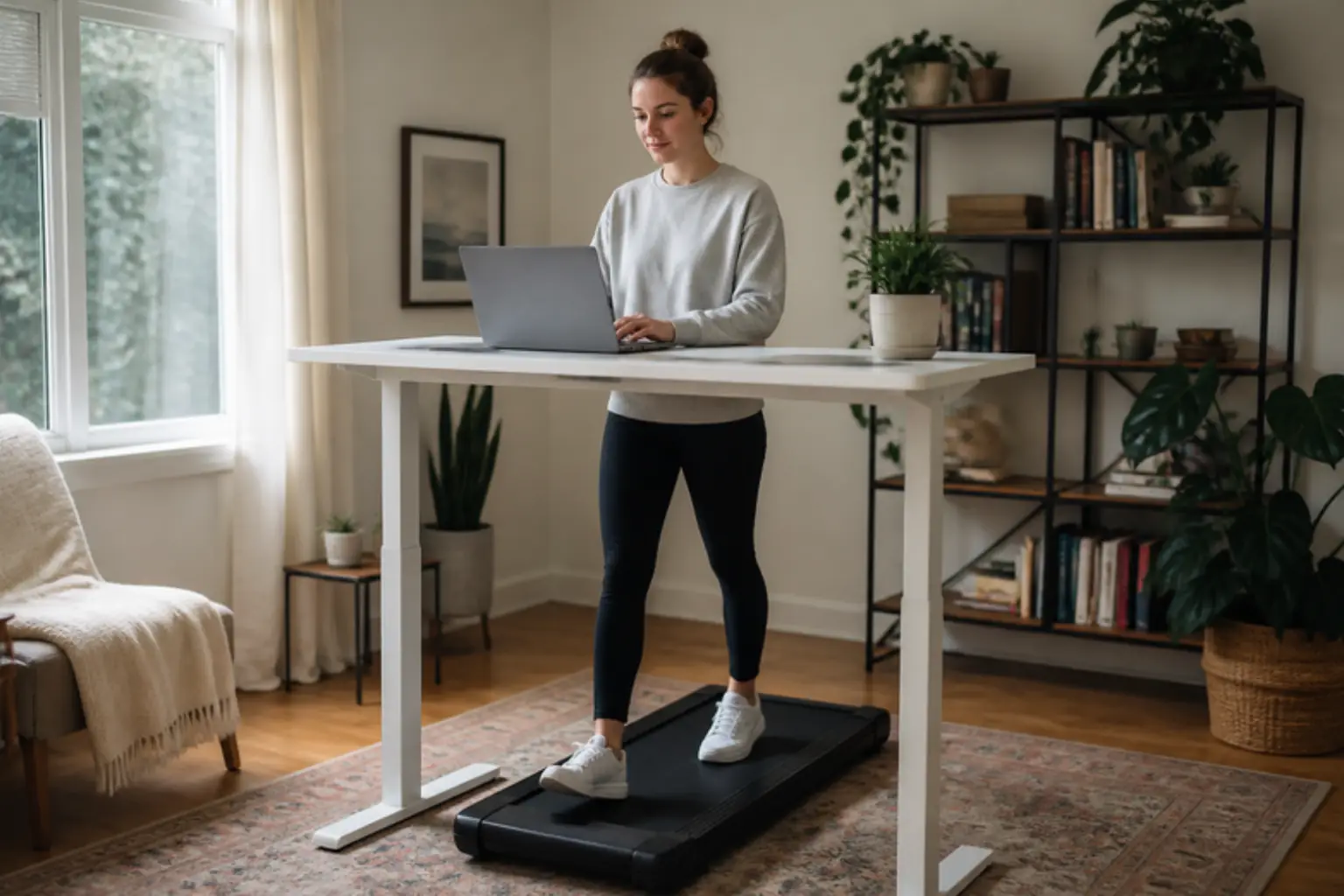
Desk Walking and Daily Activity
A walking pad is the easier way to add walking during desk work. A 2021 systematic review and meta-analysis of treadmill desks found that, in laboratory studies, walking at a treadmill desk raised energy expenditure by about 105 kcal per hour compared with sitting. Treat that as an average estimate; your own number depends on body size and walking speed.
The same review found only a small reduction in total sitting time in real workplaces, and a 2023 network meta-analysis of active workstations found treadmill workstations worked best when paired with prompts and reminders, with low overall certainty of evidence. In practice, a walking pad helps if you build a routine around it, such as walking during calls.
For structured exercise, the CDC recommends that adults get 150 minutes of moderate-intensity activity a week plus 2 days of muscle strengthening. Brisk walking on either machine counts. A full treadmill adds the option of vigorous work, such as running or steep incline, when you want more intensity in less time.
Best Walking Pad

Acezoe P14
FitScore 64.9/100
Long 40-inch belt for a walking pad, power incline and a 300-lb rating, our top pick in the walking pad guide.
Ranked in our Best Walking Pad guide
Check Price on AmazonBest Under Desk

Cardirun TM037
FitScore 69.8/100
Our top under-desk pick: a slim deck that slides away after work, with a 350-lb rating.
Ranked in our Best Under Desk Treadmill guide
Check Price on AmazonLightest Pad

THERUN X1 Basic
FitScore 59.5/100
Light at about 38 lb, with a fold-up rail and up to about 6.2 mph for brisk walking or light jogging.
Ranked in our Best Walking Pad guide
Check Price on AmazonNoise, Floors and Safety
Walking is quieter than running on any machine, and walking pads are popular in apartments for that reason. Motor and belt noise still varies by model; our best quiet walking pad guide favors models with published noise data. For full treadmills, the best quiet treadmill for apartment guide covers decks that keep footfall noise down.
Both types benefit from a mat that protects the floor and reduces vibration. Because walking pads sit low, they also collect dust and pet hair near the belt, so vacuum around them regularly. Our treadmill maintenance guide covers belt tension, lubrication and cleaning for both types.
Safety rules are the same for both. In a 2021 warning about a motorized treadmill, the CPSC advised owners to keep small children and pets away, unplug the machine when not in use and store the safety key out of reach of children. A walking pad that lives under a couch should be unplugged before it goes back into storage.
Watch out: Most walking pads have no full handrails. If you have balance concerns, choose a model with a fold-up handle or a full treadmill, and start at a slow speed.
Which Should You Choose?
Pick the category by how you will use it most of the time, not by the occasional workout. Most buyers fall into one of these profiles.
- Remote worker with a standing desk: walking pad. See our best under-desk treadmill picks.
- Walker in a small apartment: walking pad, or a compact full treadmill if you have room for a 55-inch belt.
- Runner or regular jogger: full treadmill with a 20 × 60-inch belt and at least 3 HP. See our best treadmill for running rankings.
- Incline walker: full treadmill for the longest deck and handrails; an incline walking pad if storage comes first.
- Tall or heavy user: full treadmill with a 60-inch belt and a 350-lb rating, such as the XTERRA TR75.
- Senior or anyone needing support: full treadmill with handrails; see the best treadmill for seniors guide or the best walking pad for seniors guide.
Best for Walking
NordicTrack T Series 7
FitScore 78.9/100
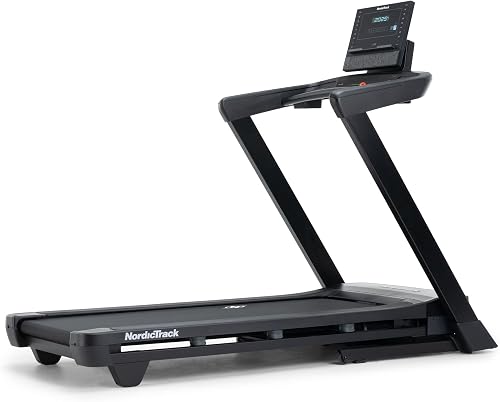
Our top walking treadmill: a 20 × 55-inch belt, auto incline to 10% and a folding frame with full handrails.
Ranked in our Best Treadmill for Walking guide
Check Price on AmazonBest Folding
Schwinn Fitness 815
FitScore 75.9/100
Full 20 × 60-inch deck that folds, 12 mph and 12% incline, light for its size at about 155 lb.
Ranked in our Best Folding Treadmill guide
Check Price on AmazonBest for Walkers

Horizon T101
FitScore 71.8/100
Simple folding treadmill with a 20 × 55-inch belt, 10% incline and a lifetime frame and motor warranty.
Ranked in our Best Folding Treadmill guide
Check Price on AmazonCommon Mistakes to Avoid
- Buying a walking pad to train for a race; the belt and speed are too short for real running.
- Ignoring belt width; a 15-inch belt feels narrow when you type or read while walking.
- Assuming a 450-lb rating means a walking pad fits tall users; belt length is a separate spec.
- Buying a full treadmill for a room where it cannot stay set up, then never unfolding it.
- Skipping the warranty comparison; walking pads usually carry 1 to 2 years on everything.
The Bottom Line
- The walking pads we rank top out between about 3.75 mph (flat desk pads) and 7.6 mph (2-in-1 models with a fold-up rail); full treadmills reach 10 to 12 mph.
- Walking pad belts run about 15 to 16.5 inches wide and 36 to 40 inches long, versus 20 × 55 to 22 × 60 inches on full treadmills.
- Walking pads weigh roughly 38 to 65 lb and fold to about 4 to 6 inches tall; full folding treadmills weigh about 155 to 320 lb.
- Warranties on the walking pads we reviewed run 1 to 2 years on everything; Horizon, XTERRA and Schwinn full treadmills offer 10-year to lifetime frame and motor coverage.
- Our top walking pad scores 66.3 in its guide; our top walking treadmill scores 80.4.
Our Top Picks
 Best Walking PadAcezoe P14FitScore64.9/100Check on Amazon
- Best Under DeskCardirun TM037FitScore69.8/100Check on Amazon
- Lightest PadTHERUN X1 BasicFitScore59.5/100Check on Amazon
- Best for WalkingNordicTrack T Series 7FitScore78.9/100Check on Amazon
- Best FoldingSchwinn Fitness 815FitScore75.9/100Check on Amazon
- Best for WalkersHorizon T101FitScore71.8/100Check on Amazon
Frequently Asked Questions
For walking, yes, as long as the belt is long and wide enough for your stride. For running, incline training or heavy daily use, a full treadmill is better because of its larger deck, higher speed and sturdier build.
Not on a flat desk pad, which tops out around 3.75 to 4 mph. Some 2-in-1 pads reach about 6 to 7.6 mph for light jogging, but their 38- to 40-inch belts are too short for comfortable running.
Yes. Laboratory studies pooled in a 2021 meta-analysis found treadmill desk walking raised energy use by about 105 kcal per hour compared with sitting, as an average estimate.
Brands do not publish lifespans, but warranties hint at it: the walking pads we reviewed carry 1 to 2 years of coverage, while many full treadmills offer 10-year to lifetime frame and motor warranties.
It can be, if the senior has good balance. Models with a fold-up handle add support, but a full treadmill with handrails is safer for anyone with balance concerns.
Usually, because they are used for walking only and have smaller motors. Footfall noise, not the motor, is often the loudest part, so a mat helps on either type.
Get a walking pad if you only walk and need to store it under furniture. If you want to jog, choose a compact full treadmill with at least a 55-inch belt.
Explore More Treadmill Comparisons
Best Walking Pad (2026): 5 Picks for Home and Under-Desk Walking
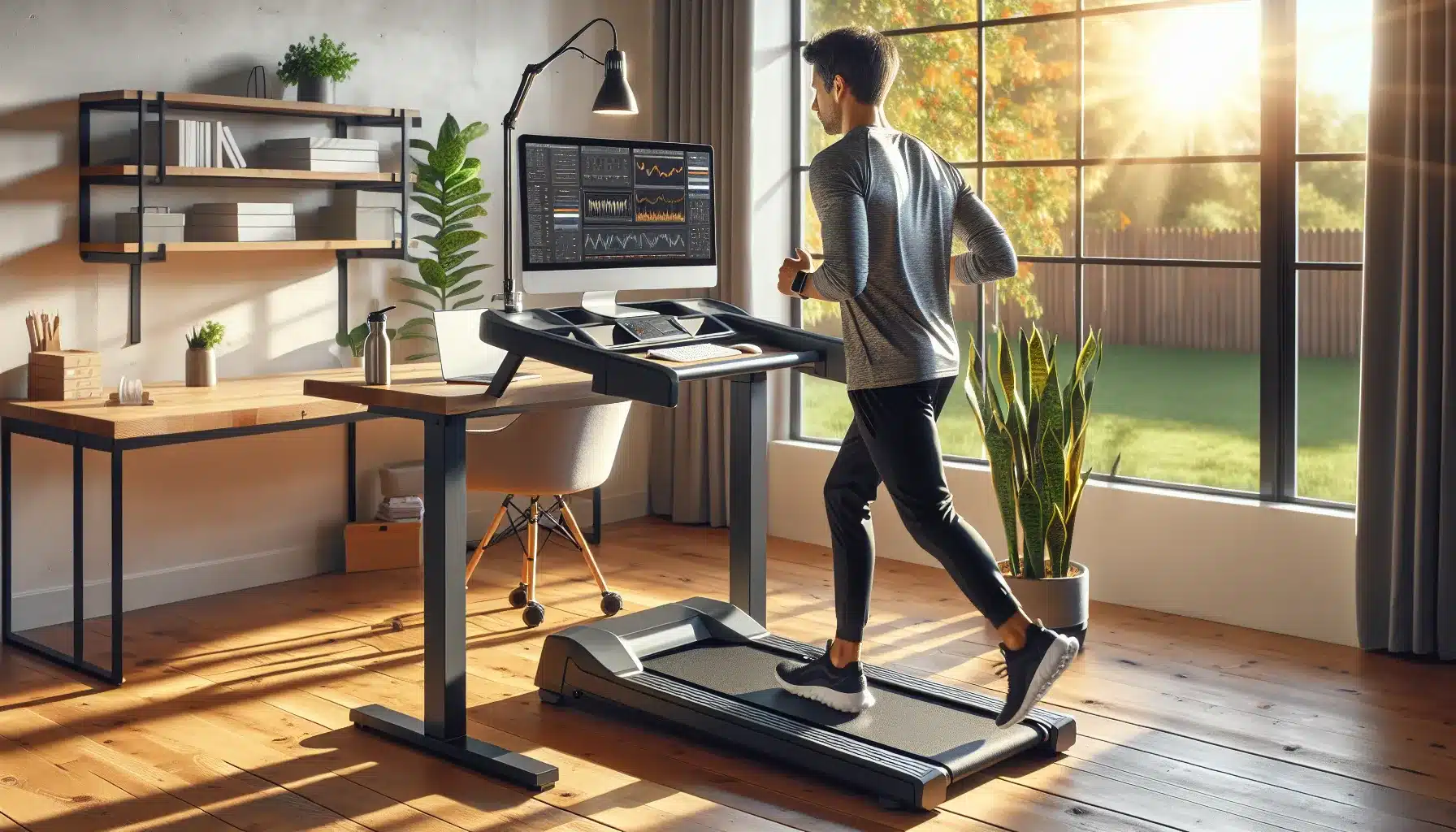
Best Under Desk Treadmill (2026): 5 Picks for Walking While You Work
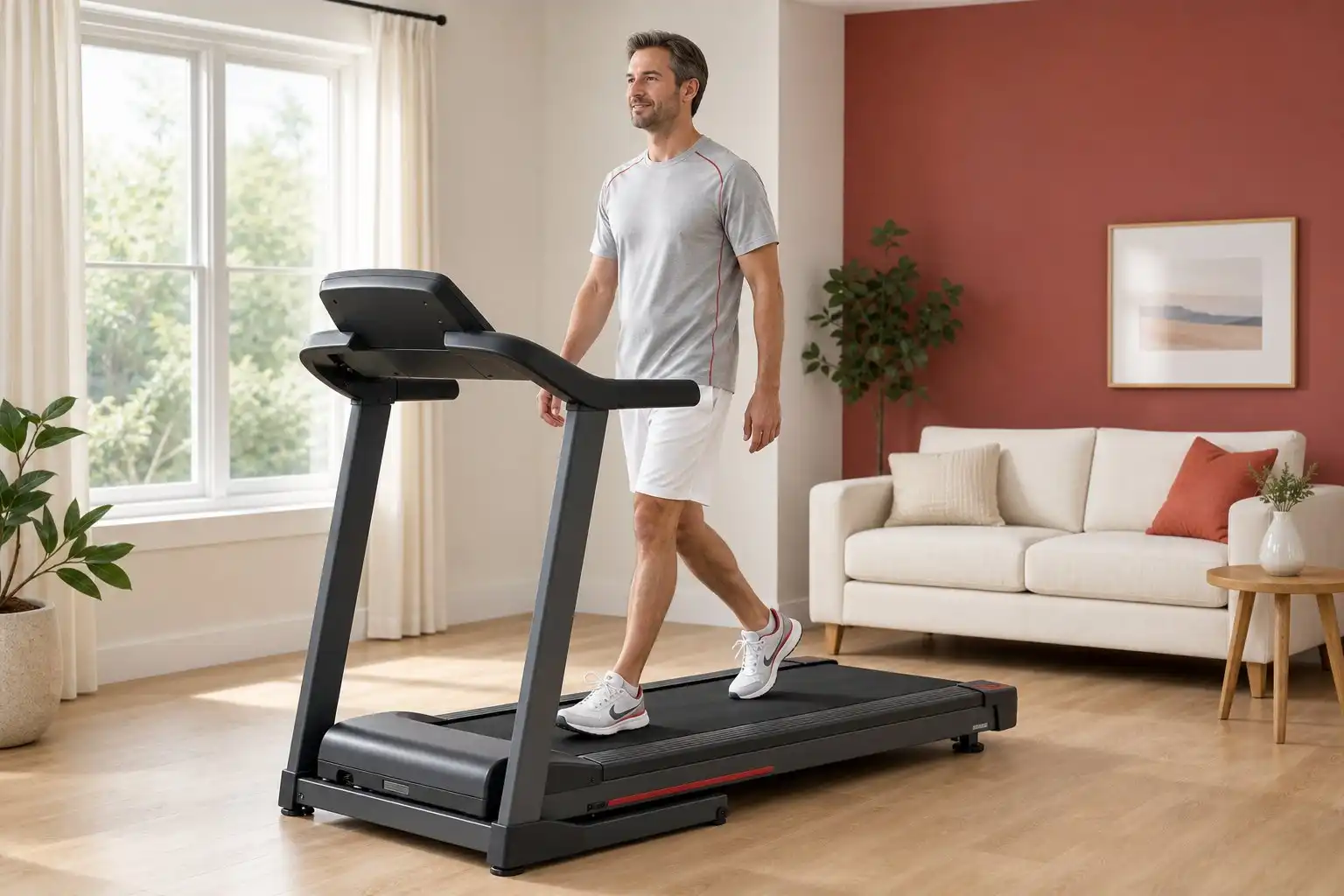
Best Treadmill for Walking: 5 Standout Home Picks for 2026
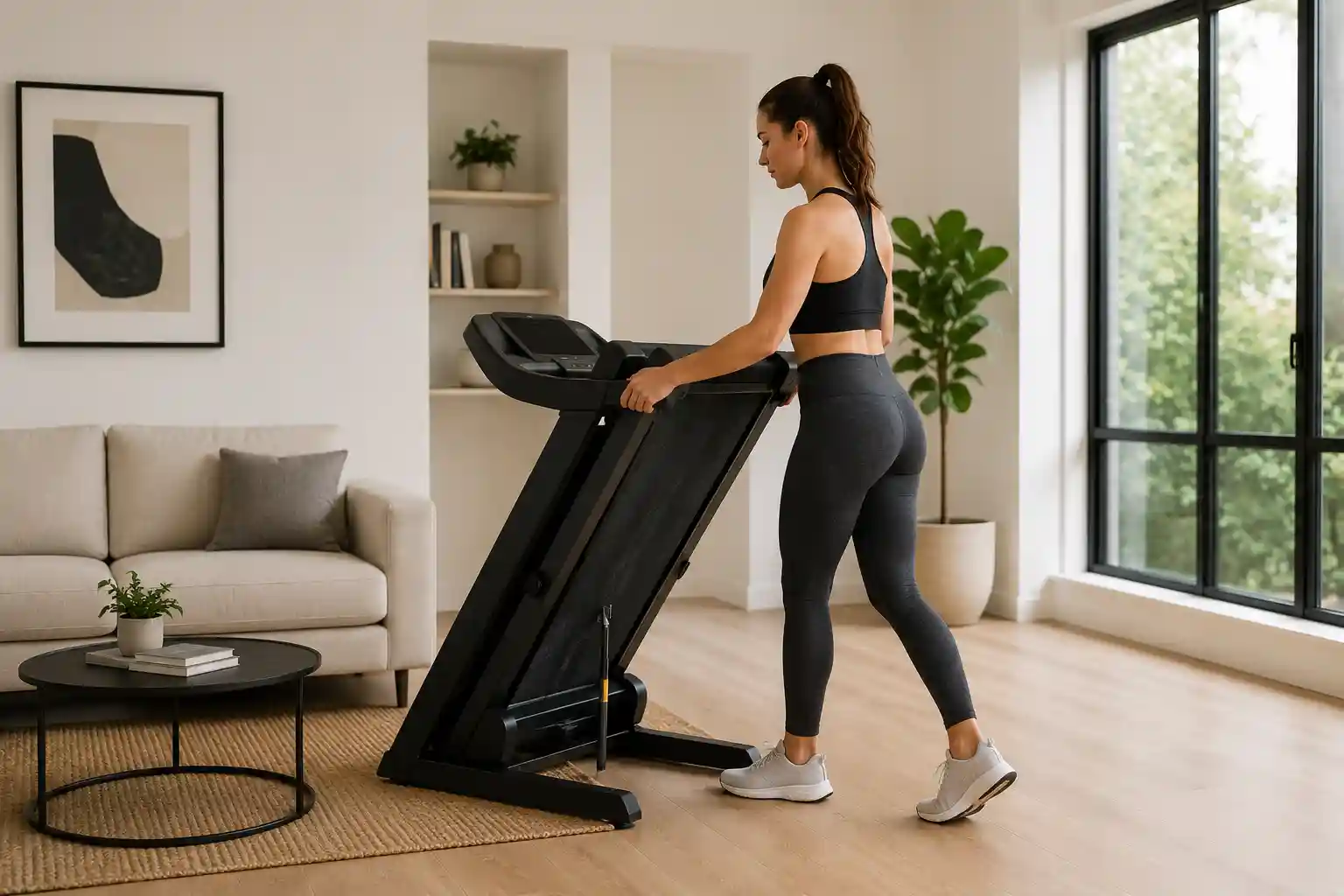
Best Folding Treadmill (2026): 5 Space-Saving Picks That Make the Decision Easy
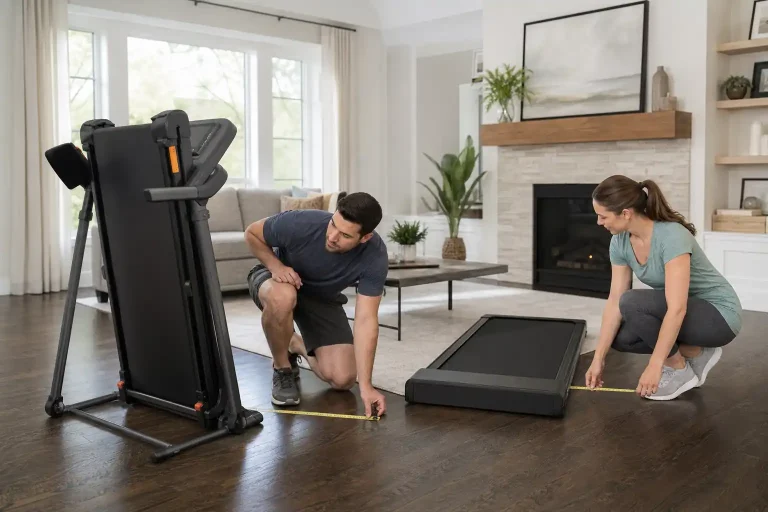
Treadmill Buying Guide (2026): How to Choose the Right Home Treadmill
Best Treadmill for Small Spaces (2026): The 5 Picks Worth Your Money
This article contains affiliate links. If you click through and make a purchase, we may earn a small commission at no extra cost to you. As an Amazon Associate, we earn from qualifying purchases. We do not show prices because they change constantly: product details and availability can change at any time, so please check the current price and details directly on Amazon. Learn more. Amazon and the Amazon logo are trademarks of Amazon.com, Inc. or its affiliates.
