

Short answer
Choose a treadmill if you want to walk, run or train for races, since it builds weight-bearing fitness and lets you use incline. Choose an elliptical if impact bothers your knees, hips or back. At the same perceived effort, research finds similar calorie burn, so the better pick for weight loss is the one you will use most.
Key takeaways
- At equal effort, treadmills and ellipticals burn similar calories.
- The elliptical is lower impact; the treadmill transfers directly to walking and running.
- For weight loss, consistency and diet matter more than the machine.
- Incline walking makes a treadmill gentler and still challenging.
- Runners and race trainers should choose a treadmill with a full-size deck.
- People with joint pain should get clinical advice and may prefer the elliptical.
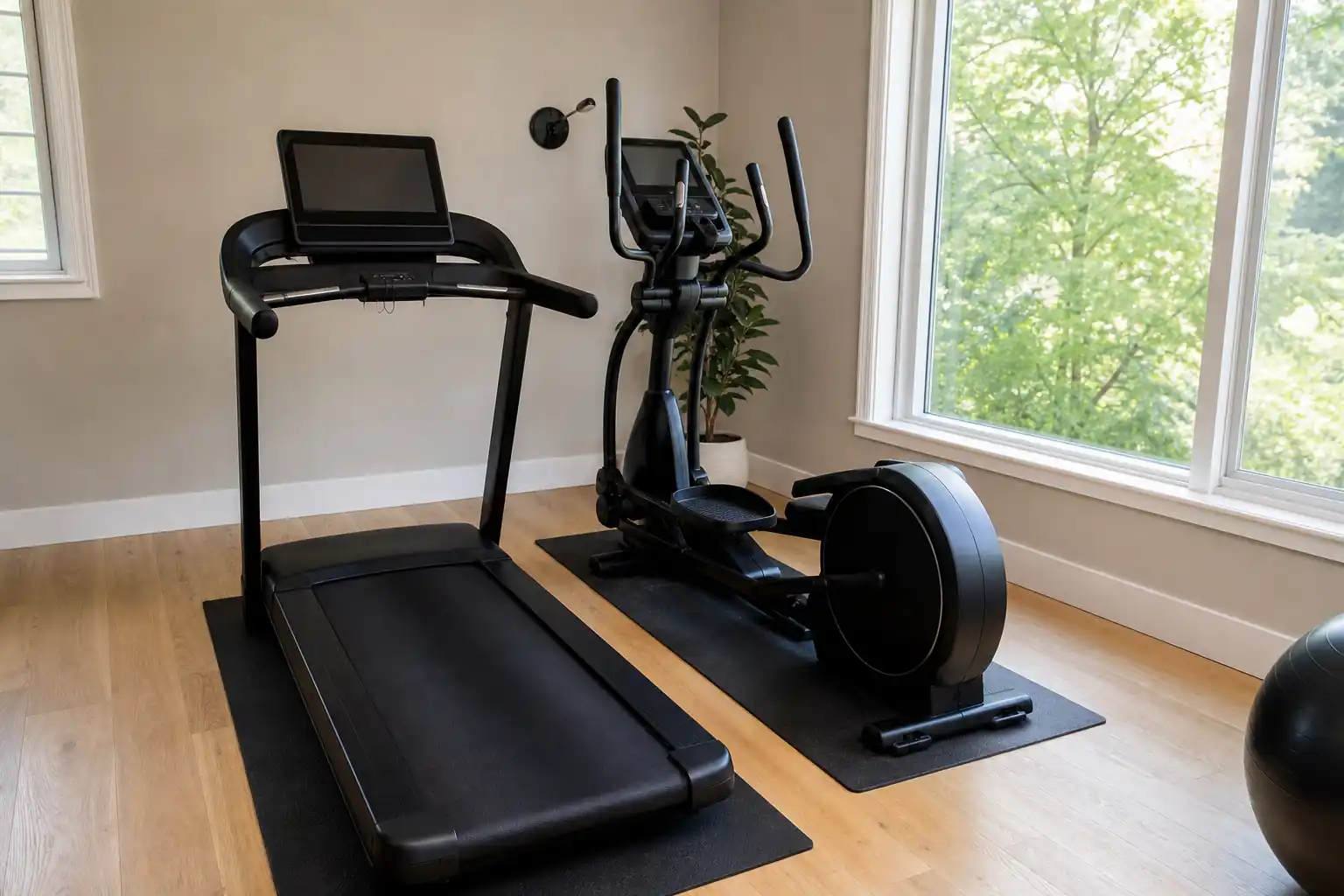
The treadmill and the elliptical are the two most common cardio machines in American homes and gyms, and they solve slightly different problems. A treadmill copies the way you already move: walking, jogging and running, with incline to make it harder. An elliptical keeps your feet on two pedals that travel in an oval path, so there is no landing shock, and most models add moving handles that bring the arms into the work.
This comparison covers what matters when you are choosing between them: calorie burn (with estimates you can check), weight loss, joint impact, the muscles each one trains, and how each machine fits a home. Since FitGearHQ tests treadmills, the product picks below are treadmills chosen for the readers this question usually comes from: people trying to lose weight and people protecting sore joints. If you already lean toward a treadmill, our treadmill buying guide walks through specs in more depth.
Treadmill vs Elliptical at a Glance
Both machines can give you a full cardio workout. The real differences are impact, how closely the movement matches real life, and how you scale intensity. A treadmill gets harder through speed and incline; an elliptical gets harder through resistance, stride rate and, on some models, a ramp.
Use the table as a quick filter, then read the sections on calories, weight loss and joints for the details behind each row.
| Criteria | Treadmill | Elliptical |
|---|---|---|
| Impact | Low when walking, higher when running (flight phase) | Low: feet stay on the pedals |
| Calorie burn at the same effort | Similar | Similar |
| Real-world carryover | Direct: walking, hiking, running, races | Indirect: general aerobic fitness |
| Upper body | Minimal (arm swing only) | Moving handles add arm and shoulder work |
| Weight-bearing loading | Yes, walking and running load the skeleton | Lower; weaker as weight-bearing exercise |
| How to add intensity | Speed and incline (some models add decline) | Resistance, stride rate, ramp on some models |
| Learning curve | None for walking; balance matters at speed | Short; the motion feels odd at first |
| Best for | Walkers, runners, incline training, race prep | Joint pain, injury cross-training, low-impact cardio |
Check Amazon for current pricing and availability.
Calorie Burn: Treadmill vs Elliptical
Which burns more calories depends on how hard you work, not on the machine. In a study that had untrained adults exercise for 15 minutes on each machine at the same rating of perceived exertion, energy expenditure was not different between the treadmill and the elliptical, even though heart rate ran higher on the elliptical. A study of trained runners at matched relative workloads also found similar oxygen uptake, heart rate and energy expenditure on a treadmill, an elliptical and a stepper.
For rough numbers, the 2024 Adult Compendium of Physical Activities assigns each activity a MET value, where 1 MET is about 1 calorie per kilogram of body weight per hour. Multiply MET by weight in kilograms and by hours, and you get an estimate. The table uses that formula for 30 minutes at two body weights. Real burn varies with fitness, technique and how accurately you set intensity, so treat these as estimates, not readouts.
The takeaway: a vigorous elliptical session and a steady run land in the same range, and both beat easy walking. A treadmill gives you one extra lever, incline, which raises effort at walking speed. Our best treadmill with incline guide covers models that reach 12% to 15%.
| Activity (Compendium MET) | 154 lb (70 kg) | 200 lb (90.7 kg) |
|---|---|---|
| Treadmill walk, 3.0 to 3.4 mph, 0% (3.8) | about 133 | about 172 |
| Treadmill walk, 3.5 to 3.9 mph, 0% (4.8) | about 168 | about 218 |
| Elliptical, moderate effort (5.0) | about 175 | about 227 |
| Running, 5.0 to 5.2 mph (8.5) | about 298 | about 385 |
| Elliptical, vigorous effort (9.0) | about 315 | about 408 |
| Running, 6.0 to 6.3 mph (9.3) | about 326 | about 422 |
Pro tip: Console calorie counts on both machines are estimates. Use the same machine and the same settings to track progress week to week, and do not compare one brand’s number with another’s.
Treadmill vs Elliptical for Weight Loss
Neither machine is better for weight loss on its own terms. The CDC notes that most weight loss comes from eating fewer calories, that losing weight with exercise alone takes a high amount of activity, and that regular physical activity is what helps keep weight off. That makes adherence the deciding factor: the machine you will use four or five times a week beats the one you dread.
A treadmill has two practical advantages for weight loss. Brisk walking is easy to start at any fitness level, and incline lets you raise effort without running. The CDC’s adult guidelines call for at least 150 minutes of moderate activity such as brisk walking, or 75 minutes of vigorous activity such as running, plus 2 days of muscle strengthening each week. Incline walking covers the first target well.
An elliptical has its own edge: if extra body weight makes walking or running uncomfortable, the low-impact motion can let you do longer sessions with less soreness. If you choose a treadmill for weight loss, prioritize a sturdy frame, a weight rating with headroom, a 20 × 60-inch deck and power incline. Our best treadmill for weight loss and best treadmill for heavy people guides rank models on those points.
- Pick the treadmill if you like walking, want incline workouts or may start jogging later.
- Pick the elliptical if walking hurts your joints, or you want longer sessions at low impact.
- Either way, pair cardio with food changes and strength training, and track weekly minutes rather than single-session calories.
Joint Impact: Which Is Easier on Knees, Hips and Back?
The elliptical is the lower-impact machine. One gait analysis found average weight-bearing of about 73% of body weight on the elliptical, versus 112% in walking, 175% in treadmill jogging and 201% in overground jogging. Another found smaller vertical forces and loading rates during elliptical exercise than in level walking, the reason the Arthritis Foundation describes ellipticals as easy on the joints.
Low impact does not mean low knee demand. The same study found greater knee extensor and hip flexor moments on the elliptical, and a study of runners noted that knee motion on a lateral elliptical could aggravate anterior knee pain. If your knees hurt on stairs or in deep bends, the elliptical may not feel as easy as you expect, and a physical therapist can help you choose.
Walking on a treadmill is a moderate-impact middle ground. A cushioned deck, a long belt that lets you take a natural stride, and incline walking instead of running all help. Our best treadmill for bad knees and best cushioned treadmill guides compare decks, and the treadmill cushioning guide explains how deck systems work. These three picks pair cushioning with long, stable decks.
Best for Sore Knees

NordicTrack T Series 16
FitScore 84.4/100
SelectFlex cushioning you can set firmer or softer, a 20 × 60-inch deck and 0–12% incline for low-speed effort. iFIT classes need a membership. Read our review.
Ranked in our Best Treadmill for Bad Knees guide
Check Price on AmazonBest Cushioning Alternative
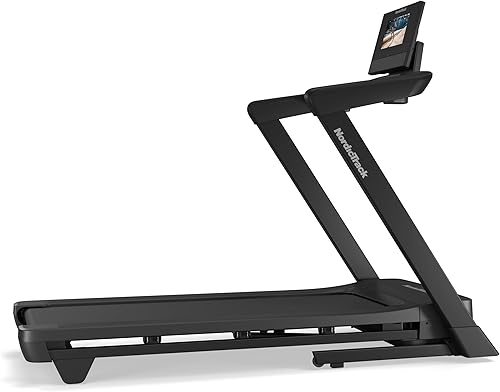
NordicTrack T Series 10
FitScore 87.3/100
The same adjustable SelectFlex cushioning with a 3.0 HP motor, a 20 × 60-inch deck, 0–12% incline and a 10-inch touchscreen. Read our review.
Ranked in our Best Cushioned Treadmill for Walking guide
Check Price on AmazonBest Wide Deck

Horizon 7.4 AT
FitScore 82.6/100
A 22 × 60-inch deck with 3-zone cushioning, 0–15% incline and lifetime frame and motor coverage, without a required membership. Read our review.
Ranked in our Best Treadmill for Bad Knees guide
Check Price on AmazonMuscles Worked and Fitness Carryover
A treadmill trains the exact pattern you use every day. Walking and running load the legs, hips and skeleton, which is why the Arthritis Foundation notes that the elliptical is weaker as weight-bearing exercise than walking or running and suggests adding strength work if it is your main machine. If you plan to run a 5K, hike or simply walk farther outdoors, a treadmill transfers directly. Runners can browse our best treadmill for running picks.
An elliptical spreads the work differently. Moving handles add pushing and pulling for the arms, and pedaling backward shifts emphasis toward the hamstrings. In trained runners, leg muscle activity on the elliptical and stepper was lower than in treadmill running, except for the quadriceps, which is why runners use it to keep fitness while limiting impact during injury recovery.
Long-term fitness gains are similar when the dose is equal. A 12-week program in moderately active women produced similar aerobic improvements with treadmill running, an elliptical trainer and a stair climber when training volume and intensity were matched.
Home Fit: Space, Noise, Upkeep and Features
Footprint is closer than many buyers expect. A full-size treadmill with a 60-inch deck takes a long rectangle of floor and needs clear space behind it, but many models fold. Ellipticals vary widely in length and many do not fold, and because your feet ride above the floor on the pedals, check ceiling height on either machine before you buy. Our best folding treadmill and best treadmill for small spaces guides list dimensions for each pick.
Noise follows impact. Running on a treadmill creates footfall noise and motor hum that carries to the floor below, while an elliptical stroke is usually quieter because nothing lands. If you live in an apartment and still want a treadmill, walking sessions on a quiet, well-damped model work for most households; see the best quiet treadmill for apartments guide.
Upkeep favors the elliptical slightly: no belt to center or deck to lubricate. A treadmill needs periodic belt checks and silicone lubrication, covered in our treadmill maintenance guide. Warranty coverage varies by brand, so check the current terms on each product page.
Which Should You Choose?
Match the machine to your body and goal. Most people who ask this question fall into one of the profiles below, and for several of them the answer is a treadmill used mostly for incline walking.
- You want to lose weight and like walking: treadmill. Brisk incline walking is easy to sustain and scales with fitness. Start with our weight-loss picks.
- Your knees, hips or back hurt with impact: elliptical, or a cushioned treadmill used for walking only. Ask a physical therapist if pain is ongoing.
- You run or plan to race: treadmill. Running fitness is specific, and a strong running deck matters; see the marathon training guide.
- You are recovering from a running injury: elliptical as a bridge, with your clinician’s approval, then return to the treadmill gradually.
- You want a full-body cardio session in one machine: elliptical with moving handles.
- You are a beginner or an older adult who wants simple, familiar exercise: treadmill with long handrails and low starting speeds; see the best treadmill for seniors guide.
Best for Weight Loss

XTERRA Sport Series TR75
FitScore 80.8/100
A 3 HP motor, 20 × 60-inch deck, 0–12% incline, 350-lb rating and 18 programs, with lifetime frame and motor coverage. Read our review.
Ranked in our Best Treadmill for Weight Loss guide
Check Price on AmazonBest for Incline Walking
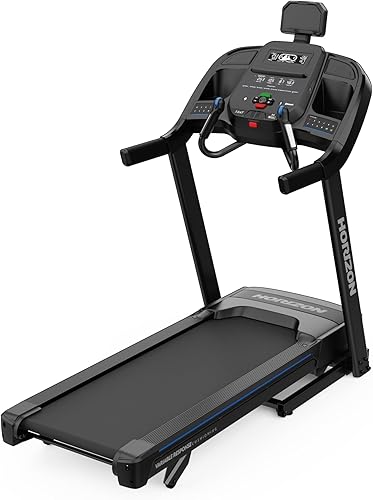
Horizon 7.0 AT
FitScore 81.6/100
QuickDial controls change speed and 0–15% incline fast, on a 20 × 60-inch deck with 3-zone cushioning; works with third-party apps. Read our review.
Ranked in our Best Treadmill for Weight Loss guide
Check Price on AmazonBest Stability

Sole F65
FitScore 78.9/100
A wide 22 × 60-inch deck, up to 15% incline, a 350-lb rating and lifetime frame and motor coverage for steady daily use. Read our review.
Ranked in our Best Treadmill for Weight Loss guide
Check Price on AmazonHow to Make a Treadmill Gentler on Your Joints
If you want treadmill carryover but worry about impact, adjust how you use it before you switch machines. Walking at an incline raises effort without the landing forces of running, and the Compendium rates uphill walking at 6% to 10% grade at 7.0 METs, well above flat walking. Build time first, then grade, then speed.
Keep sessions progressive. The Arthritis Foundation suggests starting with 5 to 10 minutes and building toward 30, advice that applies on either machine. Wear supportive shoes, use the handrails for balance rather than support, and stop if pain changes how you walk. For more model options, see our bad-knees guide and walking treadmill picks.
- Start flat at an easy pace for 5 minutes, then add 1% to 2% incline at a time.
- Choose incline walking over running on sore-joint days.
- Add two strength sessions a week, as the CDC guidelines recommend.
Watch out: If you have arthritis, a recent joint replacement or ongoing pain, ask your doctor or a physical therapist which machine and settings fit your condition before you start.
Checklist Before You Choose
- Decide your main goal: weight loss, running, joint comfort or general fitness.
- Test both motions if you can; note any knee or hip discomfort.
- Measure floor length, width and ceiling height in your workout space.
- For a treadmill, look for a 20 × 60-inch deck if you will jog or run.
- Check weight capacity and leave headroom above your body weight.
- Confirm incline range; 10% or more adds a lot of walking options.
- Look at cushioning if joints are your concern.
- Check whether the console needs a paid membership for classes.
- Read the current warranty terms on the product page.
Common Mistakes to Avoid
- Choosing by console calorie numbers, which are estimates and differ by brand.
- Assuming low impact means low knee demand on an elliptical.
- Buying a short-deck treadmill for running.
- Leaning on the rails, which makes workouts easier than the console suggests.
- Expecting exercise alone to drive weight loss without food changes.
- Skipping strength training when the elliptical is your only exercise.
The Bottom Line
- At the same perceived exertion, treadmill and elliptical workouts produced similar energy expenditure in a controlled study.
- A 154-lb adult burns an estimated 175 calories in 30 minutes of moderate elliptical work and about 326 running at 6 mph, based on Compendium MET values.
- The elliptical keeps both feet on the pedals, so loading rates are lower than in walking; running adds a flight phase and higher impact.
- A treadmill transfers directly to walking, hiking and running outdoors; an elliptical adds moving handles for the upper body.
- For weight loss, calorie intake and weekly consistency matter more than the machine you pick.
Our Top Picks
 Best for Sore KneesNordicTrack T Series 16FitScore84.4/100Check on Amazon
- Best Cushioning AlternativeNordicTrack T Series 10FitScore87.3/100Check on Amazon
- Best Wide DeckHorizon 7.4 ATFitScore82.6/100Check on Amazon
- Best for Weight LossXTERRA Sport Series TR75FitScore80.8/100Check on Amazon
- Best for Incline WalkingHorizon 7.0 ATFitScore81.6/100Check on Amazon
- Best StabilitySole F65FitScore78.9/100Check on Amazon
Frequently Asked Questions
At the same effort, they burn about the same. A study at equal perceived exertion found no difference in energy expenditure; running and vigorous elliptical work both land around 300 to 330 calories per 30 minutes for a 154-lb adult, by Compendium estimates.
Neither is better by itself. Weight loss depends mostly on calorie intake and on how consistently you exercise, so pick the machine you will use most. A treadmill with incline suits walkers; an elliptical suits people with impact-sensitive joints.
Often, because it removes landing impact. It still asks a lot of the knee extensors, so if bending or stairs hurt, try a cushioned treadmill at a walking pace and ask a physical therapist.
It can maintain aerobic fitness, which is why injured runners use it, but it does not train running-specific form or impact tolerance. Return to running gradually on a treadmill or outdoors.
For aerobic fitness, yes, when the intensity is similar. A 12-week study found similar fitness gains with treadmill, elliptical and stair-climber training at matched volume and intensity.
You cannot target fat loss in one area with either machine. Overall calorie balance, regular activity and strength training drive changes in body fat.
A treadmill used for walking is familiar and supports balance with long handrails; an elliptical is gentler if joints hurt but the motion can feel unsteady at first. Try both and start slowly.
Explore More Treadmill Guides and Comparisons
Best Treadmill for Weight Loss (2026): 5 Cardio-Focused Picks
Best Treadmill for Bad Knees: 5 Picks for a Comfortable Home Workout
Best Cushioned Treadmill for Walking (2026): Top 5 Picks
Best Treadmill for Cardio (2026): 5 Strong Home Picks
Treadmill Buying Guide (2026): How to Choose the Right Home Treadmill
Horizon 7.0 AT vs 7.4 AT (2026): Which Horizon Should You Buy?
This article contains affiliate links. If you click through and make a purchase, we may earn a small commission at no extra cost to you. As an Amazon Associate, we earn from qualifying purchases. We do not show prices because they change constantly: product details and availability can change at any time, so please check the current price and details directly on Amazon. Learn more. Amazon and the Amazon logo are trademarks of Amazon.com, Inc. or its affiliates.
