

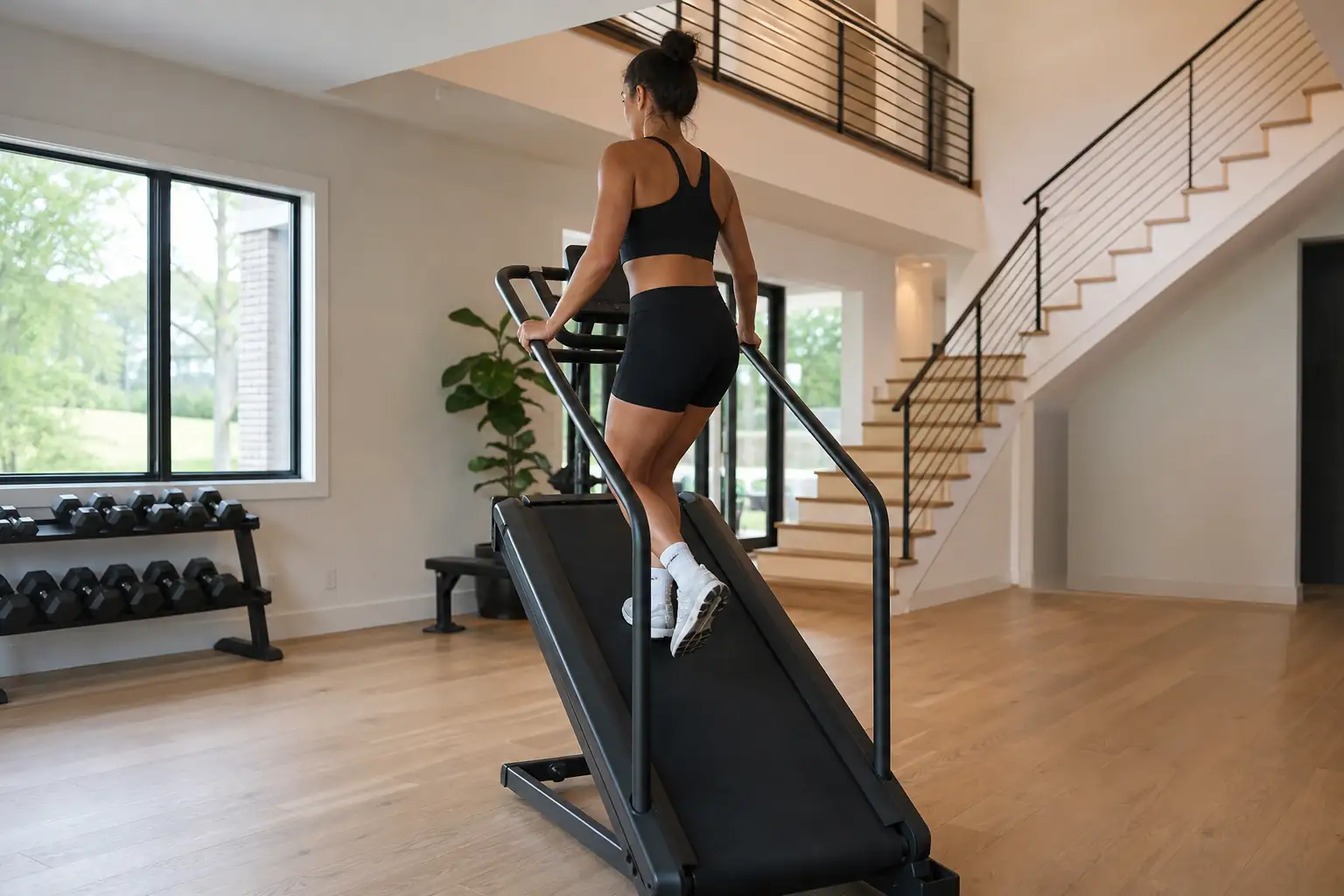
Short answer
Choose a StairMaster-style stair climber if you want the most work per minute and a hard glute and quad burn. Choose a treadmill if you want one machine for walking, running and hill training at home. A steep incline treadmill gets close to stair climbing in effort while being easier to fit, start on and keep using.
Key takeaways
- A stair climber rates 9.3 METs, about the same as running at 6 mph.
- Steep treadmill walking at 11% to 20% grade comes close, at 8.8 METs.
- Stair climbing works quads and glutes hard but loads the knees heavily.
- A treadmill is more versatile and far easier to own at home.
- Incline trainers reaching 25% to 45% are the closest home stand-in for stairs.
- Pick the machine you will use consistently, and add strength training.
StairMaster is a brand, but most people use the name for any stair climber or stepmill, the machine with a revolving staircase you climb in place. It is the gym’s hardest-feeling cardio for many people, and it has a direct rival in the incline treadmill, especially since steep walking workouts took over social media.
This comparison covers calorie burn with estimates you can check, how an incline treadmill stacks up against a stair climber, the muscles each one trains, what each does to your knees, and which is realistic for a home. FitGearHQ tests treadmills, so the product picks below are incline treadmills and steep incline trainers that suit readers who want stair-like effort at home. For a broader look at incline specs, see our best treadmill with incline guide.
Treadmill vs StairMaster at a Glance
A stair climber gives you one movement, vertical stepping, at a high cost per minute. A treadmill gives you many: flat walking, incline walking, jogging, running and intervals. The table compares them on the points that usually decide the purchase or the gym habit.
| Criteria | Treadmill (with incline) | StairMaster / stair climber |
|---|---|---|
| Work per minute | Moderate flat; high at steep incline or running pace | High at most step rates |
| Main muscles | Calves, quads, hamstrings, glutes; more glutes and hamstrings with incline | Quads and glutes, with calves |
| Impact | Low walking, higher running | Low: no flight phase, ascent only |
| Knee demand | Moderate when walking | High: deep, repeated knee bends under load |
| Versatility | Walk, hike, run, intervals, race training | One movement pattern |
| Beginner friendly | Very: start flat and slow | Harder: even slow speeds feel tough |
| Home availability | Wide range of models and sizes | Few home models; tall and heavy |
| Best for | Most home users, walkers, runners, hikers | Gym users chasing efficient, hard cardio |
Check Amazon for current pricing and availability.
Calorie Burn: StairMaster vs Treadmill
Minute for minute, a stair climber is one of the most demanding machines in the gym. The 2024 Adult Compendium of Physical Activities lists a stair treadmill ergometer at 9.3 METs, equal to running at 6 to 6.3 mph and nearly double brisk flat walking at 4.8 METs. One MET is about 1 calorie per kilogram per hour, so you can estimate burn by multiplying MET by body weight in kilograms and by hours.
The treadmill closes most of the gap with grade. The Compendium has no entry for incline treadmill walking, so the closest proxies are its hill-climbing values: 7.0 METs at 6% to 10% grade and 8.8 METs at 11% to 20% grade. That makes a steep treadmill walk nearly as costly as stair climbing, without running.
At matched relative workloads, trained runners showed similar oxygen uptake and energy expenditure on a treadmill, an elliptical and a stepper, so the machine matters less than how hard you push. The estimates below are for 30 minutes; your real burn depends on fitness, pace and whether you hold the rails. Our best treadmill for weight loss guide favors models with strong incline motors.
| Activity (Compendium MET) | 154 lb (70 kg) | 200 lb (90.7 kg) |
|---|---|---|
| Treadmill walk, 3.5 to 3.9 mph, 0% (4.8) | about 168 | about 218 |
| Stair climbing, slow pace (4.5) | about 158 | about 204 |
| Uphill walking, 6% to 10% grade (7.0) | about 245 | about 317 |
| Uphill walking, 11% to 20% grade (8.8) | about 308 | about 399 |
| Stair treadmill ergometer, general (9.3) | about 326 | about 422 |
| Running, 6.0 to 6.3 mph (9.3) | about 326 | about 422 |
Pro tip: Leaning on the handrails takes body weight off your legs on both machines, so the workout is easier than the console suggests. Use a light touch for balance and slow down instead of hanging on.
Incline Treadmill vs StairMaster: The Real Matchup
Most people asking this question already own or use a treadmill and want to know if steep walking is as good as stairs. For effort, it can be close: hill walking at 11% to 20% grade rates 8.8 METs versus 9.3 for a stair climber in the Compendium. The popular 12-3-30 workout (12% incline, 3 mph, 30 minutes) sits in that steep-walking range and is a sensible template if you build up to it.
The motion is different. Stairs are far steeper than any treadmill grade, so each step is a bigger knee and hip bend, which loads the quads and glutes harder. A treadmill at 12% to 15% feels more like a long hill: smaller steps, more calf and hamstring work and an easier rhythm to hold for 30 to 60 minutes. Incline trainers that reach 25% to 45% bridge the gap and feel closer to a steep trail; our best incline trainer guide ranks them.
If you want stair-like climbing at home, these incline trainers go well beyond the 15% of most full-size treadmills.
Steepest Incline

Sunny Health & Fitness SF-X7210
FitScore 63.4/100
Auto incline to 45% plus 3% decline on a 20 × 51-inch deck, tuned for steep walking up to 5 mph. Not for running and does not fold. Read our review.
Ranked in our Best Incline Trainer guide
Check Price on AmazonBest All-Round Incline Trainer

ECHANFIT CTM5518
FitScore 81.7/100
A 20% auto incline with a 4.5 HP motor and up to 12 mph, so it handles both steep walks and runs; rated for 500 lb with 1-year coverage.
Ranked in our Best Incline Trainer guide
Check Price on AmazonBest Compact Climber

CURSOR X5FD 40% Incline Treadmill
FitScore 65.4/100
Five manual settings up to 40% on a light folding frame, with long handrails and a 0.6 to 6.2 mph range. The belt is small, so it suits walking only.
Ranked in our Best Incline Trainer guide
Check Price on AmazonFitness, Glutes and Leg Results
Both machines build aerobic fitness. In active college women, 9 weeks of stair-climber training raised VO2max by 12% and cut 2,414-meter run time by 8%, while run training improved them by 16% and 11%. A 12-week study found similar fitness gains with treadmill running, elliptical and stair-climber training when volume and intensity were matched. Even short efforts work: 3 bouts of 20-second all-out stair climbing, 3 days a week for 6 weeks, improved peak oxygen uptake in sedentary women.
The specificity rule still applies. If your goal is running, the treadmill wins because the stair climber did not match running in the study above. If your goal is hiking, the incline treadmill and the stair climber both prepare you for climbs, and the treadmill also covers the flat and rolling miles. Hikers and walkers can compare picks in our best treadmill for walking guide.
For glutes and quads, the stair climber has the edge because of the deep step. A study of trained runners found quadriceps activity on a stepper similar to running, while other leg muscles worked less. Neither machine replaces strength training for muscle growth; the CDC recommends 2 days of muscle strengthening each week on top of cardio.
Knees, Hips and Joint Load
A stair climber is low impact but not low load. Using an instrumented knee implant, researchers found that knee compressive load was highest during stair ascent and descent among the daily activities they tested, higher than walking. A stair climber only asks you to go up, which removes the descent, but each step is still a deep bend under full body weight.
Incline walking uses smaller knee bends than stair stepping, which some people with sore knees find more comfortable. Running on a treadmill adds landing impact, which you can avoid by keeping incline sessions at walking speed. A cushioned deck and a long, wide belt help too; see our best treadmill for bad knees guide and the treadmill cushioning guide.
Steep incline also stretches the calves more on every step. Raise it in small steps, keep sessions short at first, and back off if pain changes how you move. If you have arthritis, the Arthritis Foundation suggests a session with a physical therapist or trainer to learn proper form.
Watch out: If you have knee arthritis, kneecap pain or a recent joint surgery, ask your doctor or physical therapist before using a stair climber or a steep incline, and start with short, easy sessions.
Home Fit: Space, Ceiling Height and Noise
This is where the treadmill wins for most homes. Revolving-stair machines are tall, heavy and built mainly for gyms, so there are few home models. A treadmill comes in every size, from folding decks to commercial-grade frames; our best folding treadmill and best treadmill for apartments guides list footprints.
Height matters for both. A stair climber lifts you well above the floor, and a treadmill at full incline raises the front of the deck; CURSOR lists about 15 inches of deck height at the X5FD’s top setting. Add your height and a few inches of head clearance before you buy, and check our best treadmill for low ceilings guide if your space is tight.
For noise, incline walking is one of the quietest ways to use a treadmill, because there is no running footfall. Most noise comes from the motor and the incline lift. If you share walls or floors, the best quiet treadmill guide compares models.
Which Should You Choose?
For a gym session, use whichever you will push hardest on. For a home purchase, an incline treadmill is the better fit for nearly everyone, with a steep incline trainer as the closest home substitute for a stair climber.
- You want maximum effort in minimum time: stair climber at the gym, or steep incline intervals on a treadmill at home; see our HIIT treadmill picks.
- You want stronger glutes and quads from cardio: stair climber, plus strength training.
- You are training for hiking: incline treadmill or incline trainer, with occasional stair work.
- You run or want to start: treadmill; see the best treadmill for running guide.
- You are a beginner or returning to exercise: treadmill, starting flat and adding incline over weeks.
- You want to lose weight: either works; pick the one you will do most often. Our weight-loss picks favor strong incline.
- Your knees dislike stairs: incline walking on a cushioned treadmill.
Best Incline Treadmill

Sole F89
FitScore 90/100
A 15% incline and 6% decline on a 22 × 60-inch deck with a 4 HP motor and a 375-lb rating, plus lifetime frame and motor coverage. Read our review.
Ranked in our Best Treadmill With Incline guide
Check Price on AmazonBest Traditional Pick

Sole F65
FitScore 87.7/100
Up to 15% incline on a wide 22 × 60-inch deck with a 3 HP motor and a 350-lb rating, for steady daily hill walks. Read our review.
Ranked in our Best Treadmill With Incline guide
Check Price on AmazonBest Value Incline

XTERRA Sport Series TR75
FitScore 85.5/100
A 0–12% incline, 20 × 60-inch deck, 3 HP motor and 350-lb rating with lifetime frame and motor coverage; folds for storage. Read our review.
Ranked in our Best Treadmill With Incline guide
Check Price on AmazonSample Workouts: Stair Climber and Incline Treadmill
Use these as starting points and adjust to how you feel. On either machine, warm up for 5 minutes at an easy pace, keep a light touch on the rails and cool down at the end. Move up a level only when the current one feels manageable for two or three sessions in a row.
| Level | Incline treadmill | Stair climber |
|---|---|---|
| Beginner | 20 min at 2.5 to 3 mph, rising from 2% to 6% incline | 5 to 10 min at a slow step rate, rest, repeat 2 times |
| Intermediate | 30 min at 3 mph, 8% to 12% incline (12-3-30 style) | 15 to 20 min steady at a moderate step rate |
| Advanced | 6 rounds: 2 min at 12% to 15%, 2 min at 3% to 5% | 6 rounds: 1 min fast, 1 min slow |
| Joint-friendly | 30 min at 3 mph, 4% to 6% incline on a cushioned deck | Skip or keep to short, slow bouts |
Checklist Before You Choose
- Decide whether you want one movement (stairs) or many (walk, hike, run).
- Check your knees on a few minutes of each machine at the gym.
- For home, measure ceiling height and add your height plus clearance.
- Look for at least 12% to 15% incline on a treadmill if stair-like effort is the goal.
- Consider an incline trainer if you want 25% to 45% grades.
- Confirm the weight rating has headroom above your body weight.
- Check whether incline is motorized or set by hand.
- Read the current warranty terms on the product page.
Common Mistakes to Avoid
- Holding the rails tightly, which makes either workout easier than it looks.
- Jumping to maximum incline in week one instead of adding grade gradually.
- Expecting a stair climber to build running fitness as well as running does.
- Buying a home stair machine without checking ceiling height.
- Treating cardio as a replacement for strength training.
- Ignoring knee pain that changes how you step.
The Bottom Line
- The Compendium of Physical Activities rates a stair treadmill ergometer at 9.3 METs, the same as running at 6 mph.
- Uphill walking at 11% to 20% grade rates 8.8 METs, close to stair climbing and nearly double flat brisk walking.
- Nine weeks of stair-climber training improved aerobic capacity and run times in active women, though run training improved them more.
- Stair ascent and descent produce the highest knee compressive loads among daily activities in an instrumented-knee study.
- Home stair climbers are rare and tall; incline treadmills and incline trainers are the practical home alternative.
Our Top Picks
 Steepest InclineSunny Health & Fitness SF-X7210FitScore63.4/100Check on Amazon
- Best All-Round Incline TrainerECHANFIT CTM5518FitScore81.7/100Check on Amazon
- Best Compact ClimberCURSOR X5FD 40% Incline TreadmillFitScore65.4/100Check on Amazon
- Best Incline TreadmillSole F89FitScore90/100Check on Amazon
- Best Traditional PickSole F65FitScore87.7/100Check on Amazon
- Best Value InclineXTERRA Sport Series TR75FitScore85.5/100Check on Amazon
Frequently Asked Questions
For calories per minute and glute and quad work, a stair climber usually wins. For versatility, running, beginners and home use, a treadmill is better, and a steep incline gets close on effort.
Close. The Compendium rates hill walking at 11% to 20% grade at 8.8 METs versus 9.3 for a stair treadmill, so a steep treadmill walk burns nearly as much. Stairs still load the quads and glutes more.
Than flat walking, yes, roughly double per minute. Against running at 6 mph or steep incline walking, the difference is small.
The stair climber, because each step is a deeper hip and knee bend. Steep incline walking also works the glutes, and strength training builds them most.
Not for everyone, but stair climbing produces high knee loads. If stairs hurt, choose incline walking on a cushioned treadmill and ask a physical therapist.
Stair climbing is hard, so 10 to 20 minutes is a common session. Incline treadmill walks often run 30 to 45 minutes. Toward the CDC goal of 150 moderate minutes a week, both count.
It is gentler and easier to sustain, and it suits beginners and people with knee concerns. The stair climber is more intense per minute.
Explore More Treadmill Guides and Comparisons
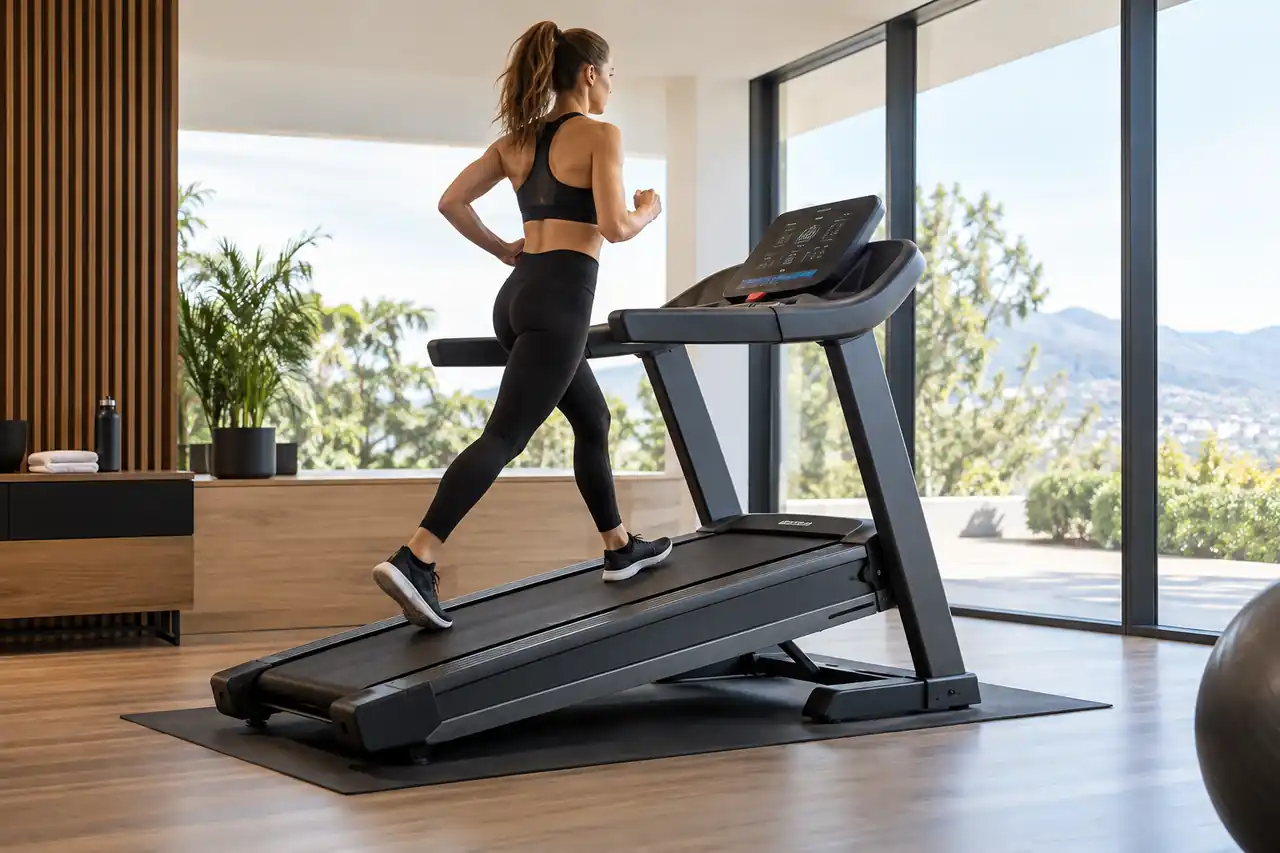
Best Treadmill With Incline (2026): Top 5 Picks
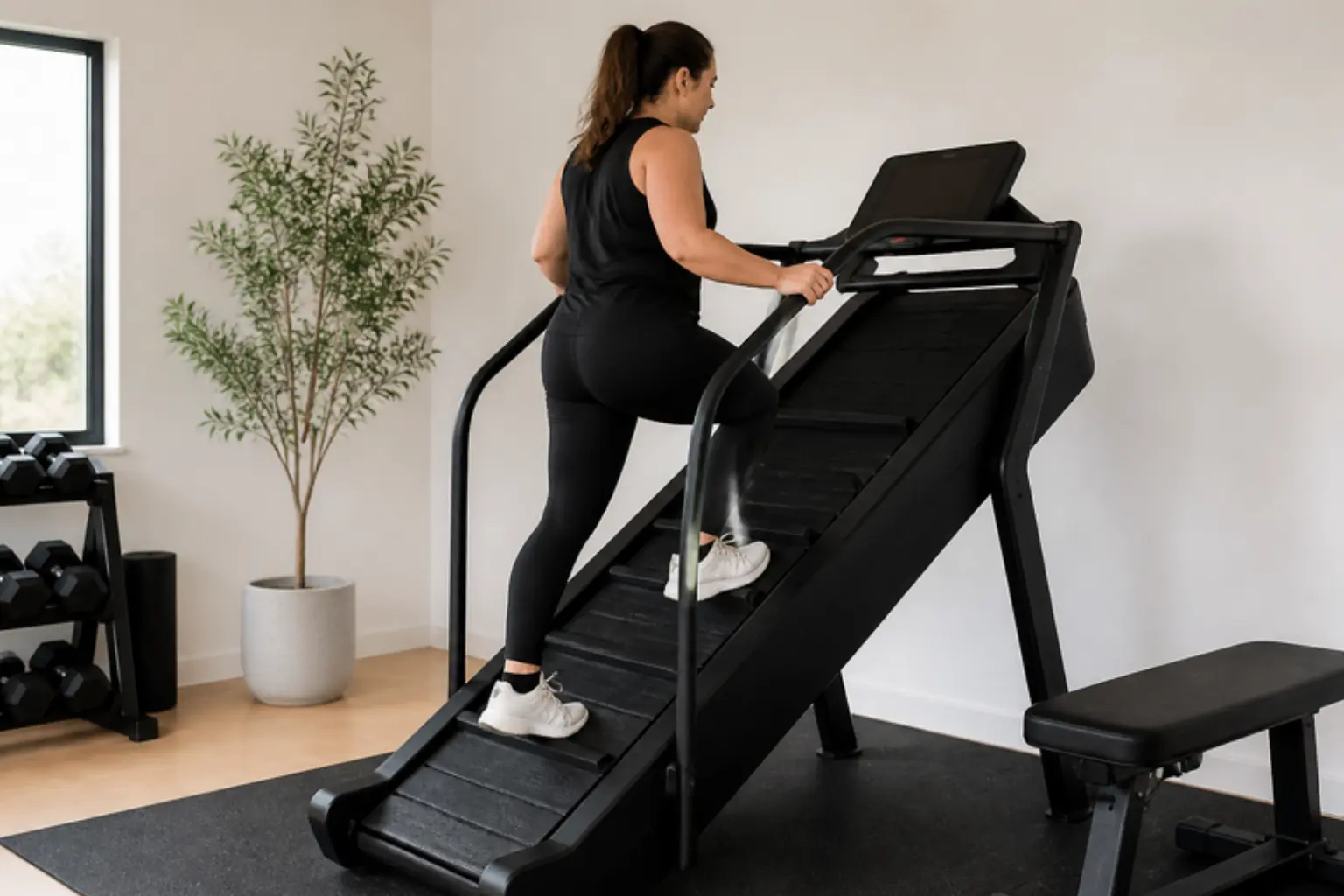
Best Incline Trainer (2026): 5 Steep-Incline Picks for Home
Best Treadmill for Weight Loss (2026): 5 Cardio-Focused Picks
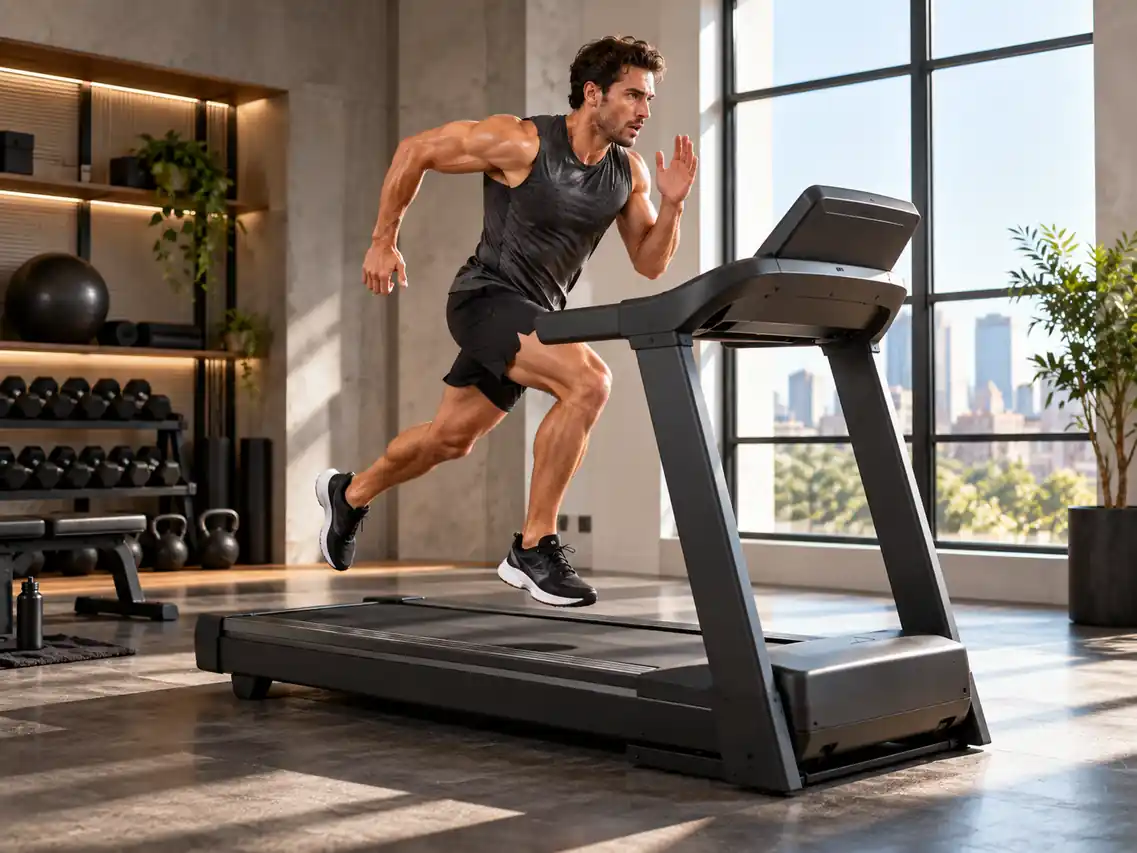
Best Treadmill for HIIT (2026): 5 Interval-Ready Picks
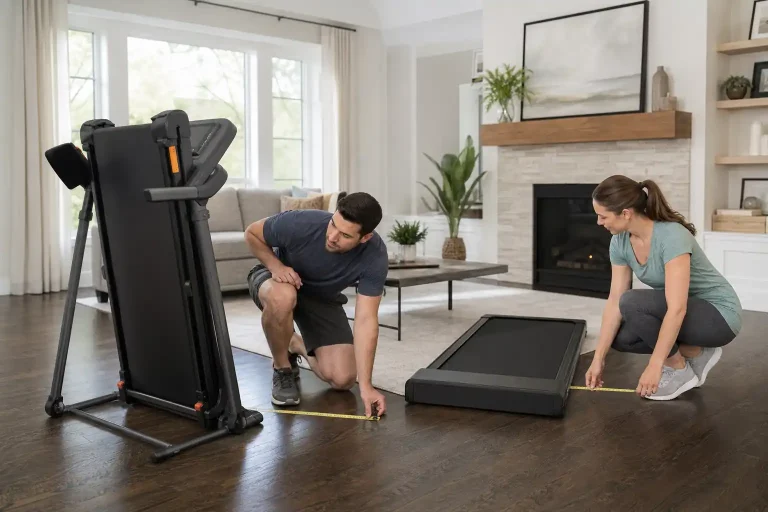
Treadmill Buying Guide (2026): How to Choose the Right Home Treadmill
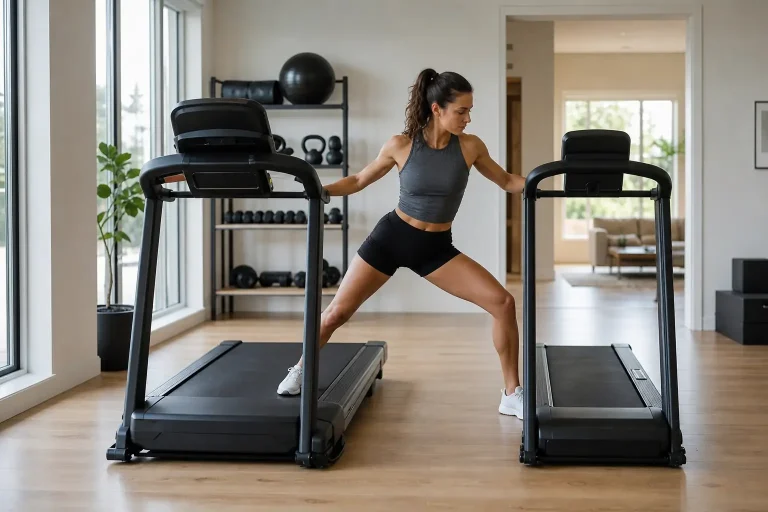
Horizon 7.0 AT vs 7.4 AT (2026): Which Horizon Should You Buy?
This article contains affiliate links. If you click through and make a purchase, we may earn a small commission at no extra cost to you. As an Amazon Associate, we earn from qualifying purchases. We do not show prices because they change constantly: product details and availability can change at any time, so please check the current price and details directly on Amazon. Learn more. Amazon and the Amazon logo are trademarks of Amazon.com, Inc. or its affiliates.
