

Yoga mat thickness at a glance
Most people are best served by 4 to 6 mm of a dense material.
The figures that matter, from our pool of yoga mats. Details below.
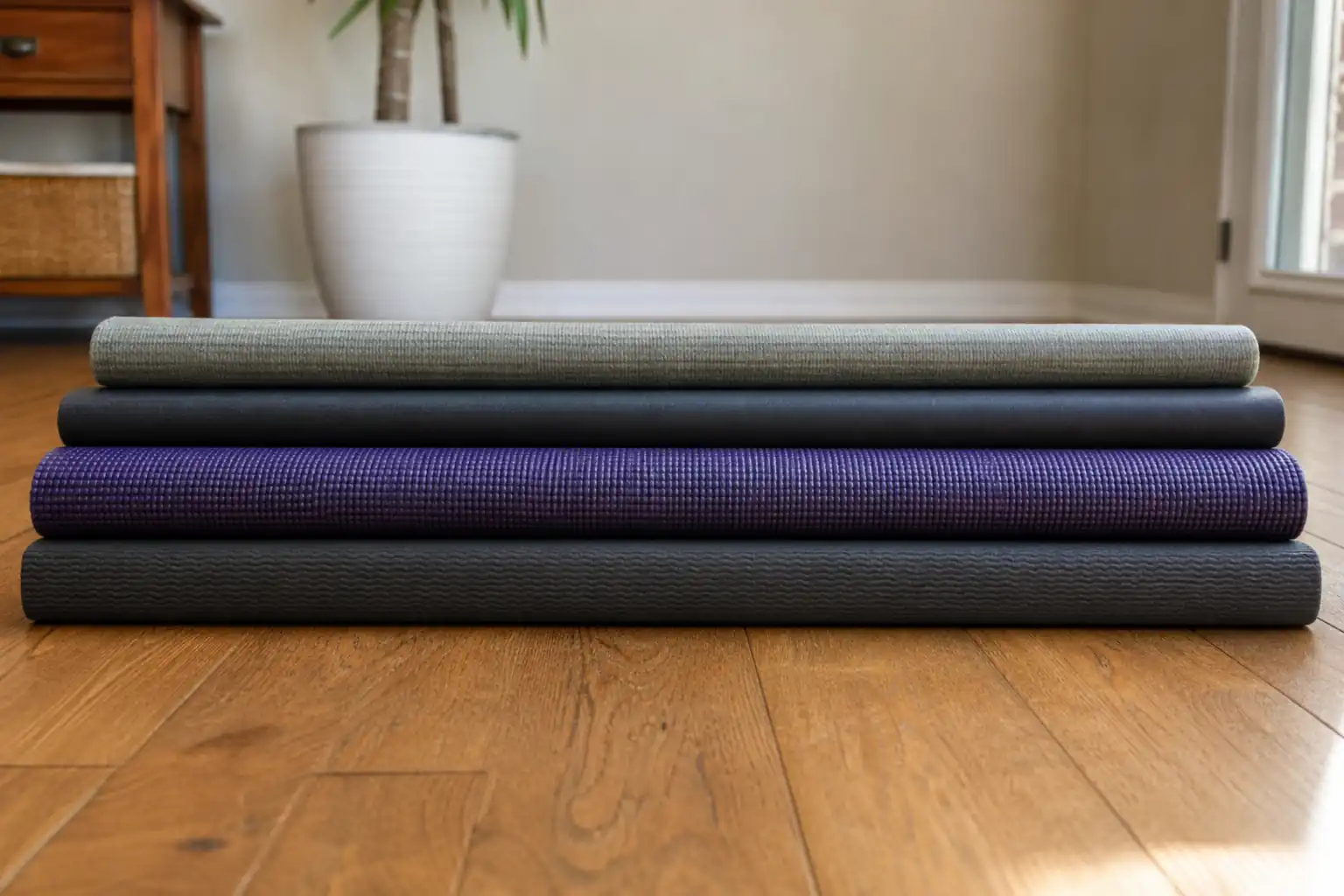
Short answer
Yoga Mat Thickness: About 4 to 6 mm suits most yoga practices: enough cushion for knees and wrists, firm enough for standing balances. Travel mats are 1.5 to 2.5 mm; floor work and pilates mats are 10 to 12.7 mm.
Key takeaways
- 4 to 6 mm suits most practices.
- Density matters as much as thickness.
- Travel mats are 1.5 to 2.5 mm; floor mats 10 mm or more.
- Tall users need 71 to 72 in of length.
To pick a mat once you know the thickness, start with our best yoga mats.
Yoga Mat Thickness: How Thick Should a Yoga Mat Be?
Thickness is a trade-off between cushion and stability. The thinner the mat, the more you feel the floor and the steadier you are in balances; the thicker it is, the softer under knees and wrists, and the more your feet sink in tree pose.
| Thickness | Feels like | Best for | Mats in our pool |
|---|---|---|---|
| 1.5 to 2.5 mm | The floor, with grip on top | Travel, a layer over a studio mat | 5 |
| 3 to 4.5 mm | Firm, close to the floor | Vinyasa, balances, hot yoga | 4 |
| 5 to 6 mm | Cushioned and stable | Most practices, sensitive knees | 6 |
| 10 to 12.7 mm | Soft, you sink in | Floor work, pilates, stretching | 3 |
Check Amazon for current pricing and availability.
Thickness Is Not the Whole Story: Density
Two mats of the same thickness can feel very different. A dense 6 mm PVC or rubber mat spreads your weight and springs back; a light 6 mm foam mat compresses under a knee and lets your hand sink in down dog. That is why our FitScore rates cushion on thickness and density together, with density worked out from the weight and size of the mat.
- Light mats: PVC mats in our pool weigh about 3.3 lb at the median.
- Dense mats: polyurethane-over-rubber mats weigh about 5.5 lb at the median, most of it in the natural rubber base.
- Rule of thumb: at the same thickness, the heavier mat cushions better and wobbles less.
Thickness by Type of Practice
- Vinyasa and power yoga: 3 to 5 mm, firm and grippy, for fast transitions.
- Hot yoga: 3.5 to 5 mm with a wet-grip top; see our best hot yoga mats.
- Hatha, yin and restorative: 5 to 6 mm for long holds on the floor.
- Sensitive knees: 6 mm of a dense material; see our best thick yoga mats.
- Pilates and floor exercises: 10 mm or more of foam.
- Travel: 1.5 to 2.5 mm that folds; see our best travel yoga mats.
Yoga Mat Size: Length and Width
Length matters as much as thickness for tall users. Lie on your back with arms overhead, or take a long down dog: hands and feet should stay on the mat.
| Your height | Mat length | Width |
|---|---|---|
| Up to 5 ft 9 in | About 68 in (standard) | 24 in |
| 5 ft 10 in to 6 ft 2 in | 71 to 72 in | 24 to 26 in |
| Over 6 ft 2 in | 79 in or more (long versions) | 26 in or more |
Thick Mats, Knees and Safety
A thicker mat makes kneeling more comfortable, but it does not fix a painful knee. The National Center for Complementary and Integrative Health notes that yoga is generally safe when practiced properly, and advises talking with a health provider about a health condition before starting. Folding the end of the mat under the knees, or adding a pad, often helps more than a thicker mat everywhere. The CDC adult guidelines include muscle-strengthening activity twice a week, and yoga can count toward it.
Yoga Mats to Start With
Three picks from our rankings, one for each common thickness need.
Best all-round thickness

Gaiam Performance Dry-Grip 5mm
FitScore 68.9/100
A 5 mm mat with a moisture-wicking topcoat and a lifetime guarantee. Ranked #1 in our best yoga mat guide, FitScore 68.9 for that intent.
Check Price on AmazonBest thick mat

Manduka PRO 6mm
FitScore 70.9/100
A dense 6 mm PVC mat that keeps its shape for years. Ranked #1 in our best thick yoga mat guide, FitScore 70.9 for that intent.
Check Price on AmazonBest thin travel mat

Manduka eKO SuperLite 1.5mm
FitScore 69.4/100
A 1.5 mm natural rubber mat that folds into a bag. Ranked #1 in our best travel yoga mat guide, FitScore 69.4 for that intent.
Check Price on AmazonChecklist Before You Buy
5 checks
Tap a number to check off that step.
- 01
Pick 4 to 6 mm for most practices.
- 02
Go thicker (6 mm, dense) for sensitive knees.
- 03
Pick 10 mm or more only for floor work and pilates.
- 04
Check density: at the same thickness, the heavier mat cushions better.
- 05
Check the length: 71 to 72 in if you are over 5 ft 10 in.
Common Mistakes to Avoid
Mistake 1Buying the thickest foam mat for a balance-heavy practice.
Mistake 2Judging cushion by thickness alone.
Mistake 3Expecting a thick mat to fix knee pain.
Mistake 4Forgetting the length when you are tall.
Mistake 5Carrying a heavy 6 mm mat when a 2 mm travel mat would do.
The Bottom Line
- The 19 yoga mats in our pool run from 1.5 to 12.7 mm thick.
- Density matters as much as thickness: dense PVC or rubber keeps its shape, light foam compresses under a knee.
- A standard mat is about 68 x 24 in; tall users are more comfortable on 71 to 72 in.
- Thicker is not always better: very soft mats make standing balances harder.
Our Top Picks
 Best all-round thicknessGaiam Performance Dry-Grip 5mmFitScore68.9/100Check on Amazon
- Best thick matManduka PRO 6mmFitScore70.9/100Check on Amazon
- Best thin travel matManduka eKO SuperLite 1.5mmFitScore69.4/100Check on Amazon
Frequently Asked Questions
About 4 to 6 mm for most practices; 1.5 to 2.5 mm for travel; 10 mm or more for floor work and pilates.
Not if it is dense: a 6 mm PVC or rubber mat stays stable in balances. A light 6 mm foam mat can feel wobbly.
4 mm is firmer and steadier for flowing and standing practice; 6 mm is kinder to knees in floor poses.
A dense 6 mm mat, with the end folded under the knees in kneeling poses; ask a health provider about a painful knee.
About 68 x 24 in; tall users are more comfortable on 71 to 72 in, and broad shoulders on 26 in of width.
Yes: pilates is mostly on the floor, so 10 mm or more of foam is comfortable.
Explore More Yoga Mat Guides
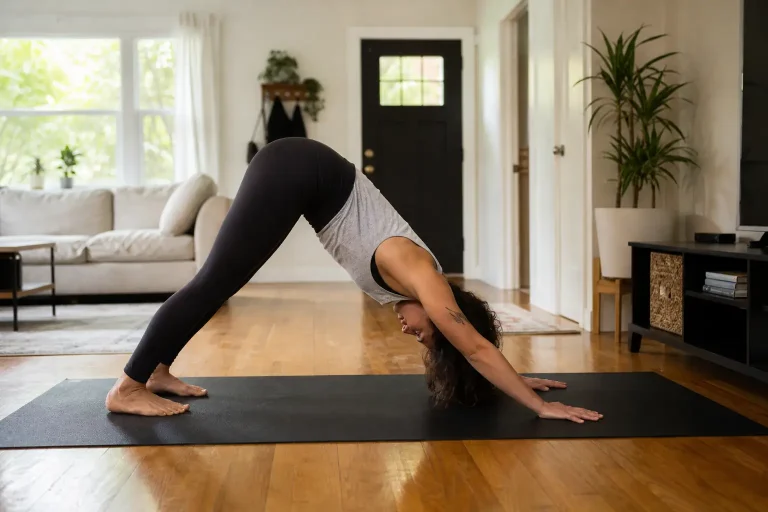
Best Yoga Mat (2026): 5 Yoga Mats Ranked by FitScore
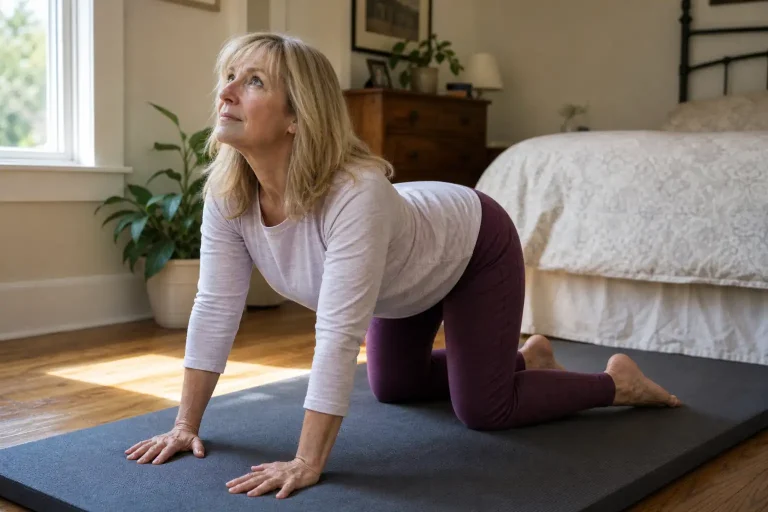
Best Thick Yoga Mat (2026): 5 Cushioned Mats Ranked
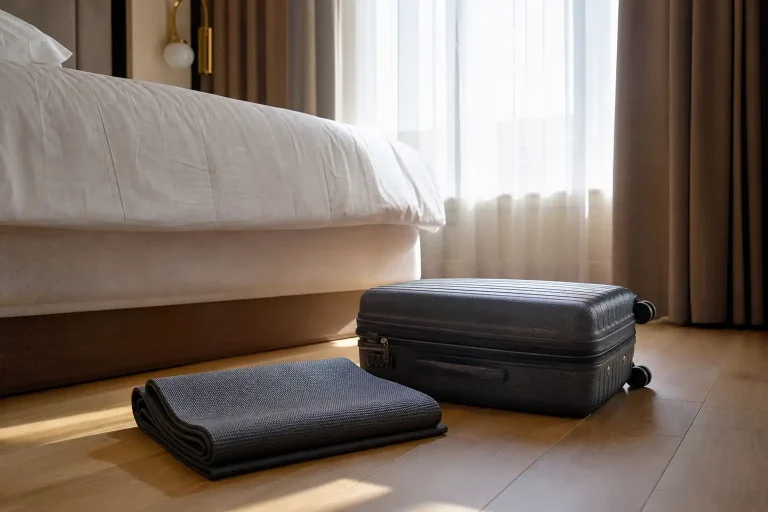
Best Travel Yoga Mat (2026): 5 Light, Foldable Mats Ranked
Best Large Yoga Mat (2026): 5 Long and Wide Mats Ranked
Yoga Mat Materials (2026): PVC, Rubber, Polyurethane, Cork, TPE and Foam
Best Yoga Mat for Beginners (2026): 5 Picks Ranked by FitScore
This article contains affiliate links. If you click through and make a purchase, we may earn a small commission at no extra cost to you. As an Amazon Associate, we earn from qualifying purchases. We do not show prices because they change constantly: product details and availability can change at any time, so please check the current price and details directly on Amazon. Learn more. Amazon and the Amazon logo are trademarks of Amazon.com, Inc. or its affiliates.
