

Short answer
Weight Vest Benefits: A weight vest adds load to the moves you already do, so the same walk, stair climb or set of push-ups takes more effort. The load sits on your torso, close to your center, which keeps your hands free and your stride natural.
Key takeaways
- A vest adds load to the moves you already do.
- Start light and progress slowly.
- Pick the format for your training.
See the rankings: best weight vests and best weight vests for walking.
What a Weight Vest Does
Your muscles and heart work against your body weight on every step and rep. A vest raises that load by a few pounds, spread front and back, so the effort of a familiar route or workout goes up while the movement stays the same.
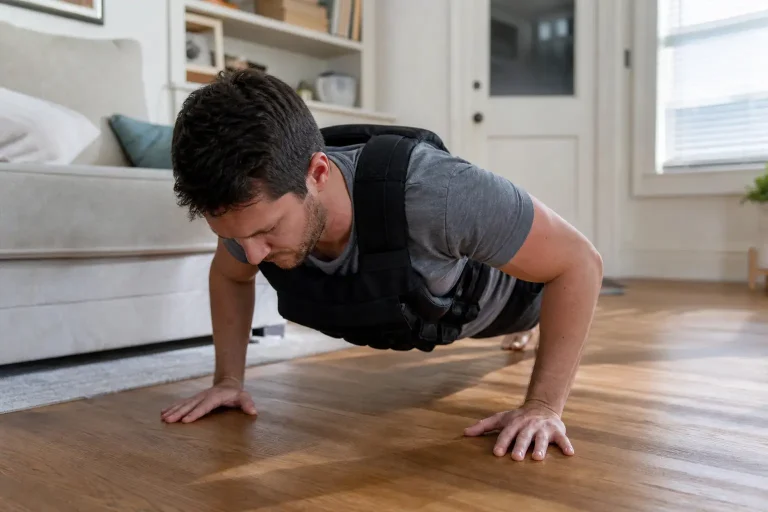
Because the load is worn, not held, your arms swing freely on walks and stay free for push-ups, pull-ups and lunges. See how heavy a weight vest should be to pick a starting load.
- Walking and hiking: more effort from the same route.
- Bodyweight moves: harder push-ups, squats, lunges and pull-ups.
- Stairs and step-ups: extra load on every climb.
Weight Vest Benefits for Walking
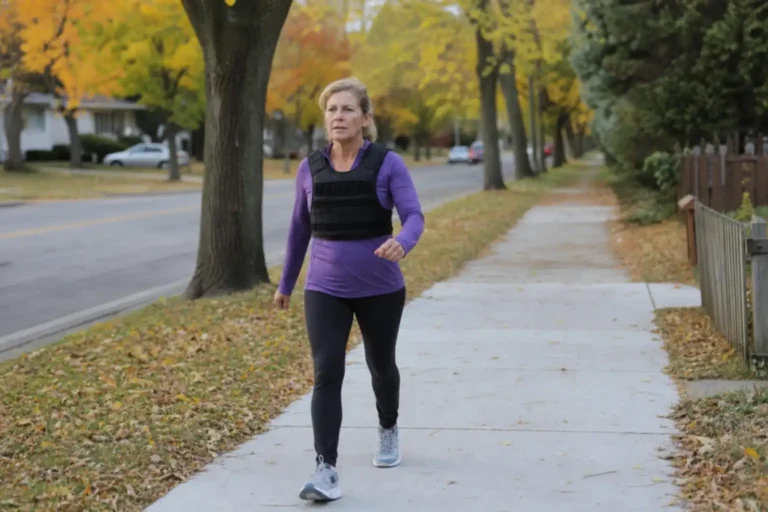
Walking is the most common use. Adding a light vest turns an easy walk into a harder session without running, and you can raise the load in small steps with an adjustable vest. The CDC adult activity guidelines count brisk walking toward the 150 minutes of moderate activity they advise each week.
- Same route, more work: progress without adding distance.
- Hands free: unlike carrying weights.
- Gradual: add a pound or two at a time.
Benefits for Strength and Bodyweight Training
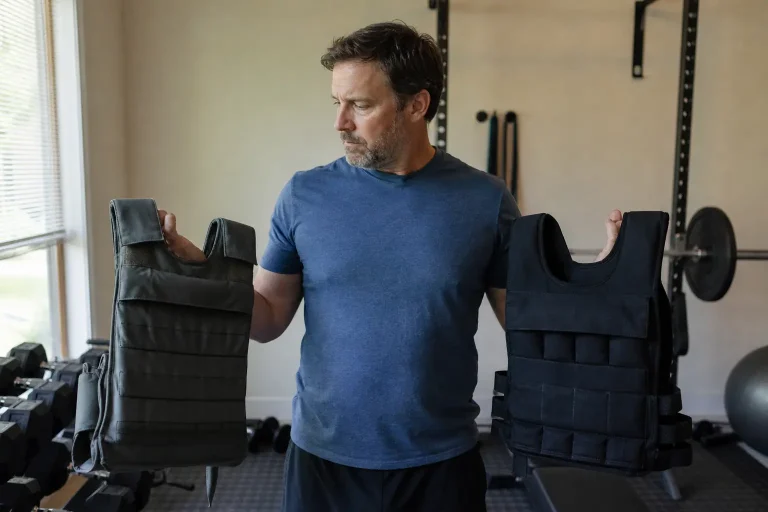
When push-ups, dips or pull-ups get easy, a vest adds resistance without a gym. Plate carriers are the format of Murph-style workouts; see weight vest vs plate carrier to choose a format.
Who a Weight Vest Suits, and Who Should Wait
A vest suits walkers, hikers and home exercisers who want more effort from their usual routine. Anyone with back, neck, hip or knee pain, a heart condition or pregnancy should ask a doctor before adding load, and everyone should start light.
Pro tip: Keep your posture upright, add load only when a session feels easy, and stop if anything hurts.
Two Vests Worth a Look
The #1 picks of our walking and overall rankings. Compare more with our weight vest comparison tool.
Best overall
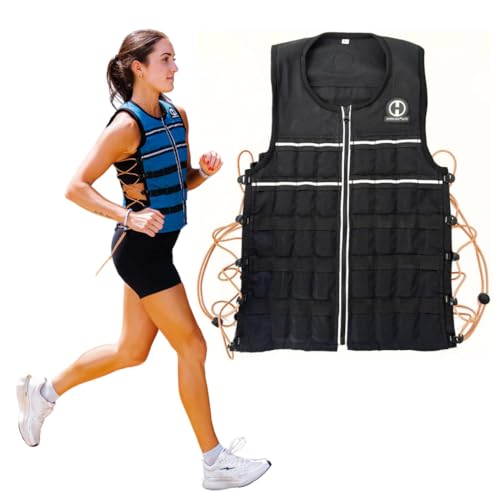
Hyperwear Hyper Vest ELITE Medium 10 lb
FitScore 68.9/100
Our top-ranked vest across walks, runs and home workouts. Ranked #1 in our best weight vest guide, FitScore 68.9 for that intent.
Check Price on AmazonBest for walking

BAGAIL Adjustable Weighted Vest 30 lb
FitScore 68.9/100
Our top-ranked vest for daily walks. Ranked #1 in our best weight vest for walking guide, FitScore 68.9 for that intent.
Check Price on AmazonChecklist: Getting Started With a Weight Vest
6 checks
Tap a number to check off that step.
- 01
Pick a light starting load.
- 02
Check the fit and chest range.
- 03
Start with short walks.
- 04
Add load slowly.
- 05
Keep your posture upright.
- 06
Stop if anything hurts.
Common Mistakes to Avoid
Mistake 1Starting too heavy.
Mistake 2Running in a loose vest.
Mistake 3Adding load and distance at once.
Mistake 4Slouching under the load.
Mistake 5Ignoring pain.
The Bottom Line
- A vest makes walks, stairs and bodyweight sets harder without new moves.
- Start light; many makers advise about 5 to 10% of body weight.
- A snug, no-bounce fit matters more as speed rises.
- The Physical Activity Guidelines for Americans advise muscle-strengthening activity at least 2 days each week.
Our Top Picks
 Best overallHyperwear Hyper Vest ELITE Medium 10 lbFitScore68.9/100Check on Amazon
- Best for walkingBAGAIL Adjustable Weighted Vest 30 lbFitScore68.9/100Check on Amazon
Frequently Asked Questions
It adds load to walks, stairs and bodyweight moves, so the same routine takes more effort.
It makes a walk harder without running; start light and build up.
Many makers advise about 5 to 10% of body weight. See how heavy a weight vest should be.
Ask a doctor first if you have back, joint or heart problems or are pregnant.
Start with short sessions and lengthen them as they feel easy.
This article contains affiliate links. If you click through and make a purchase, we may earn a small commission at no extra cost to you. As an Amazon Associate, we earn from qualifying purchases. We do not show prices because they change constantly: product details and availability can change at any time, so please check the current price and details directly on Amazon. Learn more. Amazon and the Amazon logo are trademarks of Amazon.com, Inc. or its affiliates.
