Short answer
How Heavy Should a Weight Vest Be: Start with a vest of about 5 to 10% of your body weight, the range many makers advise, and stay at the low end for running. Add a pound or two only when your usual session feels easy.
Key takeaways
- Start at about 5 to 10% of body weight.
- Keep running loads light.
- Add a pound or two at a time.
Then pick a vest: best weight vests and best adjustable weight vests.
How Heavy Should a Weight Vest Be: Starting Weight Vest Load by Body Weight
Use the lower column for runs and your first weeks, the higher one once walks feel easy. An adjustable vest lets you move between them; see our adjustable weight vest picks.
| Body weight | About 5% | About 10% |
|---|---|---|
| 120 lb | 6 lb | 12 lb |
| 150 lb | 8 lb | 15 lb |
| 180 lb | 9 lb | 18 lb |
| 210 lb | 10 lb | 21 lb |
| 240 lb | 12 lb | 24 lb |
How Heavy for Walking, Running and Strength
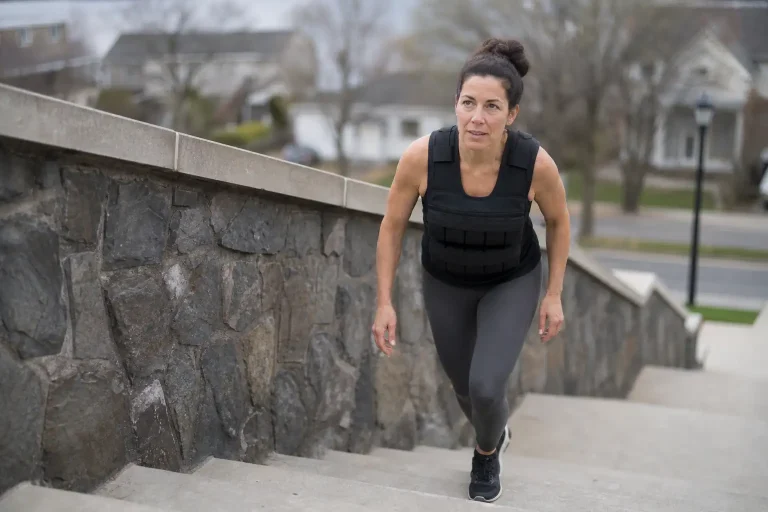
Runs load each stride more than walks, so keep the vest light; see best weight vests for running. For daily walks, see best weight vests for walking.
- Walking: about 5 to 10% of body weight.
- Running: stay near 5%, with a snug, no-bounce vest.
- Murph: 20 lb for men, 14 lb for women, usually a plate carrier.
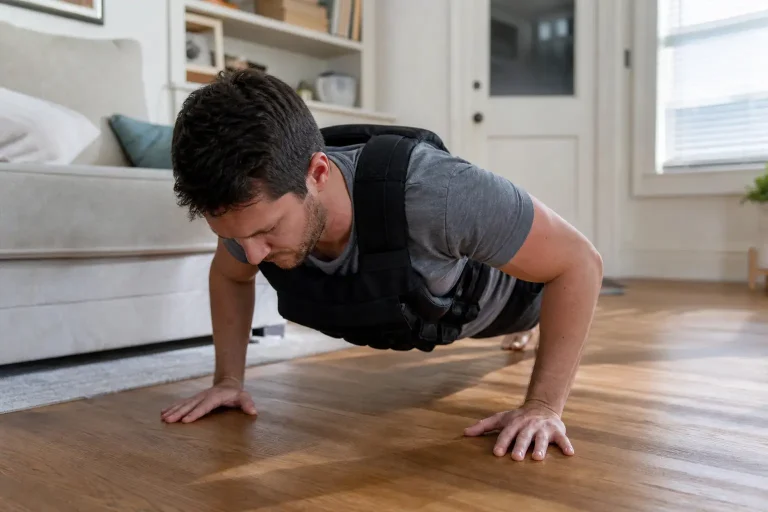
- Push-ups and pull-ups: add load in small steps.
How to Progress Safely
Add load only when your usual session feels easy, a pound or two at a time, and change one thing at once: load, distance or pace. The CDC adult activity guidelines advise building up activity gradually. Anyone with back, joint or heart problems should ask a doctor first.
Pro tip: If your posture changes or your shoulders ache, the vest is too heavy: take weight out.
Fixed or Adjustable?
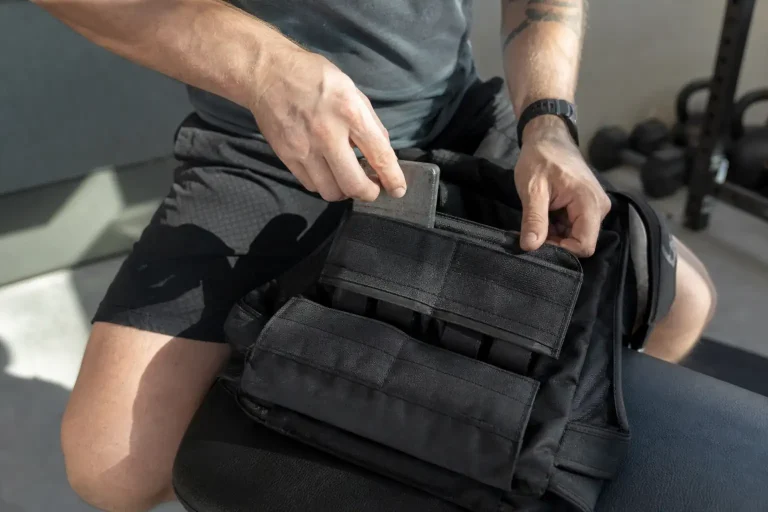
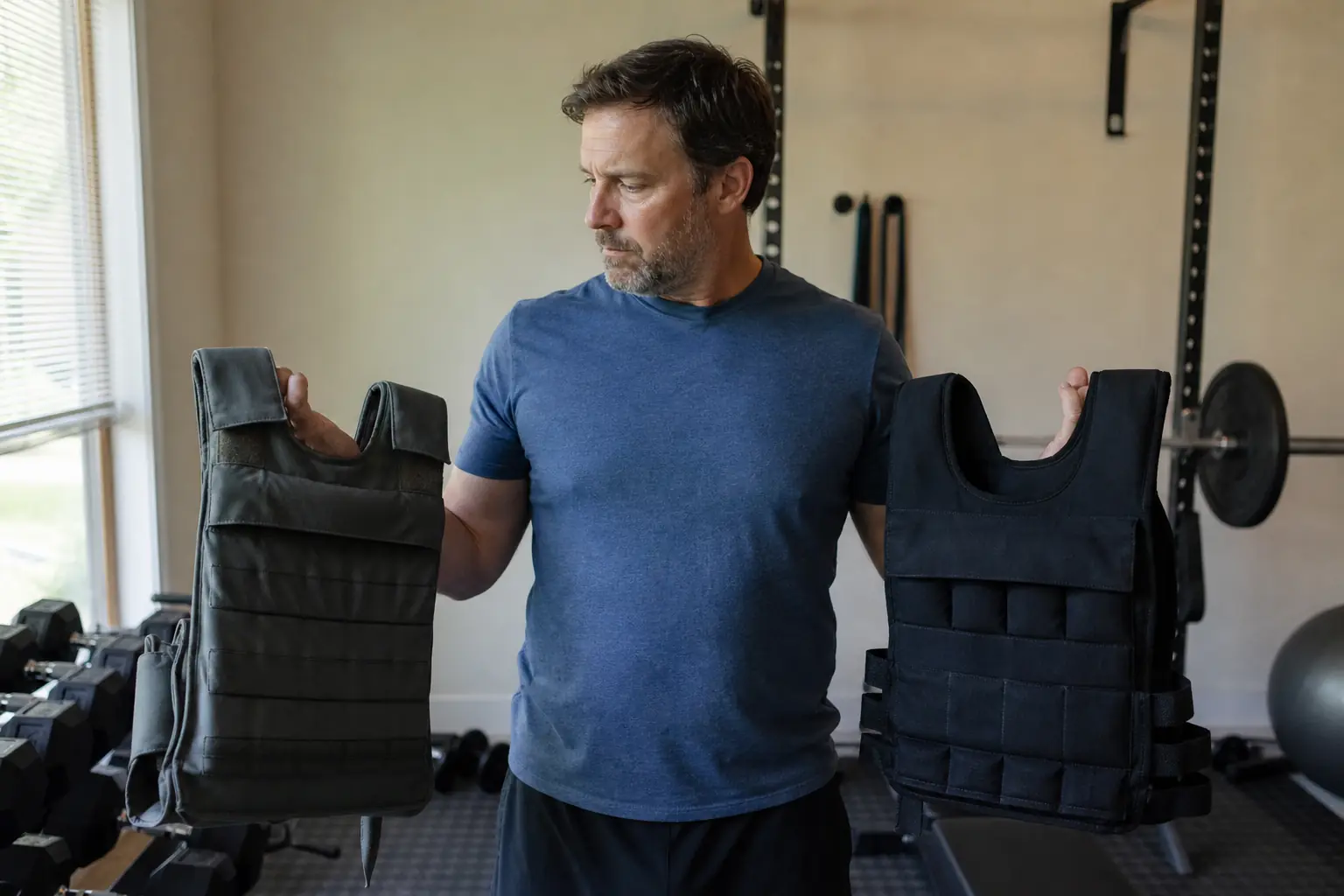
A fixed vest locks in one load; an adjustable vest grows with you, so you never need a second vest as you get stronger. See weight vest vs plate carrier for the plate format and our weight vest comparison tool to compare models.
Checklist: Choosing Your Vest Weight
6 checks
Tap a number to check off that step.
- 01
Weigh yourself.
- 02
Take 5 to 10% of that.
- 03
Go lighter for running.
- 04
Pick fixed or adjustable.
- 05
Plan small steps up.
- 06
Check the fit.
Common Mistakes to Avoid
Mistake 1Starting at the heaviest load.
Mistake 2Running with a walking load.
Mistake 3Adding load too fast.
Mistake 4Buying a fixed vest you will outgrow.
Mistake 5Ignoring posture.
The Bottom Line
- Start at about 5 to 10% of body weight.
- Go lighter for running than for walking.
- Murph is usually done with 20 lb for men and 14 lb for women.
- The Physical Activity Guidelines for Americans advise muscle-strengthening activity at least 2 days each week.
Frequently Asked Questions
About 5% of body weight, then build up.
It suits many adults for walking; start lighter if you are new or light.
Near 5% of body weight, in a snug vest.
20 lb for men and 14 lb for women. See best plate carrier weight vests.
Yes if you plan to progress; it saves buying a second vest.