

Short answer
How to Use a Foam Roller: To use a foam roller, place it under a muscle, support part of your weight with your hands, and roll slowly back and forth. Keep the pressure comfortable and the roller off joints, the lower spine and painful areas.
Key takeaways
- Roll slowly and keep the pressure comfortable.
- Support your weight to control the pressure.
- Keep the roller off joints and the lower spine.
Choosing a roller: see best foam roller for beginners.
How to Use a Foam Roller Step by Step
These steps work for most rollers, smooth or textured.
- Set up: roller on a mat, muscle on top, hands or the other leg on the floor.
- Roll slowly: short passes along the muscle.
- Adjust: take more weight on the hands to soften the pressure.
- Pause: rest on a tight spot only while it stays comfortable.
- Breathe: keep breathing normally and relax the muscle.
Simple Foam Roller Moves
Use a long roller for the back; see best foam roller for back.
| Area | Position | Tip |
|---|---|---|
| Calves | Sit, roller under the calves, hands behind you | Cross one leg over the other to add pressure |
| Quads | Face down, roller under the thighs, forearms on the floor | Stop above the knee |
| Outer thigh | On your side, roller under the side of the thigh | Support yourself with the top leg; see foam roller for IT band |
| Glutes | Sit on the roller, cross one ankle over the other knee | Lean toward the crossed side |
| Upper back | Lie on the roller across the shoulder blades, hips on the floor | Support the head with the hands; stop below the ribs |
Check Amazon for current pricing and availability.
How Long and How Often to Foam Roll
Short sessions are the usual start: a minute or so per area, before or after training. Rolling does not replace activity: the Physical Activity Guidelines for Americans recommend regular aerobic and muscle-strengthening activity for adults. Follow the guidance that comes with your roller.
Areas to Avoid
Keep the roller off the lower spine, the neck, the knees and other joints, and any bruised, swollen or injured area. Ask a clinician first if you are pregnant, have a health condition or an injury.
- Lower back: roll the glutes and the upper back instead.
- Neck: not with a full-size roller.
- Joints: stop above and below them.
Rollers to Start With
A soft or medium roller is the easiest start. Read about firmness in foam roller density.
Starter kit

321 STRONG 5-in-1 Massage Set
FitScore 65.1/100
A medium triple-zone roller with a stick, a ball, a strap and a bag. Ranked #1 in our best foam roller for beginners guide, FitScore 65.1 for that intent.
Check Price on AmazonFull-body roller

TriggerPoint GRID 2.0
FitScore 69.3/100
Three foam zones over a rigid hollow core, 26 in long. Ranked #1 in our best foam roller guide, FitScore 69.3 for that intent.
Check Price on AmazonChecklist Before Your First Foam Rolling Session
6 checks
Tap a number to check off that step.
- 01
Lay a mat on the floor.
- 02
Pick a soft or medium roller.
- 03
Plan a few minutes in total.
- 04
Support your weight with your hands.
- 05
Keep off joints and the lower spine.
- 06
Stop on sharp pain.
Common Mistakes to Avoid
Mistake 1Rolling too fast.
Mistake 2Pressing on the lower spine.
Mistake 3Rolling over joints.
Mistake 4Holding the breath.
Mistake 5Rolling an injured area.
The Bottom Line
- Roll slowly, about an inch per second, and keep the pressure comfortable.
- A few minutes in total is a common start.
- Keep the roller off joints, the neck and the lower spine.
- The National Center for Complementary and Integrative Health advises people with some health conditions to talk with a health care provider before massage.
Our Top Picks
 Starter kit321 STRONG 5-in-1 Massage SetFitScore65.1/100Check on Amazon
- Full-body rollerTriggerPoint GRID 2.0FitScore69.3/100Check on Amazon
Frequently Asked Questions
Start on a soft or medium roller, support your weight with your hands, and roll slowly for short sessions.
About a minute per area is a common start; follow the guidance that comes with your roller.
Either: many people roll briefly before training and again after.
Many people roll most days at a comfortable pressure; stop if an area feels worse.
The lower spine, the neck, joints and any injured area.
Explore More Foam Roller Guides
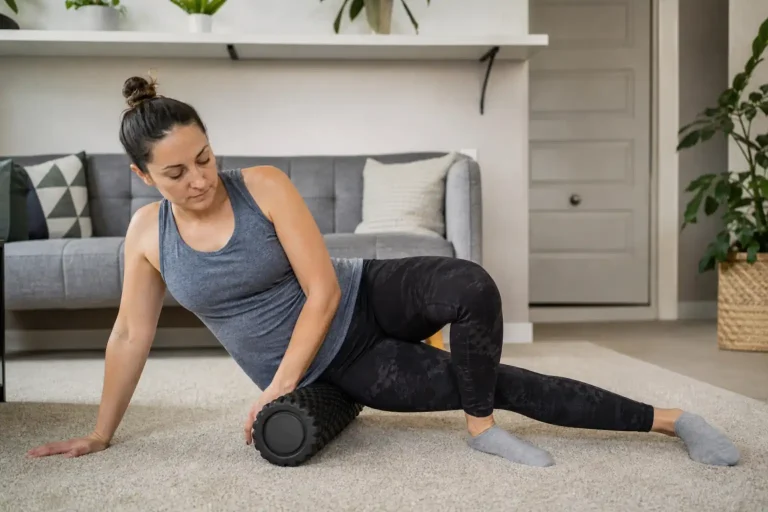
Best Foam Roller (2026): 5 Smooth and Textured Rollers Ranked
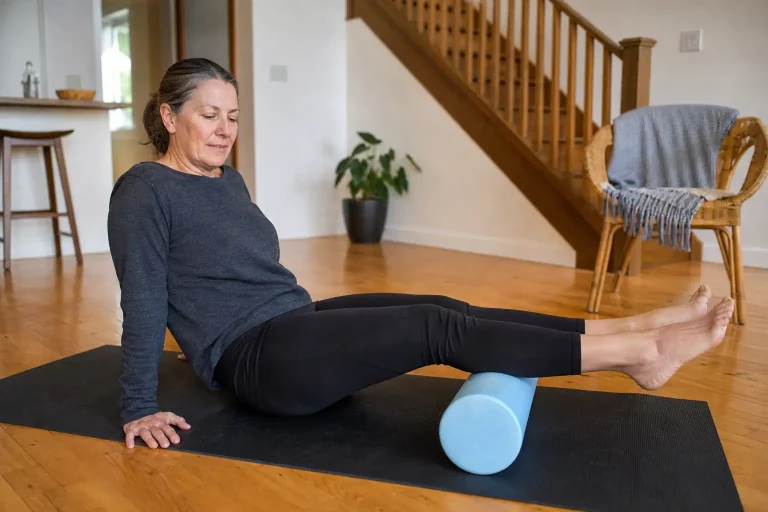
Best Foam Roller for Beginners (2026): 5 Soft and Medium Rollers
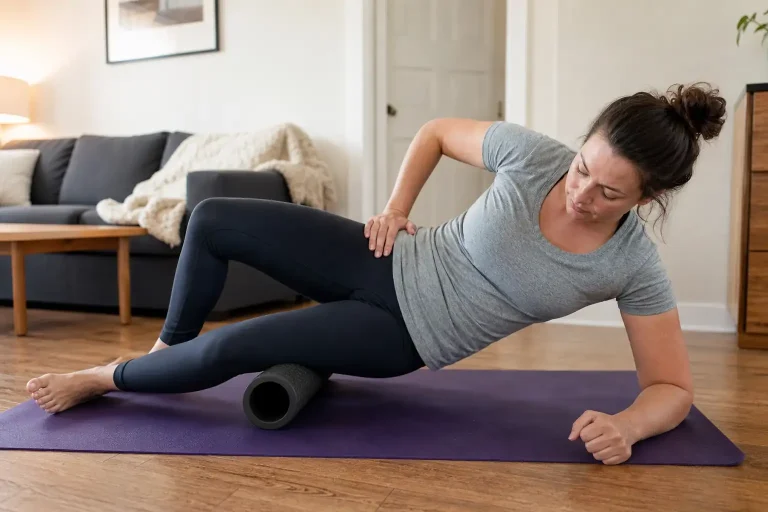
Foam Roller for IT Band (2026): How to Roll the Outer Thigh
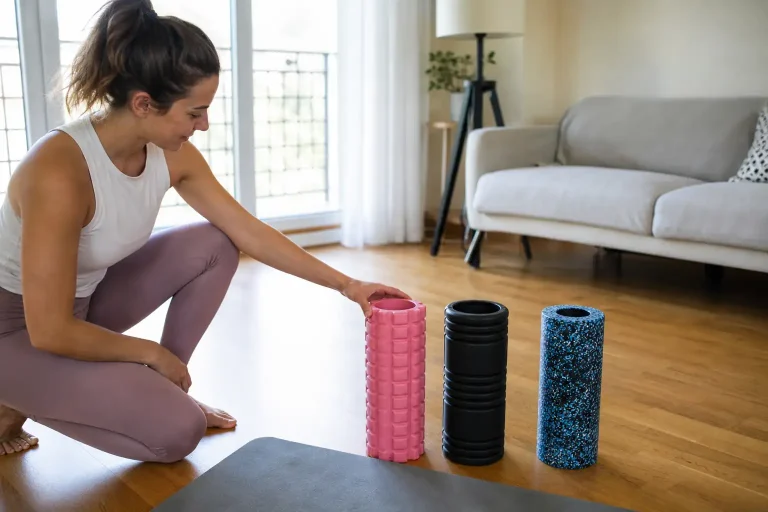
Foam Roller Density (2026): Soft, Medium, Firm or Extra Firm?
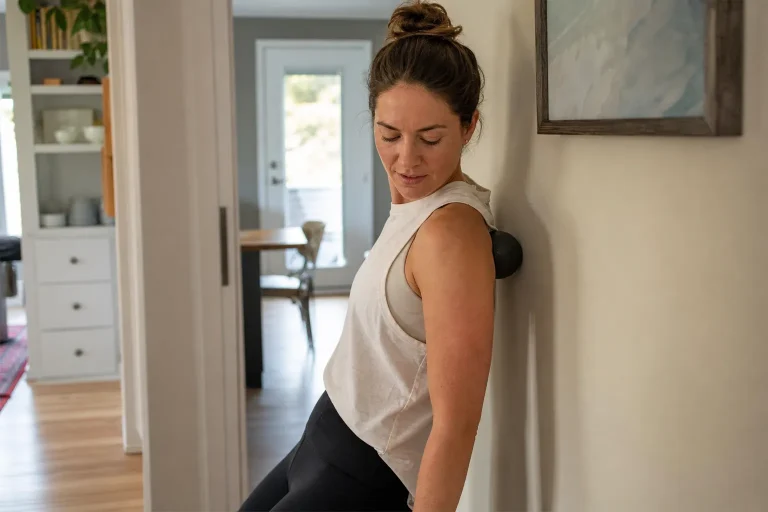
Best Massage Ball (2026): 5 Lacrosse, Peanut and Ball Sets Ranked
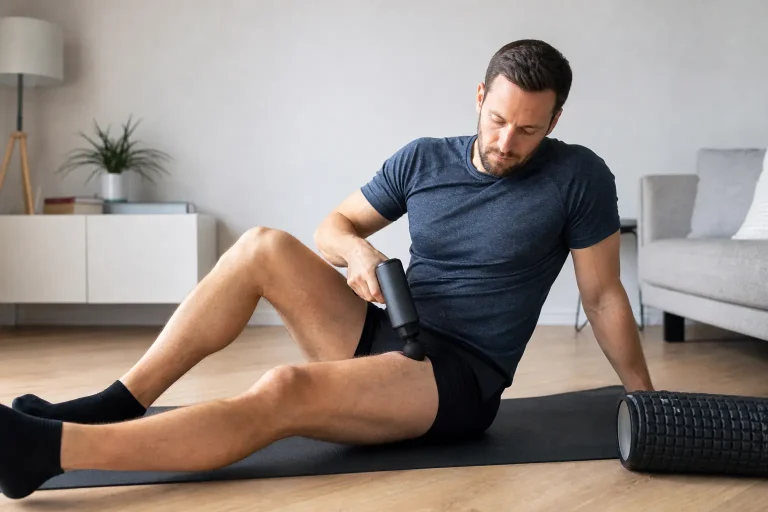
Foam Roller vs Massage Gun (2026): Which Should You Buy?
This article contains affiliate links. If you click through and make a purchase, we may earn a small commission at no extra cost to you. As an Amazon Associate, we earn from qualifying purchases. We do not show prices because they change constantly: product details and availability can change at any time, so please check the current price and details directly on Amazon. Learn more. Amazon and the Amazon logo are trademarks of Amazon.com, Inc. or its affiliates.
