

Short answer
Foam roller density is how much the foam gives under your weight. Soft and medium rollers suit beginners; firm and extra firm rollers keep their shape and press harder.
Key takeaways
- Soft and medium rollers suit the first weeks.
- Firm high-density rollers keep their shape.
- Texture and vibration add intensity at any density.
See the rankings: best foam roller and best foam roller for beginners.
Foam Roller Density at a Glance
Texture adds to the feel: ridges and bumps concentrate the pressure on smaller points.
| Density | Feel | Who it suits |
|---|---|---|
| Soft | Gives under weight, gentle | Beginners, sensitive areas |
| Medium | Some give, steady | Most users after the first weeks |
| Firm | Little give, strong pressure | Regular users, athletes |
| Extra firm | Almost no give | Experienced users |
Check Amazon for current pricing and availability.
Foam Materials and Cores
The material sets both the firmness and how the roller ages.
- EPP and polypropylene: beaded, light and firm; can feel rough on bare skin.
- EVA: smooth closed-cell foam, from soft to firm, wipes clean.
- TPE: soft and non-porous.
- Hollow core: a rigid tube under the foam keeps the roller from flattening.
Which Density Should You Choose?
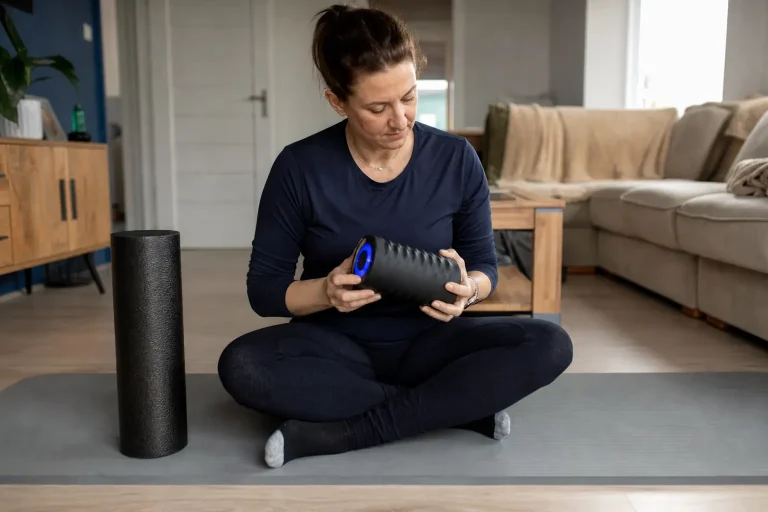
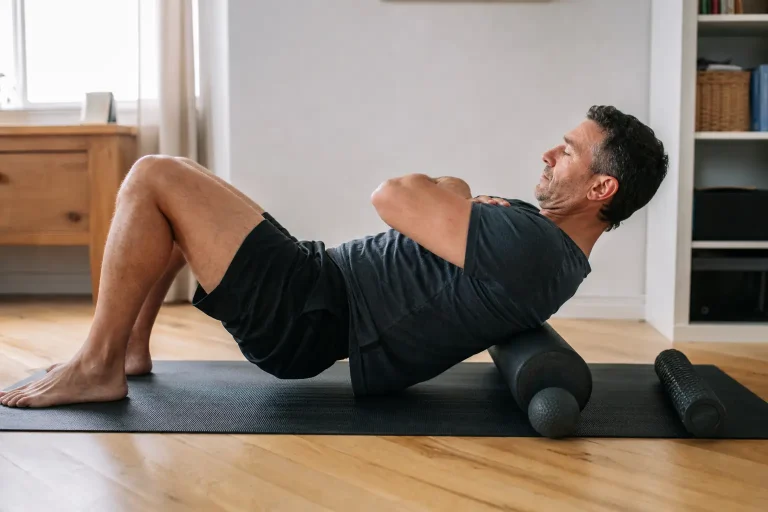
Start with a density you can relax on, then move firmer once rolling feels easy. Long rollers for lying along the spine are most comfortable in medium or firm foam; see best foam roller for back. Vibrating rollers feel firm because of the motor core; see vibrating vs regular foam roller.
Two Rollers at Each End of the Scale
A gentle start and a firm roller from our rankings. Compare more with our foam roller comparison tool.
Medium density

Gaiam Restore Foam Roller 36 in
FitScore 54.2/100
Smooth medium-density EVA, 36 in long. Ranked #3 in our best foam roller for beginners guide, FitScore 54.2 for that intent.
Check Price on AmazonFirm density

Sunny Health & Fitness High-Density Foam Roller 36 in
FitScore 60.6/100
High-density EPP built to be hard, 36 in long. Ranked #1 in our best foam roller for back guide, FitScore 60.6 for that intent.
Check Price on AmazonSafety Notes
Whatever the density, keep the roller off joints, the neck and the lower spine. The National Center for Complementary and Integrative Health advises people with some health conditions to talk with a health care provider before massage, and the Physical Activity Guidelines for Americans describe how much activity adults need each week.
Checklist: Choosing a Foam Roller Density
6 checks
Tap a number to check off that step.
- 01
Start with a density you can relax on.
- 02
Check the material: EPP, EVA or TPE.
- 03
Check for a rigid core.
- 04
Decide on texture.
- 05
Match the length to the area.
- 06
Plan to move firmer later.
Common Mistakes to Avoid
Mistake 1Starting on extra firm foam.
Mistake 2Assuming firmer is always better.
Mistake 3Ignoring the material.
Mistake 4Forgetting that texture adds intensity.
Mistake 5Using a soft roller long after it flattens.
The Bottom Line
- Our pool has 6 soft, 4 medium, 15 firm and 2 extra firm rollers.
- High-density EPP and polypropylene feel firm; EVA and TPE feel smoother.
- A rigid hollow core keeps a roller firm over time.
- Your body weight sets the real pressure.
Our Top Picks
 Medium densityGaiam Restore Foam Roller 36 inFitScore54.2/100Check on Amazon
- Firm densitySunny Health & Fitness High-Density Foam Roller 36 inFitScore60.6/100Check on Amazon
Frequently Asked Questions
Soft or medium. See best foam roller for beginners.
A firm roller, usually EPP, polypropylene or dense EVA, that keeps its shape under weight.
Not for everyone: firmer means stronger pressure, which beginners may find too intense.
Soft and open-cell foams can; rigid cores and high-density foams hold their shape longer.
Explore More Foam Roller Guides
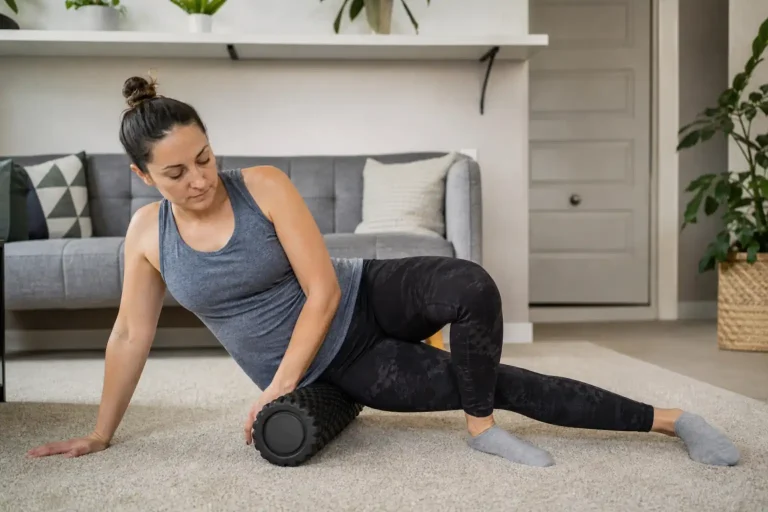
Best Foam Roller (2026): 5 Smooth and Textured Rollers Ranked
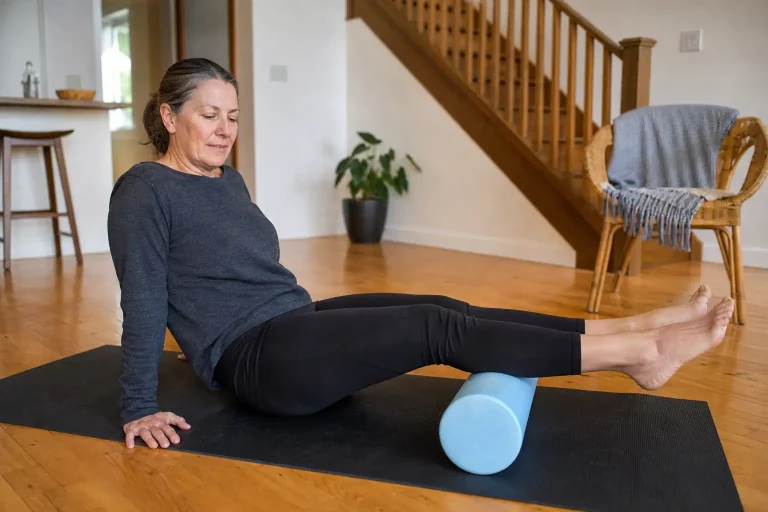
Best Foam Roller for Beginners (2026): 5 Soft and Medium Rollers
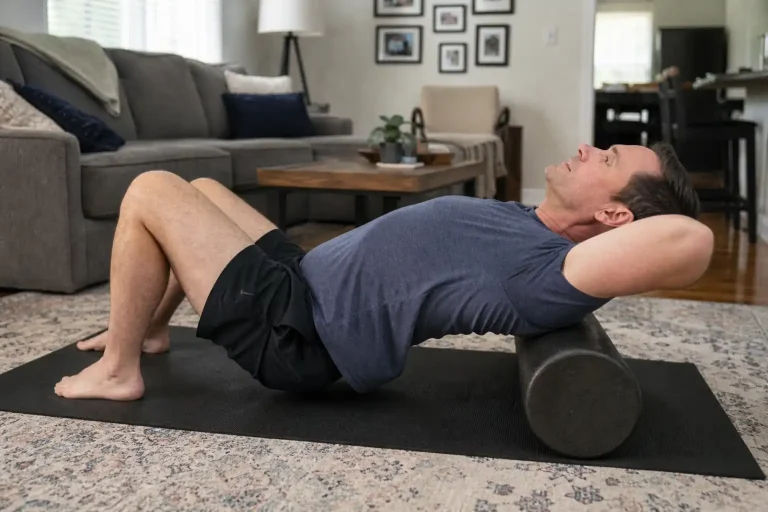
Best Foam Roller for Back (2026): 5 Long Rollers Ranked
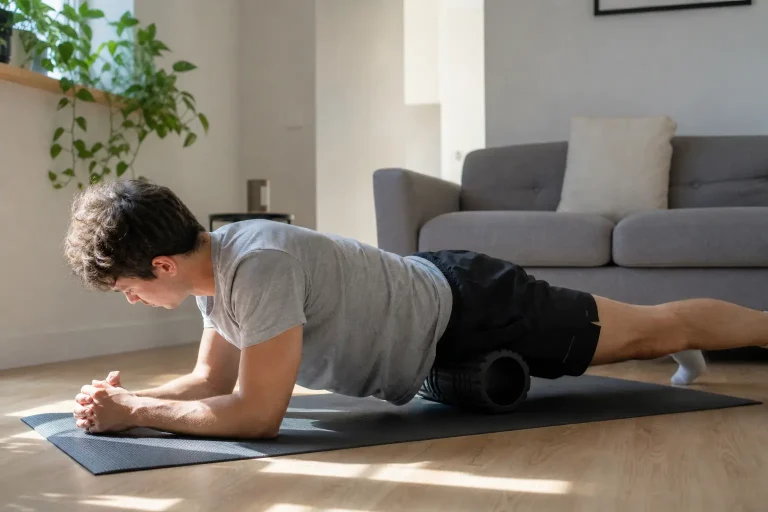
How to Use a Foam Roller (2026): Simple Steps for Beginners
Vibrating vs Regular Foam Roller (2026): Is Vibration Worth It?
Foam Roller Comparison Tool (2026): Compare Any Two Rollers
This article contains affiliate links. If you click through and make a purchase, we may earn a small commission at no extra cost to you. As an Amazon Associate, we earn from qualifying purchases. We do not show prices because they change constantly: product details and availability can change at any time, so please check the current price and details directly on Amazon. Learn more. Amazon and the Amazon logo are trademarks of Amazon.com, Inc. or its affiliates.
