

Short answer
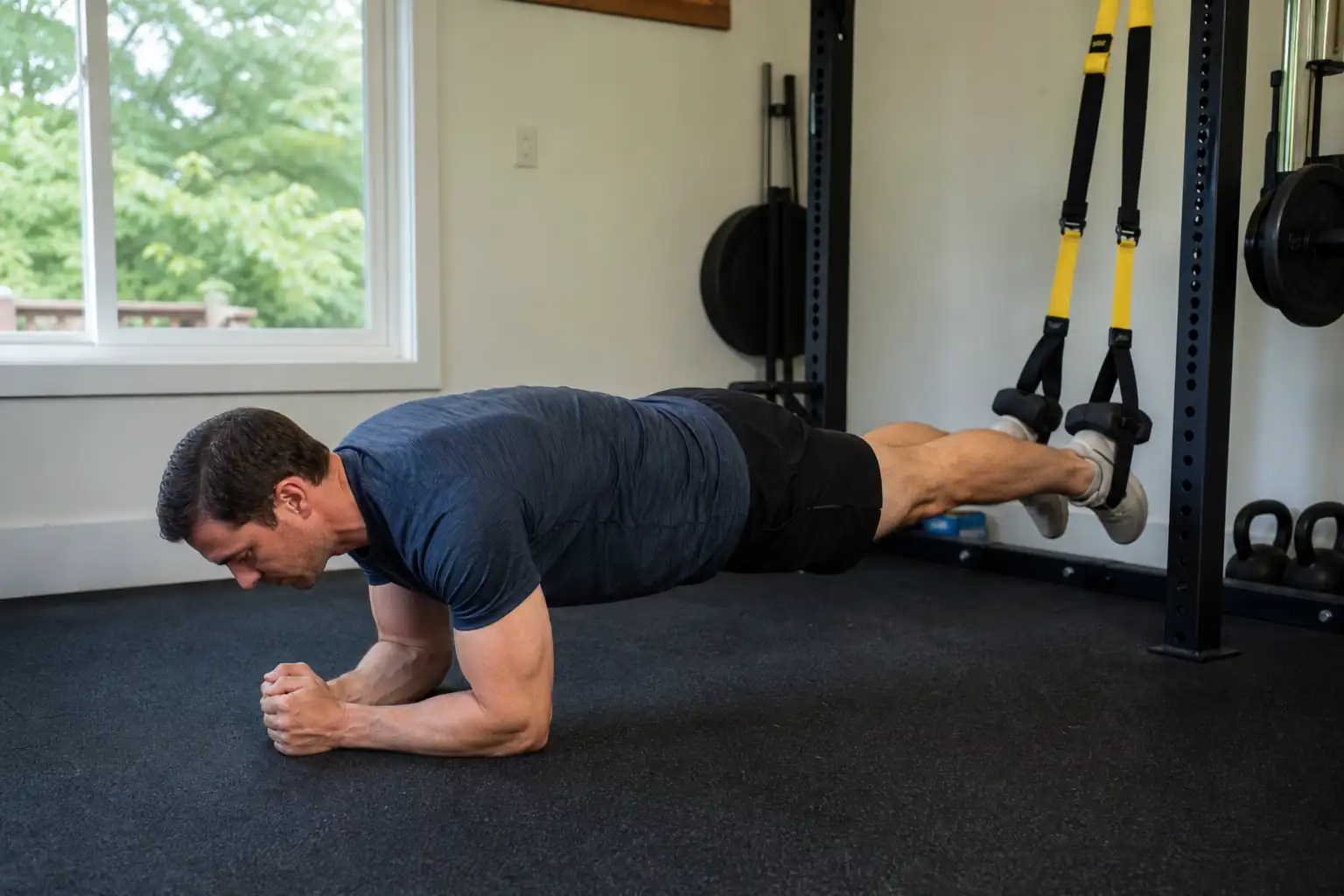
Suspension Trainer Benefits: A suspension trainer turns your body weight into rows, presses, squats and core work, and you set the difficulty with the angle of your body. It suits small spaces and travel; it does not replace heavy lifting or long steady cardio.
Key takeaways
- A suspension trainer turns body weight into rows, presses, squats and core work.
- Body angle sets the difficulty, so the same kit suits a beginner and a stronger lifter.
- It suits small spaces and travel, not heavy lifting.
To pick a kit, see our best suspension trainers guide.
Suspension Trainer Benefits: What a Suspension Trainer Trains
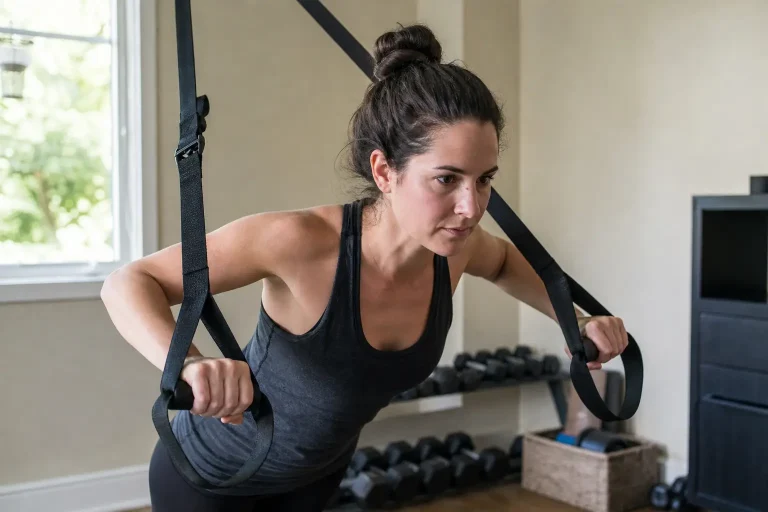
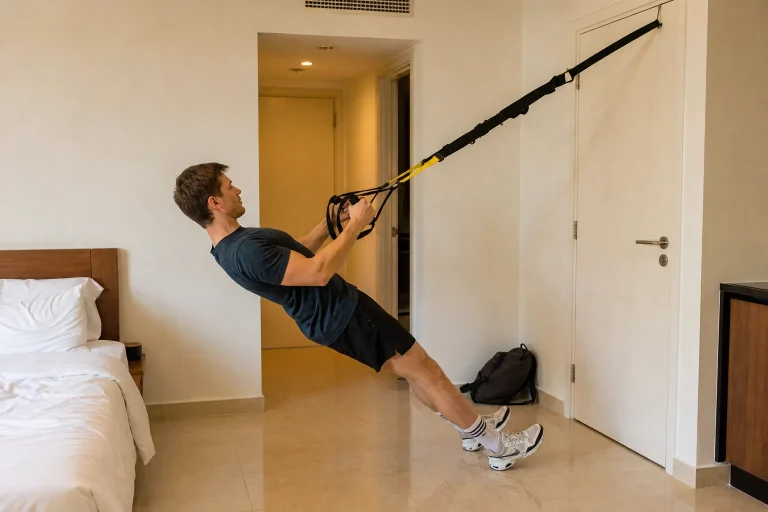
Owners and makers describe the straps as a way to train pulling, pressing and core work in a small space, and they say the angle of the body makes every move easier or harder in seconds.
| Area | What it does | Move |
|---|---|---|
| Back and biceps | Pull your chest toward the handles against your body weight | Rows, curls |
| Chest, shoulders and triceps | Press your body away from the handles | Chest presses, push-ups, triceps extensions |
| Legs and glutes | Load the legs with the handles as a light support | Squats, lunges, hamstring curls |
| Core | Keeps the trunk straight while the straps move | Planks, pikes, mountain climbers |
Check Amazon for current pricing and availability.
Who a Suspension Trainer Suits
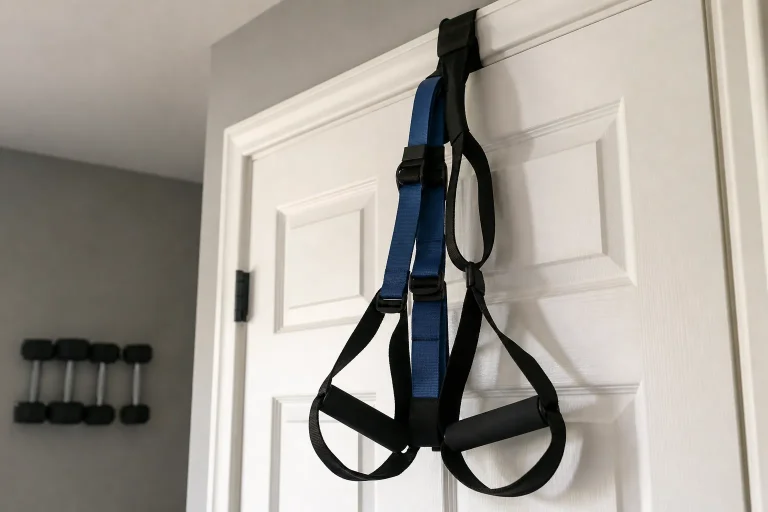
- Small spaces and travel: a light kit packs into a bag and hangs from a door.
- Home gym owners: one kit adds rows and pulling work that floor exercises lack.
- Beginners: a more upright body angle makes every move easier, so you can start gently.
- Growing programs: move the feet forward and the same kit gets harder.
What a Suspension Trainer Does Not Do
A suspension trainer is a bodyweight tool, not a full gym. It does not load the legs the way heavy lifting does, and it is not suited to long steady cardio. It also hangs your whole body weight from an anchor, so set it up with care: see suspension trainer anchor guide.
- Heavy lifting: pair it with weights if maximum strength is your goal.
- Long cardio: a bike or a rower suits long steady work better.
- Anchors: the kit is only as safe as the door, bar or beam it hangs from.
Pro tip: Ready to train? See our suspension trainer workouts.
Suspension Trainers Worth a Look
A top-ranked door kit, a light kit with a built-in anchor and a low-priced kit with detachable handles.
Check the warranty terms before you buy: the FTC explains how to read a product warranty.
Whatever you choose, use it: the CDC recommends at least 150 minutes of moderate activity a week for adults.
Top-ranked kit

UONNER Suspension Trainer Kit with Door Anchor
FitScore 72.4/100
A door anchor, an extension strap, telescopic straps and rubber handles, with a stated capacity of 1,102 lb. Ranked #1 in our best suspension trainers guide, FitScore 72.4 for that intent.
Check Price on AmazonLight kit for travel

CoreKit Suspension Trainer with Built-in Door Anchor
FitScore 77.1/100
A door anchor built into the strap, a carry bag, ankle straps and a 1,000 lb stated capacity. Ranked #1 in our best suspension trainers for travel guide, FitScore 77.1 for that intent.
Check Price on AmazonLower-priced kit
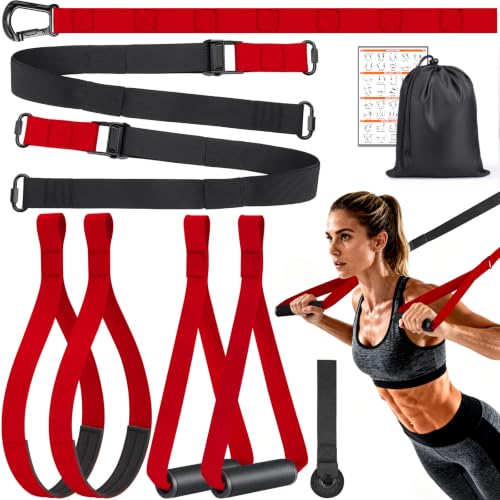
TOBWOLF Suspension Training Kit with Built-in Door Anchor
FitScore 69/100
A built-in door anchor, detachable handles with foot cradles and a 275 lb stated capacity. Ranked #3 in our best budget suspension trainers guide, FitScore 69 for that intent.
Check Price on AmazonChecklist Before You Buy a Suspension Trainer
6 checks
Tap a number to check off that step.
- 01
Choose the anchors you need: a door anchor, an extension strap or an outdoor anchor.
- 02
Compare the stated capacity with your weight.
- 03
Look for adjustable straps with secure buckles.
- 04
Check whether foot cradles come in the box.
- 05
Check for a carry bag if you travel.
- 06
Check the return terms on Amazon.
Common Mistakes to Avoid
Mistake 1Expecting a suspension trainer to replace heavy lifting.
Mistake 2Hanging it from a door that opens toward you.
Mistake 3Starting with the feet far forward before your form is ready.
Mistake 4Buying a kit without the anchor your space needs.
Mistake 5Skipping the strap check before each session.
The Bottom Line
- Body angle sets the difficulty: moving the feet forward makes a row or a push-up harder.
- One kit covers rows, chest presses, squats, hamstring curls and core holds, and the same kit suits a beginner and a stronger lifter.
- A light kit packs into a bag, and some kits carry the door anchor built into the strap.
- Adults are advised muscle-strengthening activity on at least 2 days a week.
Our Top Picks
 Top-ranked kitUONNER Suspension Trainer Kit with Door AnchorFitScore72.4/100Check on Amazon
- Light kit for travelCoreKit Suspension Trainer with Built-in Door AnchorFitScore77.1/100Check on Amazon
- Lower-priced kitTOBWOLF Suspension Training Kit with Built-in Door AnchorFitScore69/100Check on Amazon
Frequently Asked Questions
It turns your body weight into rows, presses, squats and core work, and the angle of your body sets the difficulty.
Yes, from an upright body angle; see suspension trainer workouts.
It loads the upper body, legs and core, but heavy lifting builds maximum strength more directly.
Yes, from a solid door, a bar or a beam: see our suspension trainer anchor guide.
Short, hard circuits raise your breathing quickly; for long steady cardio a bike or a rower suits better.
Start with the anchors and the stated capacity: see our best suspension trainers.
Explore More Suspension Trainers Guides
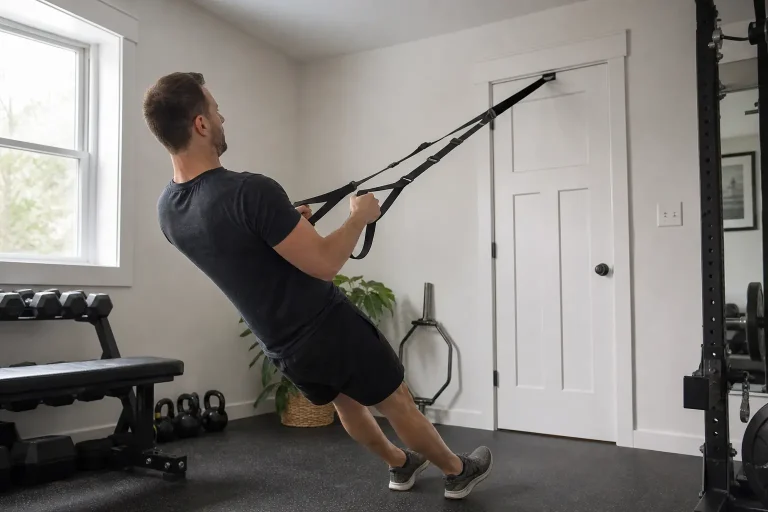
Best Suspension Trainers (2026): 5 Kits Ranked by FitScore
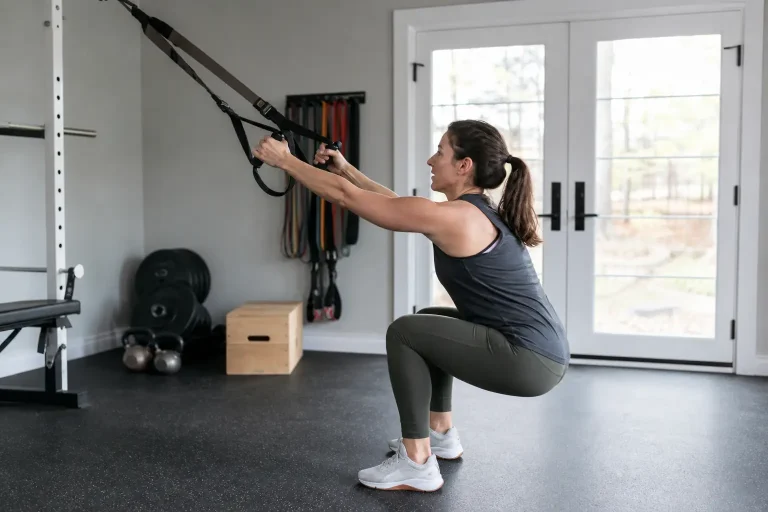
Suspension Trainer Workouts (2026): 5 Sessions for Pulling, Pushing and Core
Suspension Trainer Anchor Guide (2026): Door, Bar, Beam and Tree Setups
TRX vs Budget Suspension Trainers (2026): What the Extra Money Buys
Best Budget Suspension Trainers (2026): 5 Kits Ranked
Best Suspension Trainers for Travel (2026): 5 Kits Ranked
This article contains affiliate links. If you click through and make a purchase, we may earn a small commission at no extra cost to you. As an Amazon Associate, we earn from qualifying purchases. We do not show prices because they change constantly: product details and availability can change at any time, so please check the current price and details directly on Amazon. Learn more. Amazon and the Amazon logo are trademarks of Amazon.com, Inc. or its affiliates.
