

Short answer
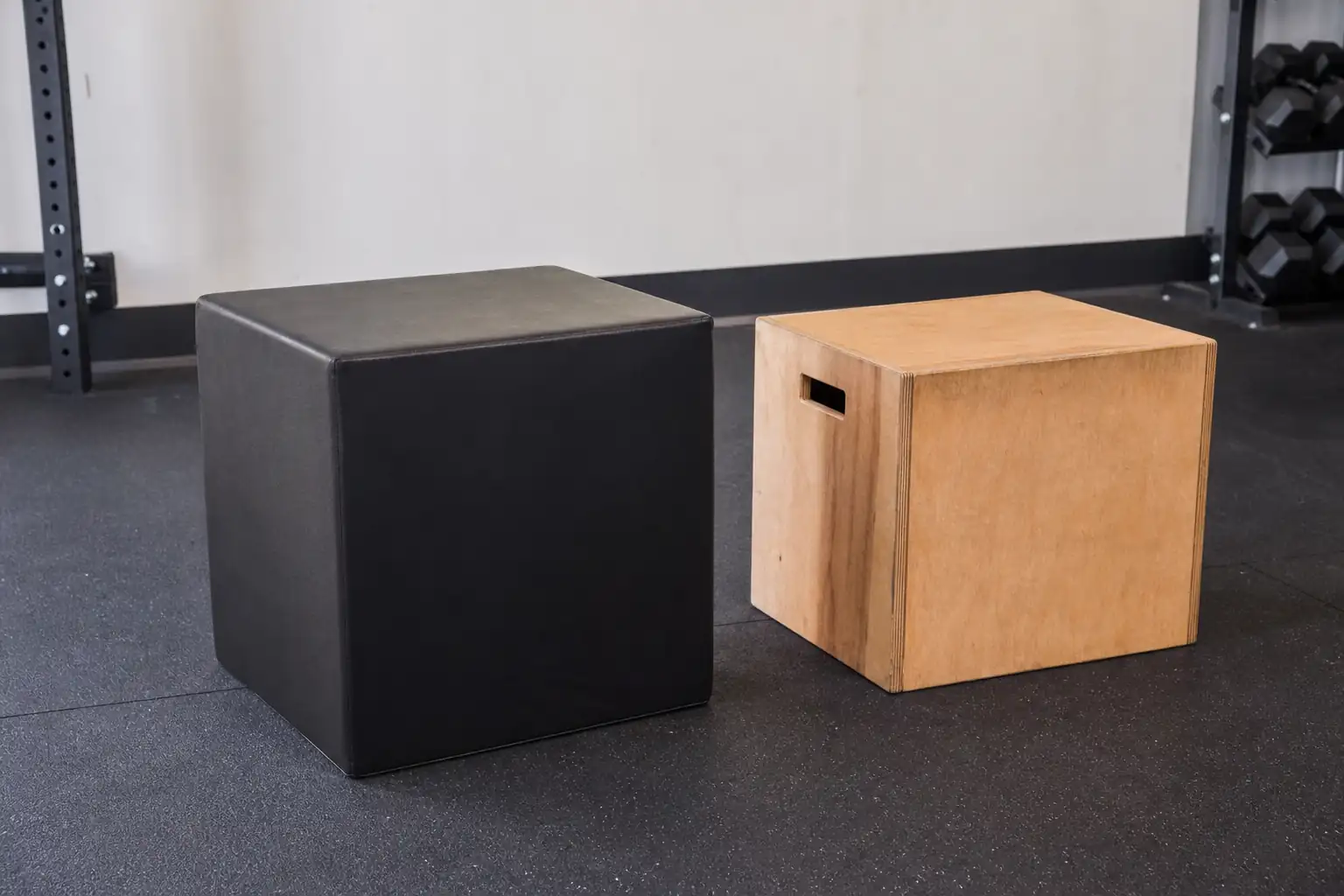
Foam vs wood plyo box: Buy foam if you are new to jumping or want a forgiving landing; buy plywood if you want a stable box at a lower cost and already land with control.
Key takeaways
- Foam forgives a clipped edge; wood stays rigid at height.
- Wood usually costs less; foam is quieter and lighter.
- Check the cover on foam and the joints on wood.
For the full pool, see our best plyo boxes guide.
Foam vs wood plyo box: Foam vs Wooden Plyo Boxes at a Glance
Buyers and reviewers say foam suits people who are new to jumping and shared spaces, and wood suits experienced users who want a rigid platform.
| Foam box | Wooden box | |
|---|---|---|
| Landing | Soft, forgives a clipped edge | Hard, edges hurt on a missed jump |
| Stability at height | Can feel less stable at the tallest setting | Very stable when well built |
| Noise | Quiet | Louder |
| Price | Usually higher | Usually lower |
| Setup | Most arrive assembled | Most need assembly |
| Grip | Comes from the cover | Comes from the top finish |
Check Amazon for current pricing and availability.
When to Choose Foam
- New to jumping: a missed landing hurts less on a soft top.
- Shared or indoor space: foam is quieter and lighter to move.
- Rehab or return to training: a softer surface is a gentler start; follow your clinician’s advice.
- Wipe-clean cover: several foam boxes have a sweat-resistant cover.
When to Choose Wood
- Budget: plywood boxes usually cost less than foam of the same height.
- Tall settings: a joined or braced box stays rigid at 24 to 30 in.
- Heavy loads: several wooden boxes state 450 lb capacity for weighted step-ups.
- Assembly is fine: most take 5 to 10 minutes with the included hardware.
Pro tip: Check the build: thick plywood, interlocking joints or internal bracing, and sanded or rounded edges.
Our Picks for Each
The top pick of each ranking, one soft and one rigid.
Check the warranty terms before you buy: the FTC explains how to read a product warranty.
Whatever you choose, use it: the CDC recommends at least 150 minutes of moderate activity a week for adults.
Soft landing

Yes4All Soft-Padded Plyo Box 12/14/16 in
FitScore 74.7/100
A wooden core under EVA foam with a non-slip cover and a 12 in first step. Ranked #1 in our best foam plyo boxes guide, FitScore 74.7 for that intent.
Check Price on AmazonTall foam box

papababe Foam Plyo Box 20/24/30 in
FitScore 72.6/100
A foam box with heights up to 30 in and a 500 lb stated capacity. Ranked #2 in our best foam plyo boxes guide, FitScore 72.6 for that intent.
Check Price on AmazonRigid plywood box

Yes4All Wooden Plyo Box 12/14/16 in
FitScore 70.4/100
A plywood box with puzzle joints, built-in handles and a 450 lb stated capacity. Ranked #1 in our best wooden plyo boxes guide, FitScore 70.4 for that intent.
Check Price on AmazonChecklist Before You Choose Foam or Wood
6 checks
Tap a number to check off that step.
- 01
Decide how soft you want landings to be.
- 02
Choose the height set first: 16/20/24 in suits most beginners.
- 03
Check the cover or the top for grip.
- 04
Compare the stated capacity with your weight.
- 05
Check whether it arrives assembled.
- 06
Check the return terms on Amazon.
Common Mistakes to Avoid
Mistake 1Choosing wood for its price when your landings are not yet reliable.
Mistake 2Choosing foam for a tall 30 in box without a mat or a firm floor.
Mistake 3Ignoring the build of a wooden box.
Mistake 4Expecting foam to be grippy without a textured cover.
Mistake 5Choosing from the product title instead of the surface you need.
The Bottom Line
- Our pool has 7 foam or soft-padded boxes and 7 wooden boxes, ranked in separate guides.
- Foam is softer, quieter and compresses on a missed jump, which lowers the risk of a hard shin hit.
- Plywood is very stable when well built and usually costs less, but its hard edges raise the risk of a shin hit.
- Foam can feel less stable at the tallest height and sags in the most-used spots over time.
Our Top Picks
 Soft landingYes4All Soft-Padded Plyo Box 12/14/16 inFitScore74.7/100Check on Amazon
- Tall foam boxpapababe Foam Plyo Box 20/24/30 inFitScore72.6/100Check on Amazon
- Rigid plywood boxYes4All Wooden Plyo Box 12/14/16 inFitScore70.4/100Check on Amazon
Frequently Asked Questions
Foam is softer and quieter; wood is stable at height and costs less. The right one depends on how reliable your landings are.
They are gentler on shins than wood, but a soft box is still a jump box: start low and land softly.
A well-built box is stable, but hard edges raise the risk of a shin hit on a missed jump.
Foam can sag in the most-used spots over time, especially with heavy daily use.
A well-built wooden box stays rigid at 24 to 30 in, where foam can feel less stable.
See our best foam plyo boxes and best wooden plyo boxes guides.
Explore More Plyo Box Guides
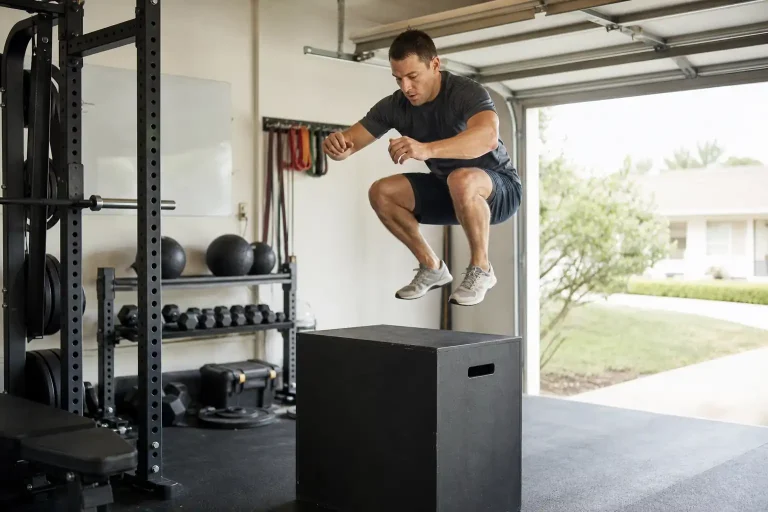
Best Plyo Boxes (2026): 5 Boxes Ranked by FitScore
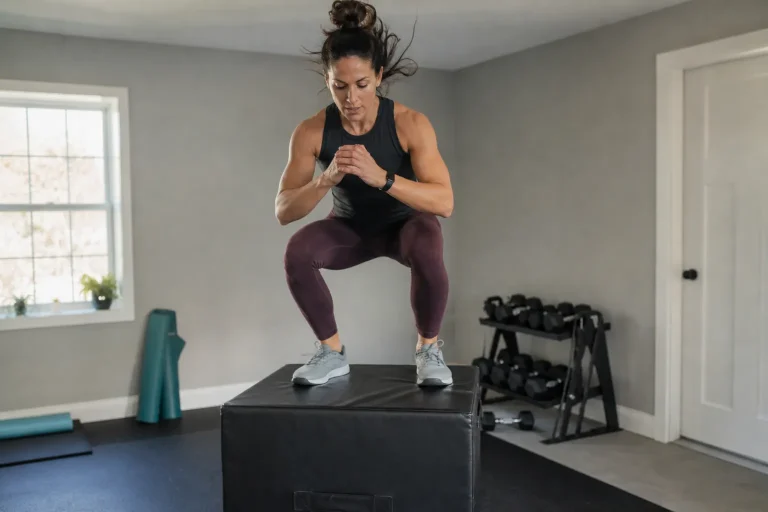
Best Foam Plyo Boxes (2026): 5 Soft Boxes Ranked
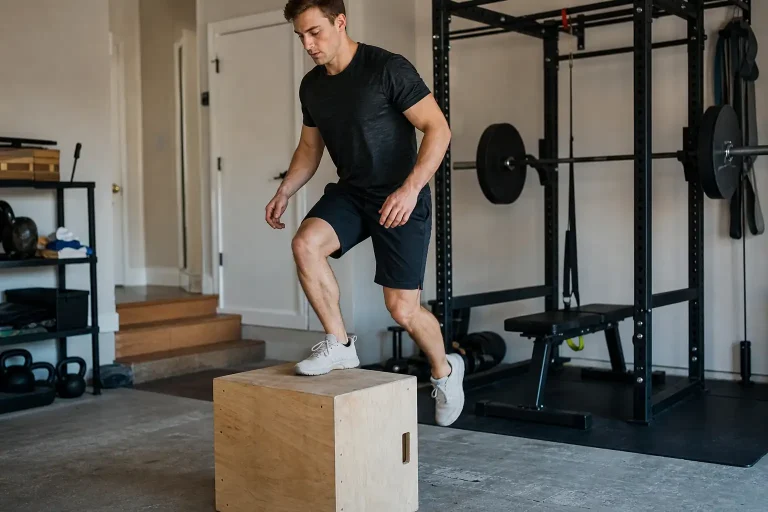
Best Wooden Plyo Boxes (2026): 5 Plywood Boxes Ranked
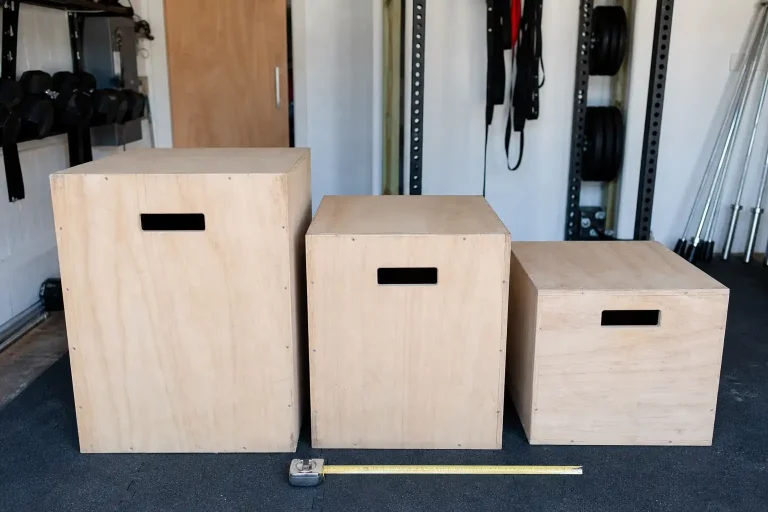
Plyo Box Size Guide (2026): Which Height Set to Buy
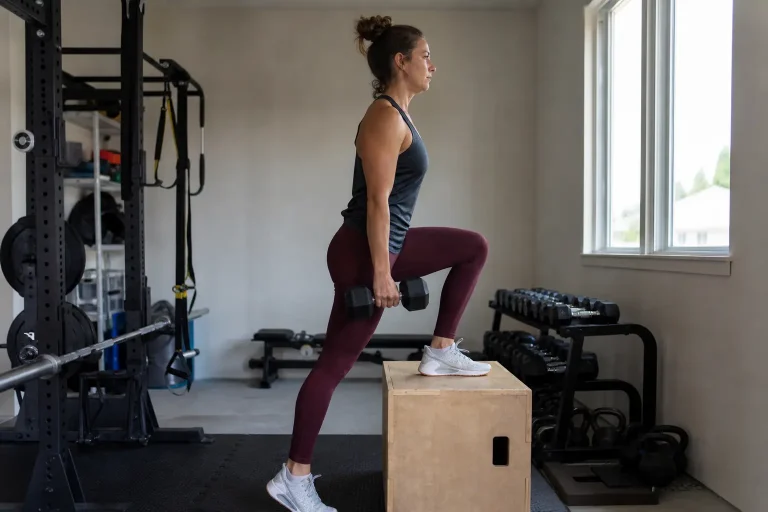
Plyo Box Workouts (2026): 5 Sessions for Step-Ups, Jumps and Strength
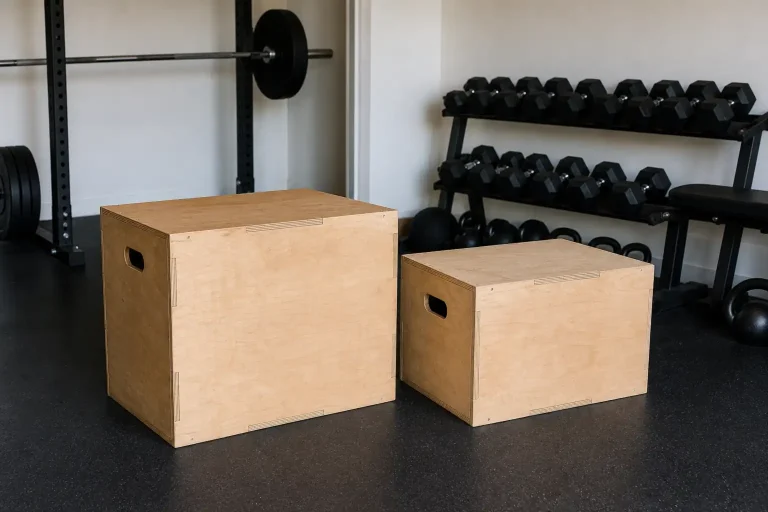
Plyo Box Comparison Tool (2026): Compare Plyo Boxes
This article contains affiliate links. If you click through and make a purchase, we may earn a small commission at no extra cost to you. As an Amazon Associate, we earn from qualifying purchases. We do not show prices because they change constantly: product details and availability can change at any time, so please check the current price and details directly on Amazon. Learn more. Amazon and the Amazon logo are trademarks of Amazon.com, Inc. or its affiliates.
