

Short answer
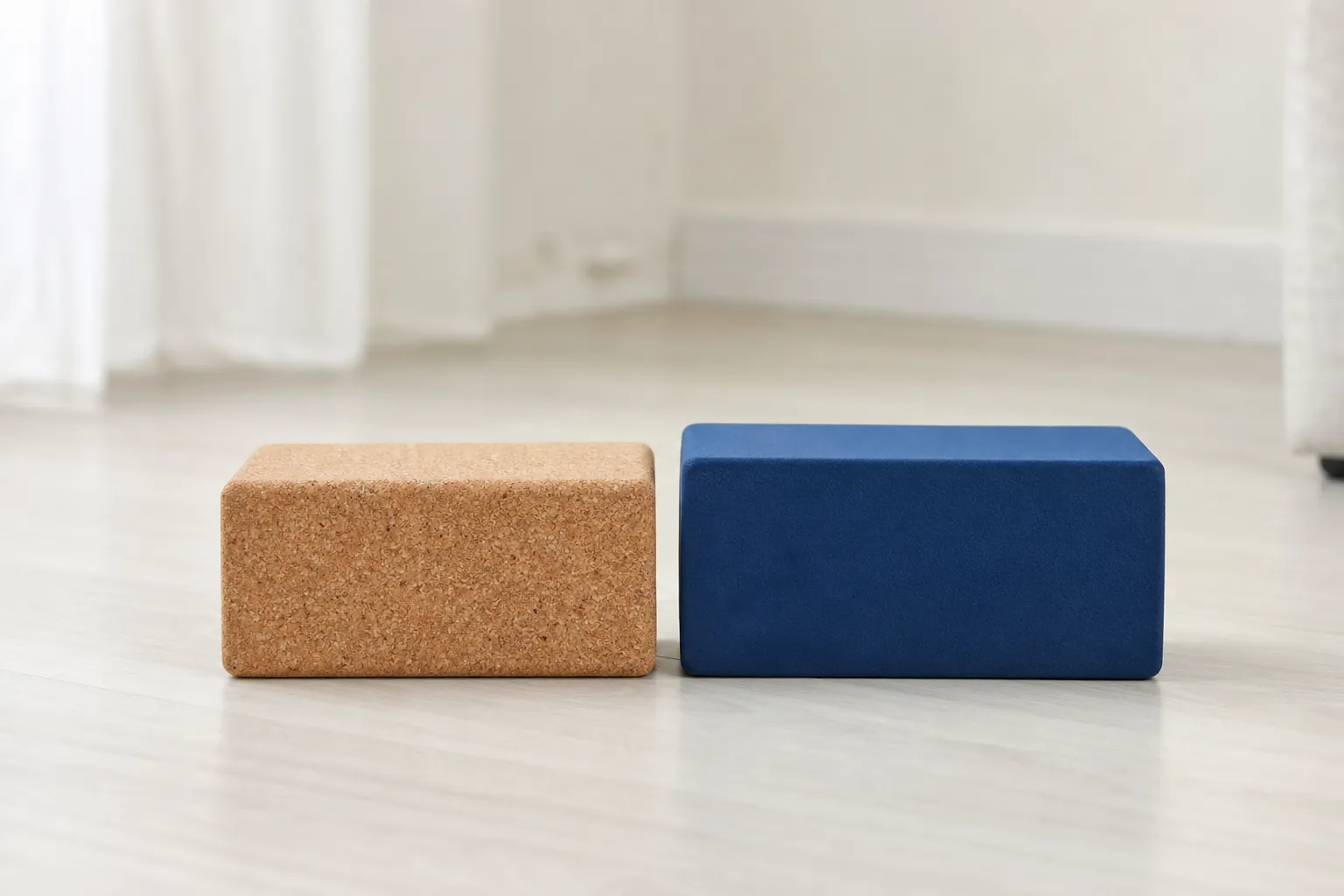
Cork vs Foam Yoga Blocks: Choose cork for a firm, heavier block with a textured surface, and foam for a light, soft block that is easy to carry. Both come in 3 in and 4 in sizes.
Key takeaways
- Cork is firm and heavy; foam is light and soft.
- Thickness is a separate choice from the material.
- Check the extras in the box.
To pick a pair, see our best yoga blocks guide.
Cork vs Foam Yoga Blocks: Cork vs Foam: The Main Differences
The two materials differ in weight, firmness and surface. Cork is dense and textured; EVA foam is light and softer under load.
- Weight: cork is heavier, which keeps the block steady on the floor; foam is easy to carry.
- Firmness: cork holds its shape; foam gives slightly under load.
- Surface: cork has a natural texture; foam relies on a non-slip finish.
- Care: both wipe clean; check the care note of the set you buy.
When Cork Is the Better Fit
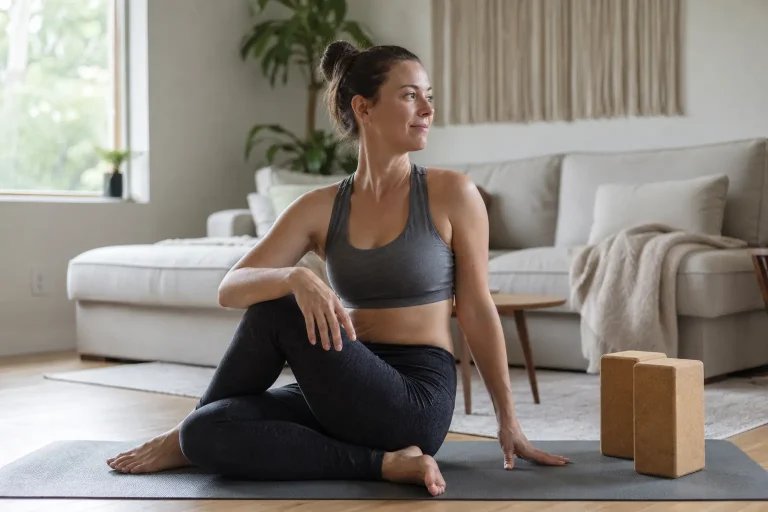
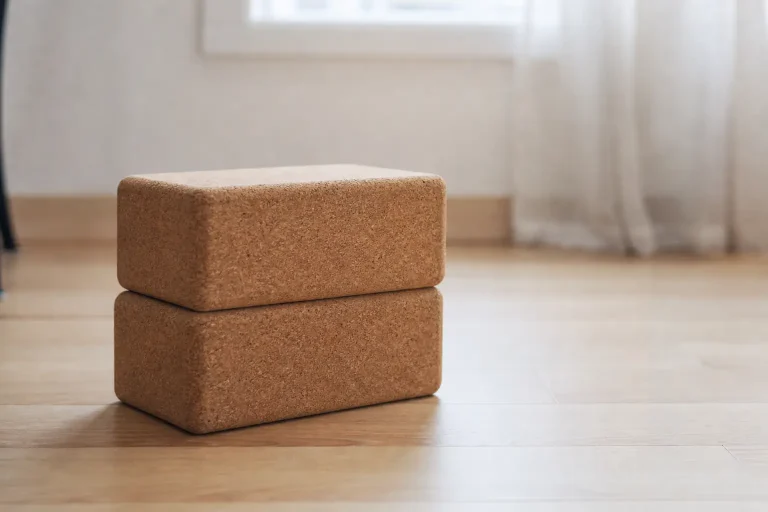
Cork suits a buyer who practices at home and wants a stable, firm block. See the best cork yoga blocks for ranked picks.
- A firm block for stable support.
- A natural material with a textured surface.
- A set with a strap or a guide in the box.
When Foam Is the Better Fit
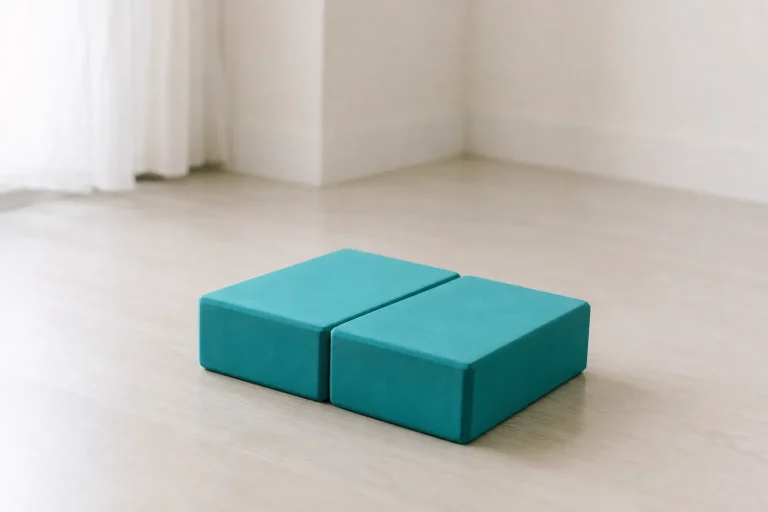
Foam suits a buyer who carries the blocks to class or wants a soft edge. See the best foam yoga blocks for ranked picks.
- A light block for a gym bag.
- A soft block with beveled or rounded edges.
- A pair at a modest price.
Pro tip: Unsure about size? Read what size yoga block to buy before you order.
Yoga Blocks From Our Rankings
A top cork pair and a top foam pair, side by side.
Top cork pair

SNAKUGA Cork Yoga Blocks 2-Pack 4 in
FitScore 71.8/100
Two 4 in cork blocks with a non-slip surface that wipes clean. Ranked #1 in our best cork yoga blocks guide, FitScore 71.8 for that intent.
Check Price on AmazonTop foam pair

Gaiam Yoga Blocks 2-Pack 4 in
FitScore 62/100
Two latex-free 4 in foam blocks with beveled edges. Ranked #1 in our best foam yoga blocks guide, FitScore 62 for that intent.
Check Price on AmazonChecklist Before You Choose a Material
5 checks
Tap a number to check off that step.
- 01
Choose cork for firmness or foam for light weight.
- 02
Check the weight if you carry the blocks.
- 03
Check the surface and the edges.
- 04
Pick a thickness that suits your reach.
- 05
Count the blocks in the box.
Common Mistakes to Avoid
Mistake 1Choosing a material without checking the weight.
Mistake 2Buying a single block when you want a pair.
Mistake 3Ignoring the edges.
Mistake 4Choosing from the product title instead of the material you need.
The Bottom Line
- Our pool holds 8 cork blocks and 8 foam blocks, almost all 9 x 6 in.
- Cork blocks weigh about 1.5 lb to 2.3 lb each where the weight is stated; foam blocks weigh a fraction of that.
- the NCCIH review of yoga effectiveness and safety describes yoga as a practice of poses, breathing and meditation that people adapt to their own level.
- CDC lists adult physical activity guidelines for planning a routine.
Our Top Picks
 Top cork pairSNAKUGA Cork Yoga Blocks 2-Pack 4 inFitScore71.8/100Check on Amazon
- Top foam pairGaiam Yoga Blocks 2-Pack 4 inFitScore62/100Check on Amazon
Frequently Asked Questions
Cork is firmer and heavier; foam is lighter and softer. The better one is the one that suits how you practice.
About 1.5 lb to 2.3 lb each where the weight is stated, more than a foam block.
Foam is softer under load than cork, so it can show wear sooner with hard use.
See our best yoga blocks guide for five ranked picks.
This article contains affiliate links. If you click through and make a purchase, we may earn a small commission at no extra cost to you. As an Amazon Associate, we earn from qualifying purchases. We do not show prices because they change constantly: product details and availability can change at any time, so please check the current price and details directly on Amazon. Learn more. Amazon and the Amazon logo are trademarks of Amazon.com, Inc. or its affiliates.
