

Short answer
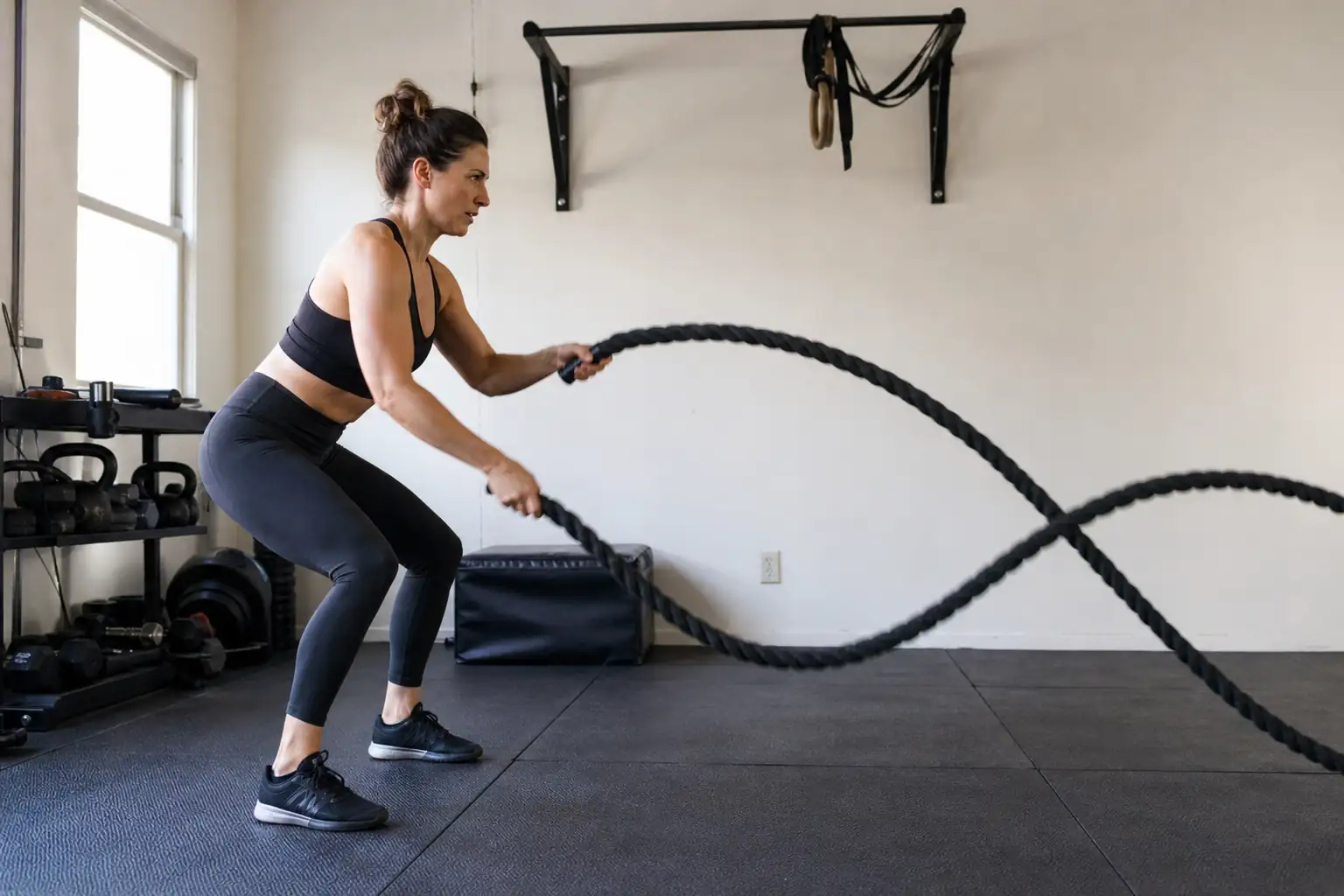
Battle Rope Benefits: A battle rope is a standing, low-impact way to do short conditioning rounds that ask the arms, shoulders, core and grip to work together. It suits small spaces and short sessions; it does not replace heavy lifting or long steady cardio.
Key takeaways
- A battle rope is a standing, low-impact conditioning tool.
- It works the arms, shoulders, core and grip together.
- It suits small spaces and short sessions, not heavy lifting.
To pick a rope, see our best battle ropes guide.
Battle Rope Benefits: What a Battle Rope Trains
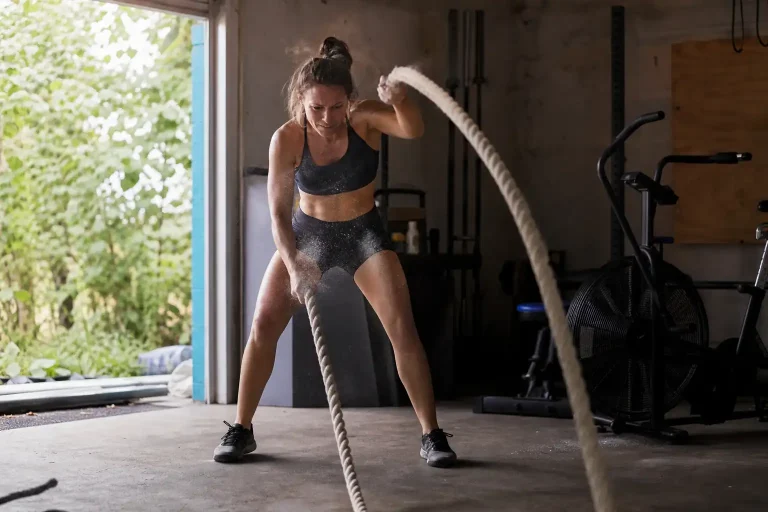
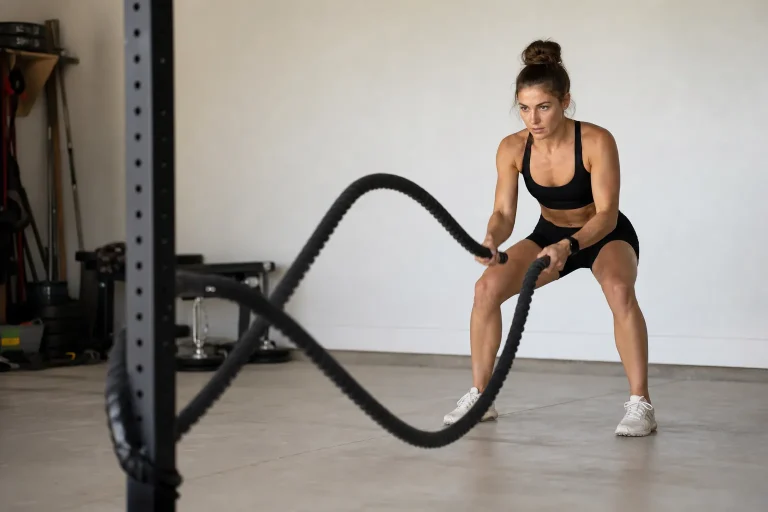
Reviewers describe it as upper-body conditioning with a standing stance, and they say the rope is hard to fake: a round shows quickly when your form fades.
| Area | What it does | Move |
|---|---|---|
| Arms and shoulders | Keep the rope moving for the whole round | Alternating and double waves |
| Grip and forearms | Hold the handles against the rope weight | Slams, thick ropes |
| Core | Keeps the torso still while the arms work | Any wave in a quarter squat |
| Legs and hips | Hold the stance and drive the slams | Squat slams, jumping slams |
Check Amazon for current pricing and availability.
Who a Battle Rope Suits
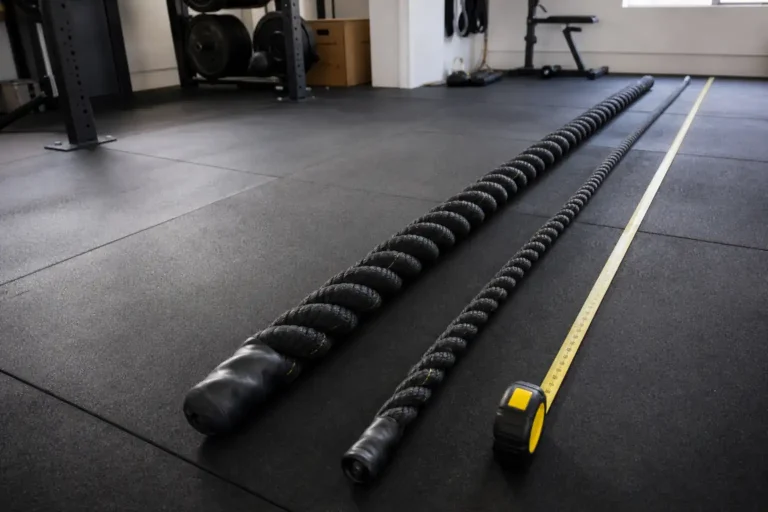
- Small spaces: a 30 ft rope needs about 20 ft of floor and no machine.
- Short sessions: rounds of 15 to 40 seconds fit a 10-minute workout.
- Impact-free cardio: you stay planted, so there is no landing.
- Grip work: a thick rope loads the hands and forearms.
What a Battle Rope Does Not Do
A rope is a conditioning tool, not a full gym. It does not load the legs and back the way heavy lifting does, and it is not suited to long steady cardio. It also needs an anchor and floor space: see how to anchor a battle rope.
- Heavy lifting: pair it with weights if strength is your goal.
- Long cardio: a bike or a rower suits long steady work better.
- Technique: sloppy waves from the wrists do little; drive them from the hips and shoulders.
Pro tip: Ready to train? See our battle rope workouts.
Battle Ropes Worth a Look
A first rope for most hands, a longer one, and a heavy one for grip.
Check the warranty terms before you buy: the FTC explains how to read a product warranty.
Whatever you choose, use it: the CDC recommends at least 150 minutes of moderate activity a week for adults.
First rope

Triberion Battle Rope 1.5 in x 30 ft
FitScore 73.3/100
A 1.5 in x 30 ft rope with a nylon sleeve and an anchor strap kit. Ranked #2 in our best battle ropes guide, FitScore 73.3 for that intent.
Check Price on AmazonLonger waves

Triberion Battle Rope 1.5 in x 50 ft
FitScore 74.9/100
A 50 ft rope in the 1.5 in size. Ranked #1 in our best battle ropes guide, FitScore 74.9 for that intent.
Check Price on AmazonGrip and strength

Perantlb Battle Rope 2 in x 50 ft
FitScore 76.9/100
A 2 in x 50 ft rope, the heaviest size in our pool. Ranked #2 in our best heavy battle ropes guide, FitScore 76.9 for that intent.
Check Price on AmazonChecklist Before You Buy a Battle Rope
6 checks
Tap a number to check off that step.
- 01
Measure about half the rope length plus 5 ft of floor.
- 02
Choose an anchor: a post, a rack upright or a tree.
- 03
Pick 1.5 in for a first rope.
- 04
Plan short rounds with full rest.
- 05
Warm up before your first round.
- 06
Check the return terms on Amazon.
Common Mistakes to Avoid
Mistake 1Expecting a rope to replace heavy lifting.
Mistake 2Waving from the wrists instead of the hips and shoulders.
Mistake 3Buying a 2 in rope before your grip is ready.
Mistake 4Skipping the anchor check.
Mistake 5Doing hard rounds on back-to-back days.
The Bottom Line
- Every wave asks the arms and shoulders to keep moving while the core and legs hold a stance.
- A rope has no impact on landing, so rounds are easier on the joints than jumping.
- The load is set by diameter and length, so one rope can suit a beginner and an athlete at different round lengths.
- Adults are advised at least 150 minutes of moderate or 75 minutes of vigorous activity a week.
Our Top Picks
 First ropeTriberion Battle Rope 1.5 in x 30 ftFitScore73.3/100Check on Amazon
- Longer wavesTriberion Battle Rope 1.5 in x 50 ftFitScore74.9/100Check on Amazon
- Grip and strengthPerantlb Battle Rope 2 in x 50 ftFitScore76.9/100Check on Amazon
Frequently Asked Questions
It is a standing, low-impact way to do conditioning rounds that ask the arms, shoulders, core and grip to work together.
Short, hard rounds raise your breathing quickly; for long steady cardio a bike or a rower suits better.
Yes, with a 1.5 in or 1.26 in rope and short rounds; see our battle rope size guide.
It loads the grip, arms and shoulders, but heavy lifting builds strength more directly.
Yes, with an anchor and about half the rope length plus 5 ft of floor.
Anchor the rope, warm up and try 8 rounds of 20 seconds on and 40 seconds off: see battle rope workouts.
Explore More Battle Rope Guides
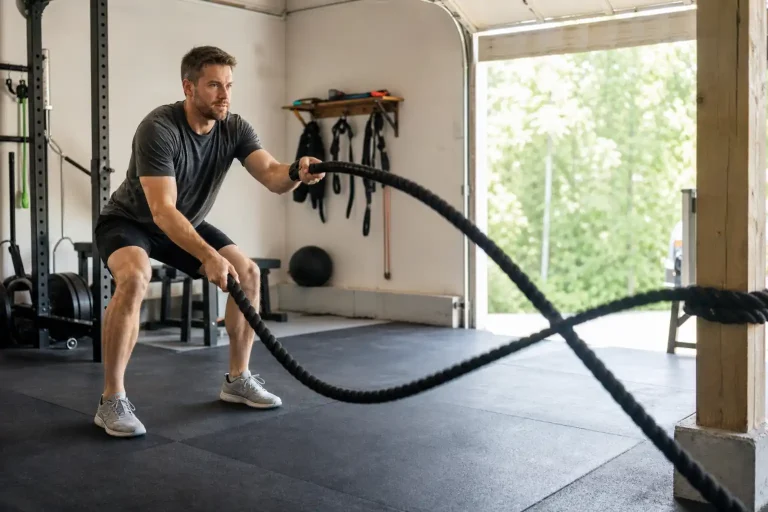
Best Battle Ropes (2026): 5 Ropes Ranked by FitScore
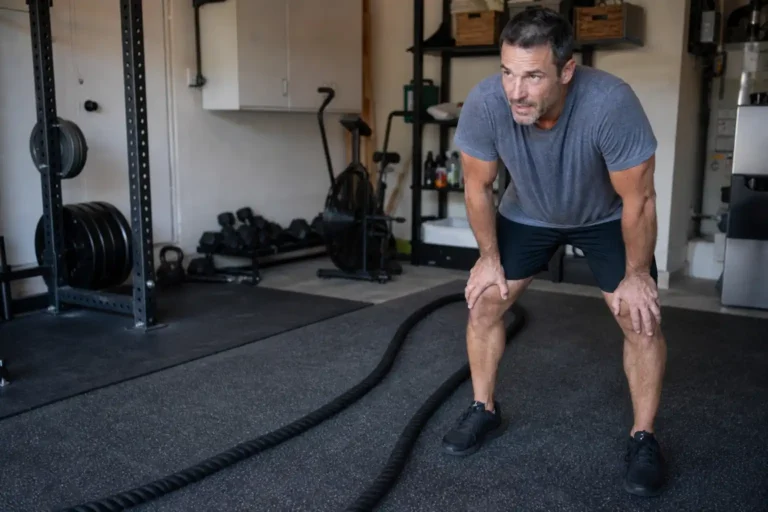
Battle Rope Workouts (2026): 6 Sessions for Cardio, Intervals and Grip
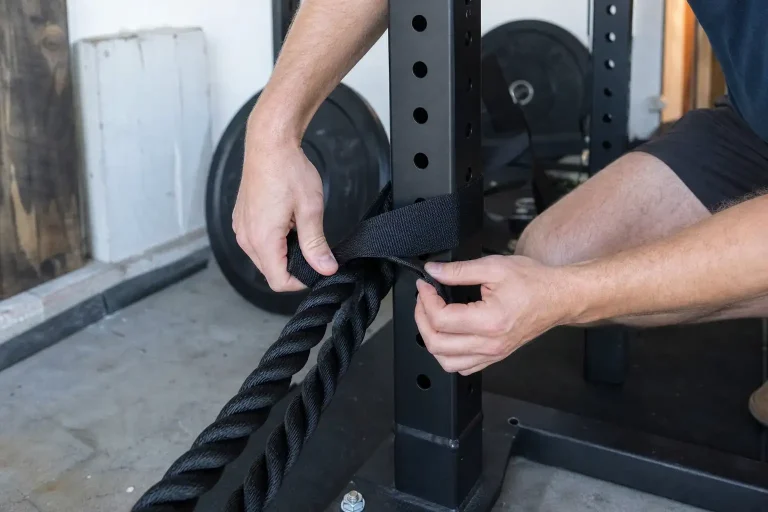
How to Anchor a Battle Rope (2026): 4 Safe Ways at Home
Battle Rope Size Guide (2026): Which Diameter and Length to Buy
Best Heavy Battle Ropes (2026): 5 Thick and Long Ropes Ranked
Best Budget Battle Ropes (2026): 5 Ropes for $50 or Less, Ranked
This article contains affiliate links. If you click through and make a purchase, we may earn a small commission at no extra cost to you. As an Amazon Associate, we earn from qualifying purchases. We do not show prices because they change constantly: product details and availability can change at any time, so please check the current price and details directly on Amazon. Learn more. Amazon and the Amazon logo are trademarks of Amazon.com, Inc. or its affiliates.
