

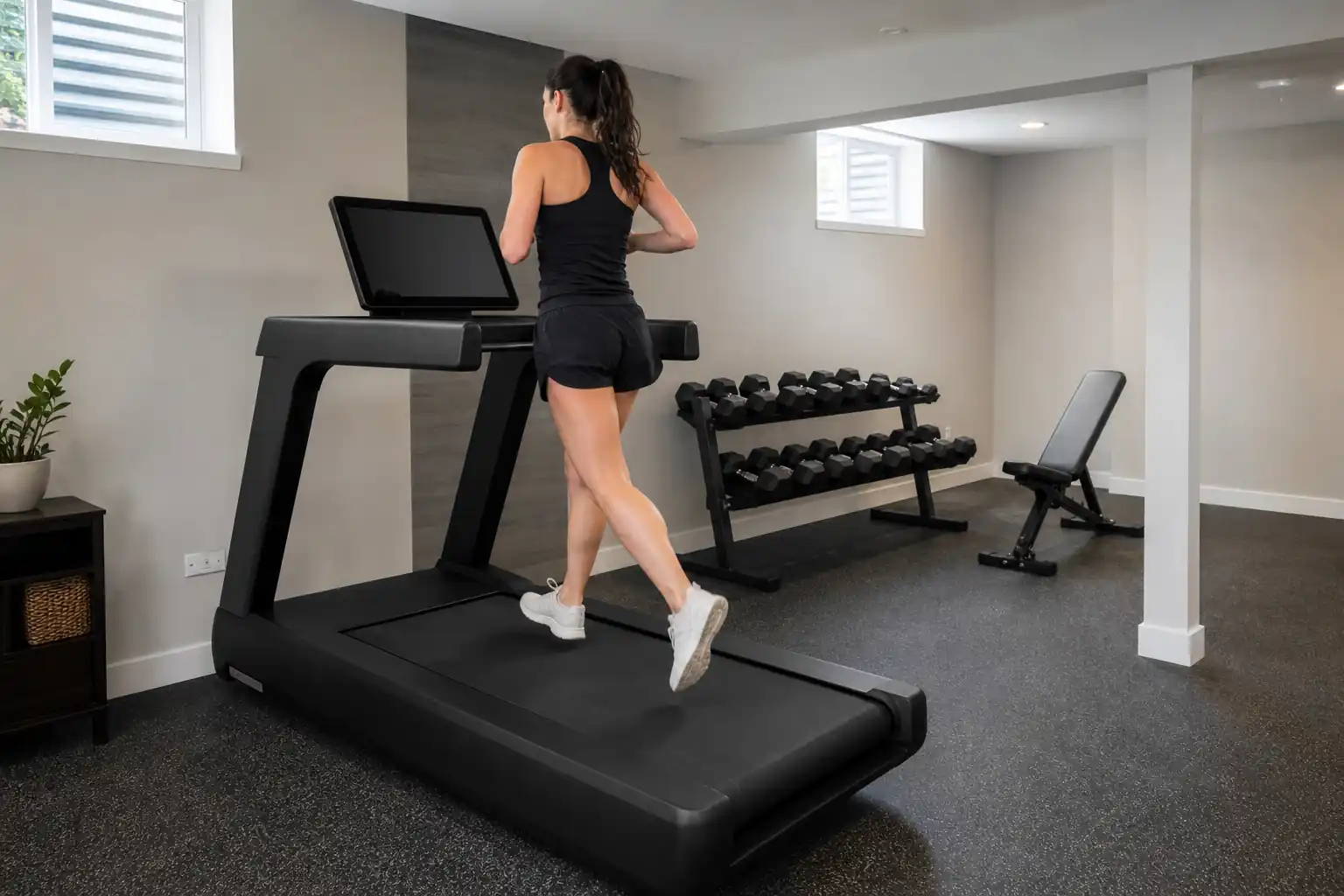
Short answer
Expensive treadmills are worth it if you run often, weigh more, share the machine or want it to last many years: you get stronger motors, wider decks, decline and longer warranties. They are not worth it for walking, occasional use or if you only want a big screen, because a mid-range treadmill and a tablet cover those needs.
Key takeaways
- Premium treadmills add motor power, 22-inch decks, higher capacity, decline and often longer coverage.
- Those upgrades pay off for frequent runners, heavier users and shared machines.
- For walking and occasional use, a mid-range treadmill is usually the better buy.
- Big touchscreens often tie you to a paid class membership.
- Long warranties exist at mid-range too, so compare terms model by model.
A premium treadmill can cost several times as much as a solid mid-range one, and the spec sheets do not always make the difference obvious. Some of the extra spending goes into parts that matter every time you run, such as the motor, deck and frame. Some goes into features you may never use, such as a 24-inch touchscreen or a class library.
This guide breaks down what expensive treadmills add, how each upgrade affects real training, and when a mid-range model is the smarter buy. We use specs and warranty terms from our own reviews and rankings, including the best premium treadmill and best value treadmill guides, and we do not quote prices because they change constantly.
What an Expensive Treadmill Adds
Premium treadmills differ from mid-range ones in a handful of places. The motor has more continuous power, the deck is wider, the frame is heavier and rated for more weight, and the incline range often extends into decline. Warranty coverage on parts and labor tends to be longer, and many top models add large touchscreens.
The table compares typical specs from our rankings. It uses the Horizon 7.0 AT as a mid-range reference and the Sole F89 and NordicTrack Commercial 2450 as premium references.
| Spec | Horizon 7.0 AT (mid-range) | Sole F89 (premium) | NordicTrack Commercial 2450 (premium) |
|---|---|---|---|
| Motor | 3.0 HP | 4.0 HP | 4.25 HP |
| Deck | 20 × 60 in | 22 × 60 in | 22 × 60 in |
| Top speed | 12 mph | 12 mph | 14 mph |
| Incline / decline | 0–15% | Up to 15%, with decline | −3% to 12% |
| Weight capacity | 325 lb | 375 lb | 400 lb |
| Warranty (frame / motor / parts / labor) | Lifetime / lifetime / 3 yr / 1 yr | Lifetime / lifetime / 3 yr / 1 yr | 10 yr / lifetime / 2 yr / 1 yr |
| Screen and classes | LCD, third-party apps | Touchscreen, third-party apps | 24-inch touchscreen, iFIT membership |
Check Amazon for current pricing and availability.
Motor Power: Headroom for Running and Heavier Users
A stronger motor matters most when the load is high: running at speed, sprint intervals, steep incline and heavier users. A motor working well below its limit runs cooler and usually sounds calmer, and it holds belt speed better when your foot lands. At walking speeds, most mid-range motors already have enough power.
Premium picks in our rankings use 3.5 to 4.25 HP. The Horizon 7.4 AT lists a 3.5 CHP motor, the Sole TT8 and Sole F89 list 4.0 HP and the NordicTrack Commercial 2450 lists 4.25 HP. Compare that with 2.0 to 2.25 HP on compact folding treadmills and about 3.0 HP on mid-range models. Check whether a rating is continuous or peak, since peak figures always read higher.
Worth it if you run several times a week, train for races or weigh near the capacity of a mid-range model. Not worth it for walking or easy jogging. See best treadmill for running and best treadmill for heavy runners for models with the most motor headroom.
Deck Size, Cushioning and Frame Stability
Premium treadmills almost always use a 22 × 60-inch deck. The extra width over a 20-inch deck gives you room to drift without stepping on the side rails, which helps at higher speeds, for larger runners and when you are tired at the end of a session. Taller runners benefit most from the full 60-inch length; our best treadmill for tall runners guide focuses on it.
Cushioning gets more sophisticated too. NordicTrack’s SelectFlex on the NordicTrack T Series 16 lets you switch between softer and firmer settings, and Horizon uses a zoned design on the 7.0 AT and 7.4 AT. Our treadmill cushioning guide explains that cushioning adds comfort but does not replace a stable frame and sensible training.
Frame weight and capacity tell you how solid the machine will feel. The Horizon 7.4 AT weighs about 318 lb and is rated for 350 lb; the Sole TT8 and NordicTrack Commercial 2450 are rated for 400 lb. Lighter mid-range frames are fine for walking and jogging, but a heavy frame shakes less during fast running.
Incline and Decline Range
Incline is common across tiers: many mid-range treadmills reach 12 to 15%, and even some compact models offer auto incline. Decline is where premium models stand out. In our data, the Sole F89 and Sole TT8 list decline, and the NordicTrack Commercial 1250 and Commercial 2450 list −3% to 12%. Decline lets you practice downhill running and makes iFIT route simulations more realistic.
Worth it if you train for hilly races or trail events, or if you follow outdoor-route workouts. For most walkers and general fitness users, a 0 to 15% incline range is plenty. Our best treadmill with incline guide compares incline ranges, and the best incline trainer guide covers machines built for steep walking.
Warranty: The Clearest Signal of Build Quality
Warranty terms are one of the few places where makers put a number on how long they expect a treadmill to last. Look at parts and labor, not only frame and motor: belts, rollers, boards and consoles are the parts that wear, and labor coverage decides who pays for the visit.
Long coverage is not limited to the most expensive models. The mid-range Horizon 7.0 AT and XTERRA TR75 list lifetime frame and motor coverage, while some premium iFIT machines list shorter terms, such as 2 years across the board on the NordicTrack Commercial 1750. The FTC explains how to read a warranty and what full and limited warranties mean. Terms change, so check the current warranty on the product page.
| Model | Frame | Motor | Parts | Labor |
|---|---|---|---|---|
| Horizon 7.4 AT | Lifetime | Lifetime | 5 years | 2 years |
| Sole TT8 | Lifetime | Lifetime | 5 years | 2 years |
| Sole F89 | Lifetime | Lifetime | 3 years | 1 year |
| NordicTrack Commercial 2450 | 10 years | Lifetime | 2 years | 1 year |
| Horizon 7.0 AT | Lifetime | Lifetime | 3 years | 1 year |
| XTERRA TR75 | Lifetime | Lifetime | 2 years | 1 year |
| ProForm Carbon TLX | 10 years | 1 year | 1 year | 1 year |
Screens, Classes and Subscriptions
Large touchscreens are the most visible premium feature and the easiest one to overpay for. The NordicTrack Commercial 2450 has a 24-inch touchscreen, the ProForm Pro 9000 and NordicTrack T Series 16 have 16-inch screens, and the Peloton Tread has a large touchscreen of its own. These screens are built around class platforms: iFIT for NordicTrack and ProForm, Peloton classes for the Tread. Both require a paid membership for the full experience.
If classes keep you consistent, a connected treadmill can be worth it; our best treadmill with classes and best treadmill with screen guides compare the options. If you prefer your own apps or streaming on a tablet, treadmills from Horizon, Sole and XTERRA work without a membership. The Sole F89 pairs its touchscreen with third-party apps, and our best treadmill without subscription guide covers more options.
Pro tip: Before paying for a big screen, try the class app you are considering on a phone or tablet. If you do not use it there, you probably will not use it on the treadmill either.
When an Expensive Treadmill Is Not Worth It
An expensive treadmill is overkill if you will mainly walk. Walking puts little load on the motor and deck, and a mid-range or compact treadmill handles it well. The same goes for occasional users, people testing a new habit and anyone short on space, where a folding model or walking pad fits the room better. Our best treadmill for walking and best walking pad guides cover these needs.
It is also not worth it if the main attraction is the screen. A tablet holder and a free or low-commitment app can deliver much of the same experience. And it is not worth stretching for a premium model if it means skipping a mat, good shoes or regular maintenance, which affect comfort and lifespan more than an extra half horsepower. The best budget treadmill and best value treadmill guides show how much treadmill a mid-range budget buys.
Best Mid-Range Alternative
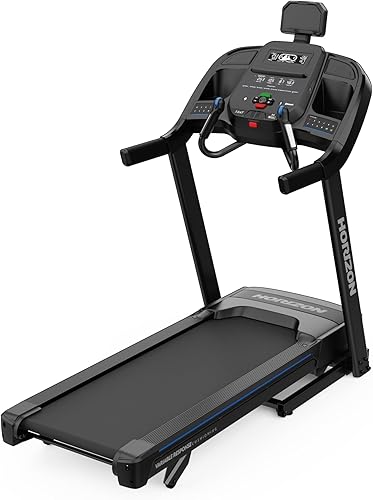
Horizon 7.0 AT
FitScore 80.8/100
A 3.0 HP motor, 20 × 60-inch deck and 0–15% incline with lifetime frame and motor coverage and no required subscription.
Ranked in our Best Value Treadmill in 2026 guide
Check Price on AmazonBest High-Capacity Value

Sole F65
FitScore 78.5/100
A wide 22 × 60-inch deck, 3.0 HP motor and 350-lb capacity with a lifetime frame and motor warranty.
Ranked in our Best Value Treadmill in 2026 guide
Check Price on AmazonBest Lightweight Frame
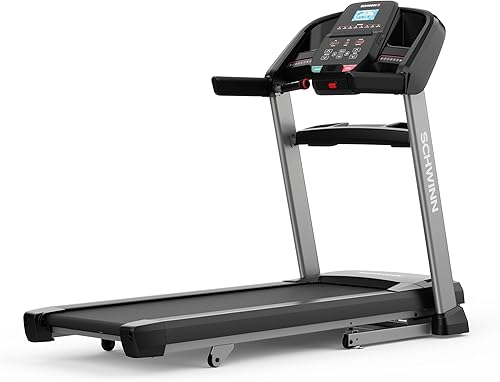
Schwinn Fitness 815
FitScore 76.9/100
A 3.0 HP motor and 20 × 60-inch deck in a lighter folding frame, with 10 years on frame and motor.
Ranked in our Best Value Treadmill in 2026 guide
Check Price on AmazonWhen an Expensive Treadmill Is Worth It
Premium pays off when the treadmill works hard. Runners who train most days, marathon and half-marathon runners, people who do fast intervals and heavier runners load the motor, deck and frame far more than walkers, and premium models are built for that. Households where several people use the treadmill every day add up hours quickly too. The CDC’s physical activity guidelines for adults call for at least 150 minutes of moderate activity a week, so a shared treadmill can easily log many hours a week.
It is also worth it if you plan to keep the machine for many years and value long parts and labor coverage, or if you need decline or a 14 mph top speed. Our best treadmill for marathon training, best durable treadmill and best commercial treadmill guides rank the strongest options.
Best Premium Overall

NordicTrack Commercial 2450
FitScore 90.7/100
A 4.25 HP motor, 14 mph top speed, −3% to 12% range, 400-lb capacity and a 24-inch touchscreen for iFIT.
Ranked in our Best Premium Treadmill Picks for 2026 guide
Check Price on AmazonBest Without a Membership

Sole F89
FitScore 90.1/100
A 4.0 HP motor, 22 × 60-inch deck and 375-lb capacity, with incline and decline and support for third-party apps.
Ranked in our Best Premium Treadmill Picks for 2026 guide
Check Price on AmazonBest Premium Value

Horizon 7.4 AT
FitScore 87.9/100
A 3.5 CHP motor and 22 × 60-inch deck with a lifetime frame and motor, 5 years on parts and 2 years of labor.
Ranked in our Best Premium Treadmill Picks for 2026 guide
Check Price on AmazonBefore You Pay for a Premium Treadmill
- Write down how often you will run, not just walk.
- Check the heaviest user against the weight capacity with room to spare.
- Compare continuous motor ratings across the models you are considering.
- Decide whether you need a 22-inch deck or whether 20 inches is enough.
- Decide whether you will actually use decline.
- Compare parts and labor coverage, not only frame and motor.
- Check whether the screen requires a paid membership for classes.
- Confirm the machine fits your room, ceiling height and doorways.
Common Mistakes to Avoid
- Buying a premium running treadmill for walking only.
- Paying for a large screen without trying the class platform first.
- Assuming every premium model has a long warranty.
- Comparing peak horsepower instead of continuous ratings.
- Ignoring the size and weight of premium machines until delivery day.
The Bottom Line
- Premium picks in our rankings use 3.5 to 4.25 HP motors and 22 × 60-inch decks, versus 2.0 to 3.0 HP and 16 to 20-inch widths lower down.
- Weight capacity rises to 350 to 400 lb on premium models such as the Sole TT8 and NordicTrack Commercial 2450.
- Decline is mostly a premium feature: the Sole F89, Sole TT8 and NordicTrack Commercial series list it.
- Large touchscreens often come with a class membership; Horizon, Sole and XTERRA models work without one.
Our Top Picks
 Best Mid-Range AlternativeHorizon 7.0 ATFitScore80.8/100Check on Amazon
- Best High-Capacity ValueSole F65FitScore78.5/100Check on Amazon
- Best Lightweight FrameSchwinn Fitness 815FitScore76.9/100Check on Amazon
- Best Premium OverallNordicTrack Commercial 2450FitScore90.7/100Check on Amazon
- Best Without a MembershipSole F89FitScore90.1/100Check on Amazon
- Best Premium ValueHorizon 7.4 ATFitScore87.9/100Check on Amazon
Frequently Asked Questions
Usually not. Walking puts little load on the motor and deck, so a mid-range or compact treadmill with a capacity above your weight is enough.
A stronger motor, a wider deck, higher weight capacity, often decline and longer parts and labor coverage. Many also have large touchscreens for classes.
Generally yes, because of heavier frames, stronger motors and longer warranties, but maintenance and matching the treadmill to your use matter just as much.
Only if you will use the classes. Big screens usually need a paid membership; a tablet and your own apps can do much of the same job.
Not automatically. A stable frame, a wide deck and good cushioning help; our best treadmill for bad knees guide includes both premium and mid-range options.
The NordicTrack Commercial 2450 ranks first in our best premium treadmill guide, with the Sole F89 a close second for buyers who do not want a membership.
Yes, for most runners. A 20 × 60-inch deck, about 3.0 HP continuous and lifetime motor coverage handle regular running; daily runners and heavier runners benefit from a step up.
Explore More Treadmill Guides
Best Premium Treadmill Picks for 2026: 5 High-End Options Worth Buying
Best Value Treadmill in 2026: 5 Smart Picks and the 1 No-Regret Choice
Best Durable Treadmill (2026): 5 Heavy-Duty Home Picks
Best Treadmill for Running (2026): Top 5 Picks
Best Treadmill Brands (2026): Who Makes the Best Treadmill for Your Home
Best Treadmill Under $2000 (2026): 5 Picks Ranked
This article contains affiliate links. If you click through and make a purchase, we may earn a small commission at no extra cost to you. As an Amazon Associate, we earn from qualifying purchases. We do not show prices because they change constantly: product details and availability can change at any time, so please check the current price and details directly on Amazon. Learn more. Amazon and the Amazon logo are trademarks of Amazon.com, Inc. or its affiliates.
