

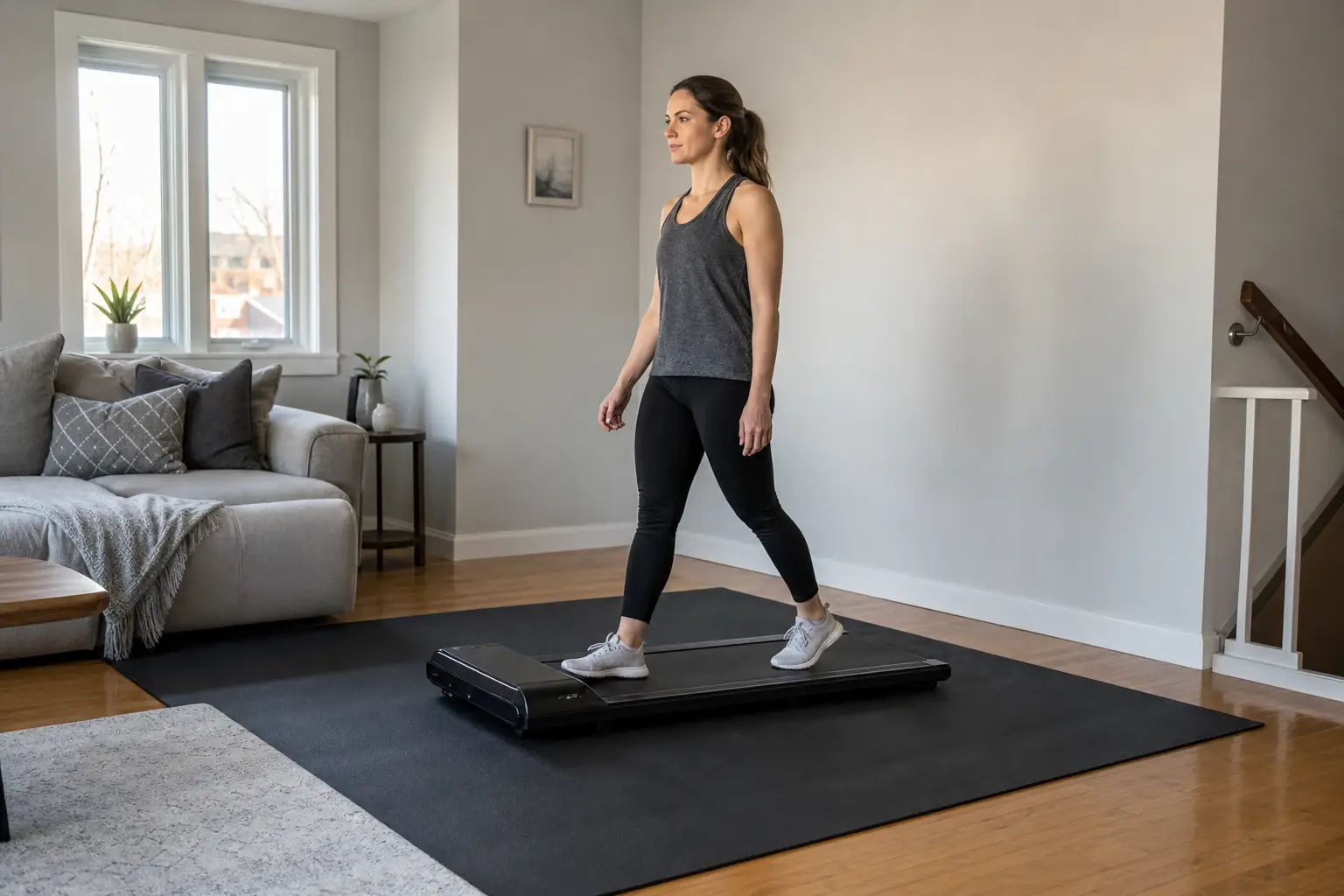
Short answer
In independent tests we collected, treadmill noise levels mostly ran from the mid-40s to high 50s in decibels at walking speed and the mid-60s to about 70 dB at running speeds, measured without a user. Footstrikes add more, especially through floors. A dense mat, a lubricated and tensioned belt, good placement and walking instead of running cut noise most.
Quick facts
- Measured walking-speed readings in our research range from about 45 dB (NordicTrack Commercial 1750) to about 57 dB (Horizon T101).
- At running speeds, readings cluster around 65 to 70 dB, somewhat above the CDC example of normal conversation at about 60 dB.
- Horizon and Schwinn manuals state no more than 70 dB at 7.5 mph without a user, and note that noise under load is higher.
- Walking pad noise claims under 45 dB are advertised figures; one owner measured about 60 dB on a walking pad at 2.2 mph.
- Footfall impact usually bothers neighbors below more than motor noise does.
Key takeaways
- Measured walking noise mostly falls between the mid-40s and high 50s in dB; running readings sit around 65 to 70 dB.
- Footstrike impact travels through floors and is often the real problem for neighbors.
- Walking is far quieter than running, both at the motor and at the floor.
- A dense mat, lubrication, belt tension and tight bolts cut noise the most.
- Advertised walking pad noise claims are often lower than owner measurements.
- Sudden new noises are warning signs that need a check.
Treadmill noise is one of the biggest worries for apartment dwellers, early risers and anyone who works out while others sleep. Brands rarely publish a standardized decibel figure, and the few numbers you see are measured in different ways, so it is hard to know what to expect before the treadmill arrives.
This guide brings together the noise measurements we found in our product research, explains where treadmill noise comes from and why walking and running sound so different, and then covers what actually makes a treadmill quieter. If you just want a quiet machine, our best quiet treadmill, best quiet treadmill for apartment and best quiet walking pad guides rank models for quieter homes.
How Loud Is a Treadmill?
Measured treadmill noise depends heavily on speed, distance from the microphone and whether someone is on the deck. Most of the figures below come from independent testers who measured without a user, so real workouts with footstrikes will be louder. Treat them as a rough comparison, not a lab ranking, and expect a few decibels of difference between test setups.
For context, the CDC lists a refrigerator hum at about 40 dB and normal conversation at about 60 dB, and it notes that noise above 70 dB over a prolonged period may start to damage hearing. Most walking readings we found sit below conversation level, and running readings land around or just under 70 dB.
Manufacturer statements are rare but useful. The manuals for the Horizon 7.0 AT and Schwinn Fitness 815 state that A-weighted sound pressure is no greater than 70 dB at 7.5 mph with no user on the treadmill, and that noise is higher under load.
| Treadmill | Walking speed | Running speed | Conditions and notes |
|---|---|---|---|
| NordicTrack Commercial 1750 | About 45 dB | About 66 dB at 7.5 mph | Independent test; mid-pack for its class |
| Sole F80 (2025 model) | About 46 dB at 3 mph | About 65 dB at 12 mph | Independent test on the previous model year |
| Horizon 7.0 AT | From about 50 dB | Up to about 68 dB | Independent test, no user; manual: 70 dB or less at 7.5 mph |
| WELLFIT TM029 | About 51 dB at 3 mph | About 66 dB at 10 mph | Independent test |
| NordicTrack Commercial 2450 | About 55 dB at 3 mph | About 67 dB at 12 mph | Independent test; fan adds noise |
| Horizon T101 | About 57 dB at 3 mph | About 70 dB at 10 mph | Independent test, no user |
| ProForm Carbon TLX | — | About 65 dB at 6 mph | Independent test from 3 ft |
Check Amazon for current pricing and availability.
Where Treadmill Noise Comes From
Treadmill noise has several sources. The drive motor hums or whines, rising with speed. The belt sliding over the deck adds a steady swish, which grows louder and rougher when the deck is dry. Rollers and bearings add a whir and, when worn, a squeal or grind. The incline motor makes noise while it moves, and console fans add a constant whoosh.
Then there is you. Each footstrike sends an impact through the deck and frame into the floor. That impact noise, a thud rather than a hum, travels through floors and walls far better than airborne motor noise and is usually what neighbors below complain about. It is also why measured figures taken without a user understate what a real workout sounds like.
Some models are louder in specific ways. Testers found the NordicTrack T Series 10 louder than average during large incline changes, and found the NordicTrack Commercial 2450 noticeably loud with the fan on. Our treadmill buying guide explains how motor size and frame weight relate to noise.
- Motor: hum or whine that rises with speed.
- Belt and deck: swish that gets rougher when the deck is dry.
- Rollers and bearings: whir, or squeal and grinding when worn.
- Incline motor and fans: noise during adjustments and a steady whoosh.
- Footstrikes: impact thuds that travel through floors.
Walking vs Running Noise
Walking is much quieter than running for two reasons. The motor and belt run slower, and the walking readings in the table above sit about 12 to 21 dB below the running readings for the same models, and walking has no flight phase, so each step lands with far less impact. That makes walking the single easiest way to keep a treadmill quiet.
Running brings both the higher machine noise in the table above and heavy footfall. In an apartment, a running treadmill is likely to be heard below you even on a good mat. If you share walls or floors and want to run, choose a heavy, stable frame with a strong motor and plan your running for daytime hours. Our best treadmill for apartment guide covers models that balance size and stability.
A stronger motor can sound calmer at walking speeds because it works well below its limit, but motor power alone does not guarantee a quiet machine. Deck isolation, frame stiffness and fan design matter as much.
Are Walking Pads Quieter Than Treadmills?
Walking pads usually are quieter at the source, because they run at low speeds with small motors and you only walk on them. Many listings advertise figures under 45 dB. Those are manufacturer claims without a stated method, and owner measurements can be much higher: one owner of a TREAFLOW walking pad measured about 60 dB at 2.2 mph with a phone app, well above the brand claim, and a tester found the WalkingPad P1 fairly loud, roughly like a regular treadmill.
Walking pads also sit low, often with thin decks, so footsteps transfer more directly to the floor. On hard floors, a mat helps as much here as on a full-size treadmill. If quiet desk walking is your goal, see our best quiet walking pad and best under desk treadmill guides, and our treadmill vs walking pad comparison for the wider trade-offs.
Best Quiet Walking Pad

Trisomy D2
FitScore 63/100
A walking pad with a 450-lb capacity and auto incline, ranked first in our quiet walking pad guide.
Ranked in our Best Quiet Walking Pad guide
Check Price on AmazonLongest Belt

Acezoe P14
FitScore 62.1/100
A 15.75 × 40.16-inch belt and a 300-lb capacity for a longer walking stride at desk-walking speeds.
Ranked in our Best Quiet Walking Pad guide
Check Price on AmazonLowest Published Noise

AKLUER TW140L
FitScore 56.6/100
A flat under-desk pad with auto incline; the listing advertises operation under 45 dB, which owners have not verified.
Ranked in our Best Quiet Walking Pad guide
Check Price on AmazonHow to Reduce Treadmill Noise
Start with the floor. A dense rubber equipment mat larger than the treadmill footprint dampens vibration, protects the floor and keeps the frame from rattling. Thick, soft foam can let the frame rock, so choose firm rubber. On upper floors, a layer of dense rubber flooring under the mat spreads impact further. Owners of models like the NordicTrack T 6.5 S commonly report that a rubber mat on hard floors is the usual fix.
Then maintain the machine. A dry deck, a loose or over-tight belt, loose bolts and worn bearings all add noise. Lubricate the deck on the schedule your manual gives, check belt tension and tracking, tighten frame bolts and level the treadmill so it does not rock. Our lubrication guide and maintenance guide walk through each step.
Placement and habits make a difference too. Keep the treadmill a few inches away from walls so vibration does not transfer, avoid placing it above a bedroom, and wear cushioned running shoes. A lighter step can also reduce thuds.
- Use a dense rubber mat larger than the footprint; avoid soft foam.
- Lubricate the deck and set belt tension as the manual describes.
- Tighten bolts, check the folding hinge and level the frame.
- Leave space between the treadmill and walls or furniture.
- Place it on the ground floor or over a hallway rather than a bedroom.
- Walk instead of running at quiet hours, and wear cushioned shoes.
Apartment and Upstairs Tips
In an apartment, think about the people below as much as the room you are in. Impact noise travels downward, so a treadmill over a neighbor bedroom is the worst spot. A corner over a hallway, kitchen or entry is usually better, and a stack of dense rubber tiles under the mat adds isolation.
Timing matters. Walking early in the morning or late at night is often fine with a good mat, while running is best kept to daytime hours. Check your lease or building rules, and consider talking to neighbors before you set up. Lighter, compact models are easier to place well; our best treadmill for small spaces and best treadmill for shared spaces guides help with layout.
Pro tip: Before committing to a spot, have someone stand in the room below while you walk and then jog for a minute. It is the fastest way to find out whether a mat or a different location is needed.
When Noise Means Something Is Wrong
A treadmill that suddenly gets louder is telling you something. A new squeak usually means a loose bolt, the hinge or a dry deck. A rhythmic thump once per belt rotation is often the belt seam, normal if faint but worth checking if it grows. Grinding or squealing from the rollers points to worn bearings, and a rough or pulsing motor sound, especially with a hot smell, means it is time to stop.
Unplug the treadmill and stop using it if you smell burning or see sparks. Record a short video of any new noise before calling support, since it helps the technician diagnose the problem. Our maintenance guide includes a troubleshooting table for squeaks, thumps and other symptoms.
Watch out: Always unplug the treadmill and remove the safety key before checking bolts, the belt or the motor area. Never reach near the rear roller while the belt is moving.
Quiet Treadmills We Recommend
If noise is a top priority, start with models that have measured or manual-stated figures. The Horizon 7.0 AT ranks first in our best quiet treadmill guide, with independent testing reporting roughly 50 to 68 dB across speeds without a user. The Horizon T101 is a compact option measured at about 57 dB at 3 mph, and the Schwinn Fitness 815 has a manual rating of no more than 70 dB at 7.5 mph unloaded.
Remember that any treadmill will sound louder with you on it, so pair a quiet model with a mat and good maintenance. For apartments, see our best quiet treadmill for apartment ranking, which weighs noise, size and stability together.
Best Quiet Overall
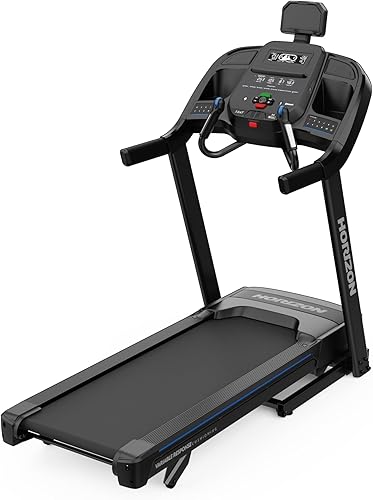
Horizon 7.0 AT
FitScore 81/100
Independent testing reported about 50 to 68 dB across speeds without a user; 3.0 HP motor, 20 × 60-inch deck and 0–15% incline.
Ranked in our Best Quiet Treadmill guide
Check Price on AmazonLowest Measured Walking Noise

Horizon T101
FitScore 69.1/100
Measured at about 57 dB at 3 mph; a 20 × 55-inch deck and 300-lb capacity in a folding frame.
Ranked in our Best Quiet Treadmill for Apartment guide
Check Price on AmazonBest Lightweight Frame
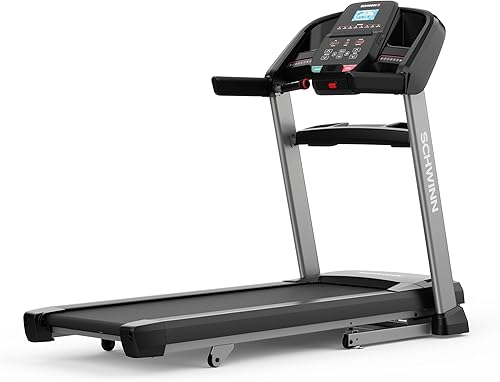
Schwinn Fitness 815
FitScore 70.4/100
A 3.0 HP motor and 20 × 60-inch deck, with a manual rating of no more than 70 dB at 7.5 mph without a user.
Ranked in our Best Quiet Treadmill for Apartment guide
Check Price on AmazonQuiet Treadmill Checklist
- Look for measured noise figures and check the speed and conditions behind them.
- Treat advertised decibel claims without a method as marketing.
- Plan for a dense rubber mat larger than the footprint.
- Choose a heavy, stable frame if you will run.
- Pick a spot away from bedrooms below and from shared walls.
- Keep the deck lubricated and the belt tensioned.
- Check how loud the fan and incline motor are in reviews.
Common Mistakes to Avoid
- Comparing decibel figures measured at different speeds and distances.
- Trusting advertised sub-45 dB claims without owner measurements.
- Using a soft foam mat that lets the frame rock.
- Running late at night above a neighbor bedroom.
- Ignoring a new squeak or grind until a part fails.
- Placing the treadmill tight against a shared wall.
Our Top Picks
 Best Quiet Walking PadTrisomy D2FitScore63/100Check on Amazon
- Longest BeltAcezoe P14FitScore62.1/100Check on Amazon
- Lowest Published NoiseAKLUER TW140LFitScore56.6/100Check on Amazon
- Best Quiet OverallHorizon 7.0 ATFitScore81/100Check on Amazon
- Lowest Measured Walking NoiseHorizon T101FitScore69.1/100Check on Amazon
- Best Lightweight FrameSchwinn Fitness 815FitScore70.4/100Check on Amazon
Frequently Asked Questions
In the independent tests we collected, about 45 to 57 dB at walking speed and about 65 to 70 dB at running speeds, measured without a user. Real workouts are louder because of footstrikes.
It is about the level of normal conversation, according to the CDC. For a treadmill, it is typical of brisk walking or light jogging on many models.
Often, especially when you run. Footstrike impact travels through floors, so a dense mat, a good location and walking during quiet hours make the biggest difference.
Put it on a dense rubber mat, lubricate the deck, set belt tension, tighten bolts, level the frame and keep it away from walls. Walking instead of running is quieter still.
Usually at the motor, because they run slowly. Advertised figures under 45 dB are claims, and owner measurements can be higher, so a mat still helps.
A dry deck, a loose belt, loose bolts or worn bearings are common causes. Unplug it, check and lubricate as the manual describes, and call support if grinding or a hot smell continues.
The Horizon 7.0 AT ranks first in our best quiet treadmill guide, with independent testing reporting about 50 to 68 dB across speeds without a user.
Explore More Treadmill Guides
Best Quiet Treadmill (2026): 5 Home-Friendly Picks
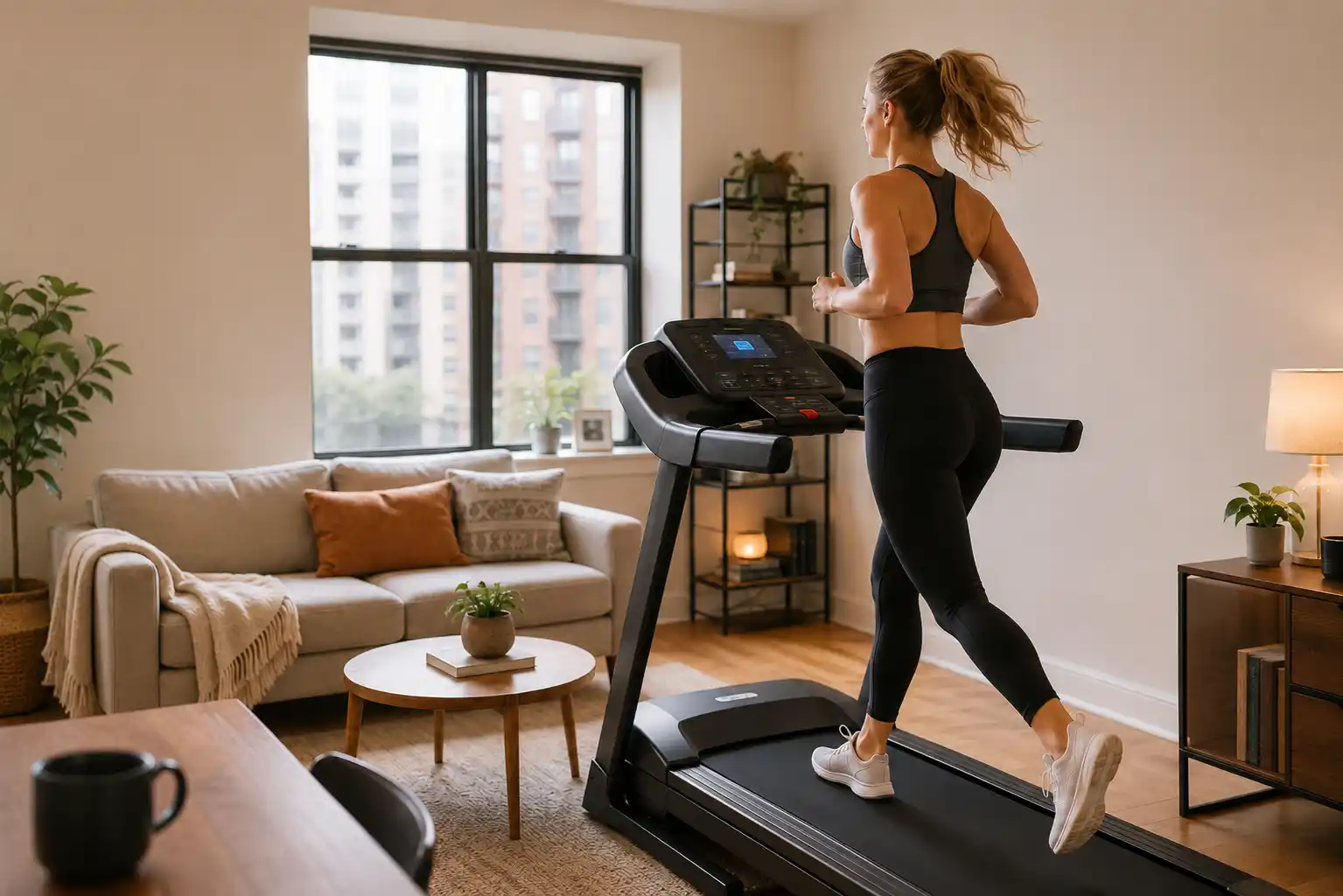
Best Quiet Treadmill for Apartment (2026): 5 Low-Noise-Friendly Picks
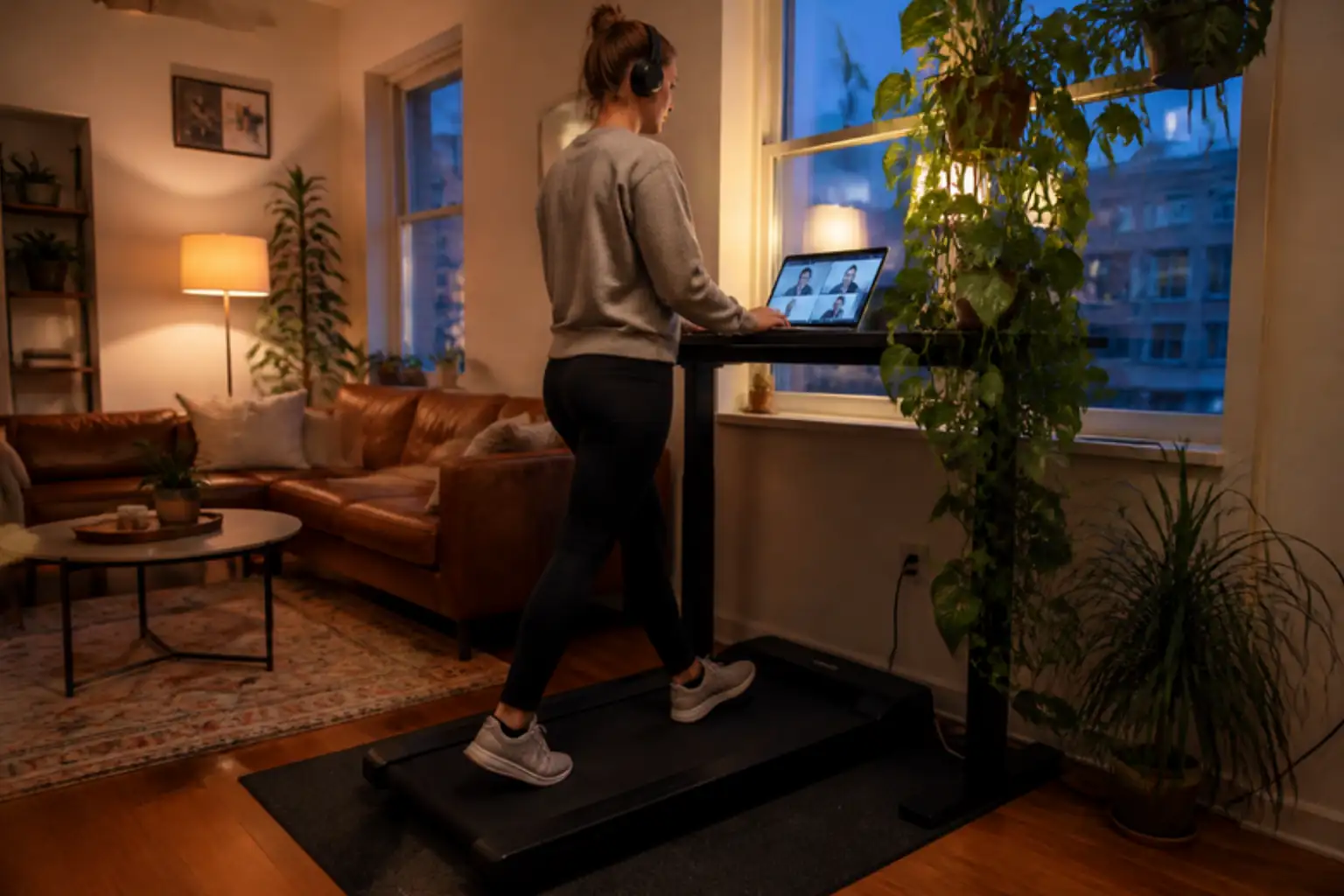
Best Quiet Walking Pad (2026): 5 Picks for Shared Spaces
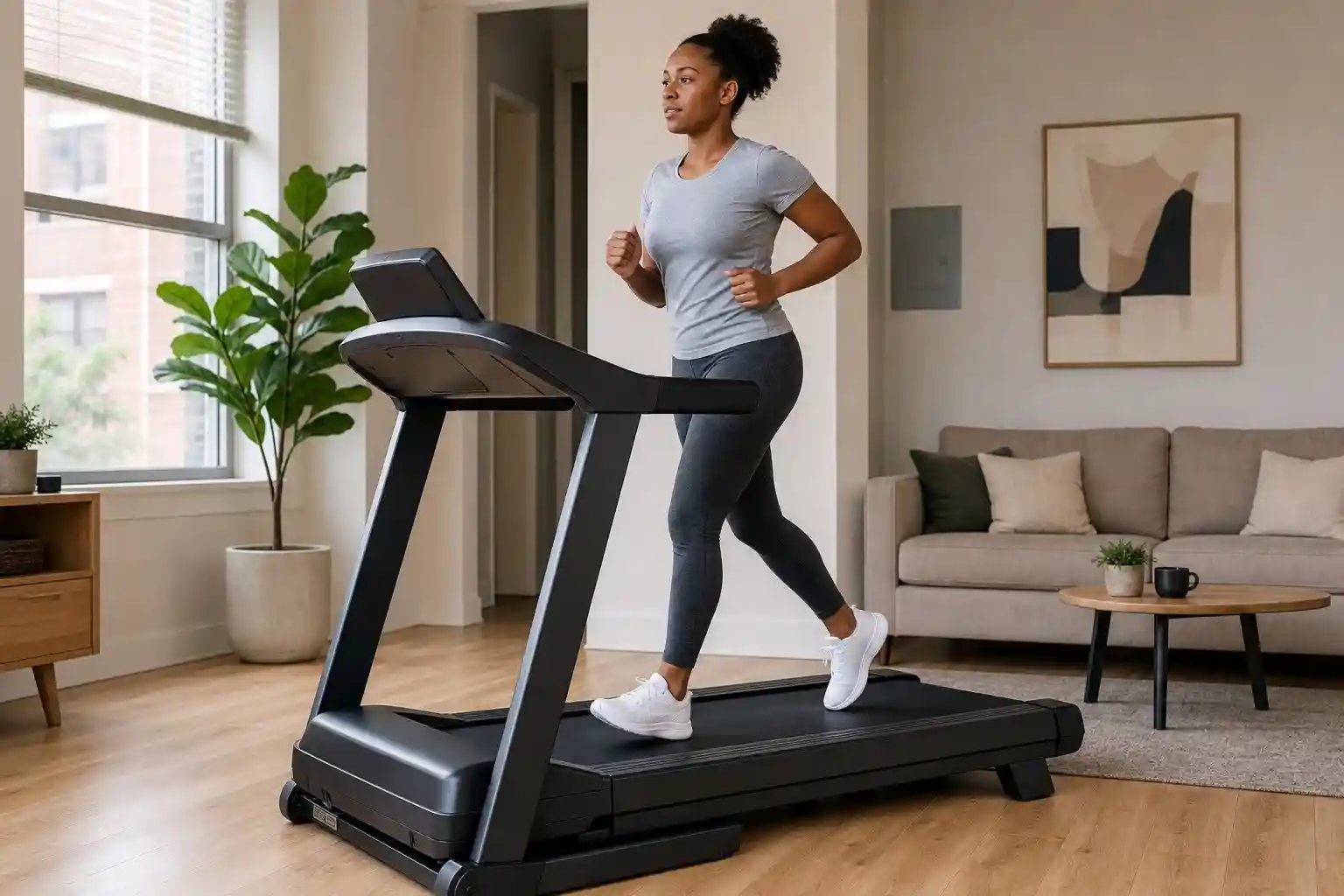
Best Treadmill for Apartment (2026): 5 Smart Picks That Fit and Still Feel Worth the Money
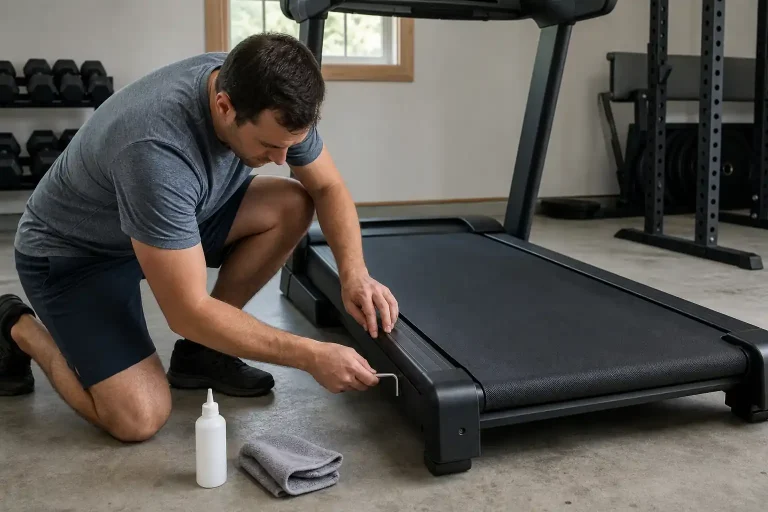
How to Maintain a Treadmill (2026): The Complete Home Care Guide
Best Under Desk Treadmill (2026): 5 Picks for Walking While You Work
This article contains affiliate links. If you click through and make a purchase, we may earn a small commission at no extra cost to you. As an Amazon Associate, we earn from qualifying purchases. We do not show prices because they change constantly: product details and availability can change at any time, so please check the current price and details directly on Amazon. Learn more. Amazon and the Amazon logo are trademarks of Amazon.com, Inc. or its affiliates.
